
Canada’s Great Lakes Cruise Tourism Expands as New Expedition Ships Open Northern Ontario to Luxury Travellers

Published
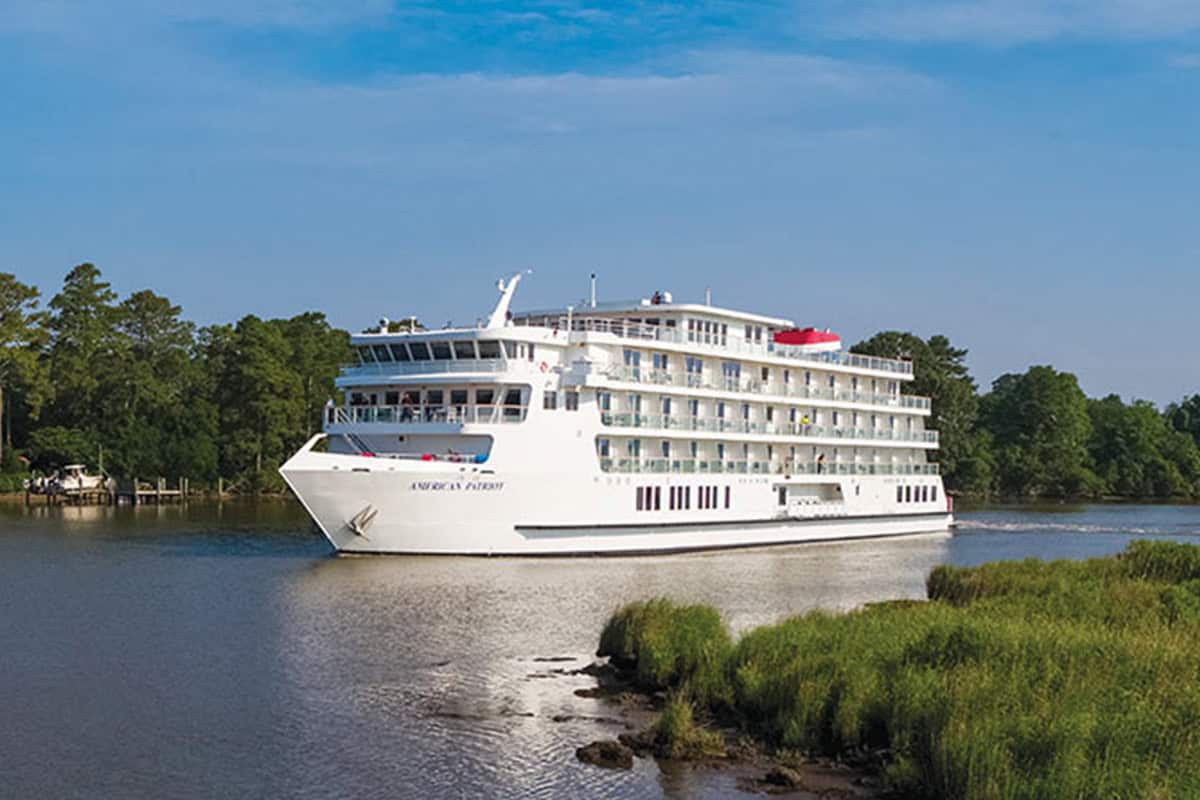
Great Lakes cruises are creating new opportunities for Thunder Bay tourism, attracting international visitors to Northern Ontario’s rugged landscapes and remote Lake Superior coastline. In 2026, the city welcomed four cruise ships for 10 visits, generating an estimated $1.2 million to $1.4 million in direct economic impact.
Why Are Great Lakes Cruises Attracting International Travellers?
Northern Ontario may be familiar to local residents, but its wilderness landscapes offer international visitors a distinctive travel experience. The Canadian Shield, Boreal Forest and rugged coastline of Lake Superior provide a setting that appeals to travellers seeking remote destinations without giving up the comforts of a luxury cruise.
Advertisement
Advertisement
Expedition cruises on the Great Lakes generally attract older, affluent passengers interested in smaller ports, natural scenery and experiences beyond traditional cruise itineraries. For visitors from the United States and other international markets, the region offers a chance to explore a part of Canada that remains less familiar than its major cities.
Paul Pepe, manager of Tourism Thunder Bay, described the North Shore of Lake Superior as an especially compelling destination because relatively few travellers experience its rugged coastline.
Advertisement
Advertisement
He highlighted the views around Silver Islet and Sleeping Giant Provincial Park, saying the landscape compares favourably with internationally recognised destinations.
The appeal of these cruises lies in the combination of remote scenery, smaller communities and comfortable accommodation aboard expedition vessels. Travellers can experience the natural environment while benefiting from organised excursions and services arranged at each port.
Advertisement
Advertisement
How Much Do Cruise Ships Contribute to Thunder Bay’s Economy?
Thunder Bay welcomed four cruise liners to Pool 6 Terminal at the Port of Thunder Bay in 2026, including Viking Octantis and Victory II. The vessels made a total of 10 visits during the year.
According to Pepe, the cruise activity generated an estimated $1.2 million to $1.4 million in direct economic impact for the city. Most passengers came from the United States, although Canadian and other international visitors also travelled through the port.
Advertisement
Advertisement
Cruise passengers can contribute to the local economy through spending on excursions, transport, dining, shopping and other visitor services. Crew members also create opportunities for local businesses when they go ashore during port calls.
The number of cruise visits was lower than in 2025, but Pepe attributed the change to the cyclical nature of cruise itineraries rather than weakening interest in the destination.
Cruise operators regularly adjust their routes to encourage repeat bookings and offer returning passengers different experiences. As a result, the number of visits can vary between seasons even when a destination remains part of longer-term expansion plans.
Tourism Thunder Bay is already discussing opportunities with cruise partners for 2030 and beyond, indicating that the city is working towards continued participation in the Great Lakes cruise market.
Advertisement
Advertisement
How Is Thunder Bay Preparing for More Cruise Tourism?
The City of Thunder Bay and Tourism Thunder Bay have worked with regional partners to make the destination easier for cruise companies to include in their itineraries.
In 2024, the City of Thunder Bay, the Thunder Bay Community Economic Development Commission and Embark Port Services joined other stakeholders to establish Cruise Port Thunder Bay. The partnership was created to coordinate services and improve the experience for cruise operators, passengers and crew.
For international cruise companies without local offices in Thunder Bay, reliable port partners are essential. Cruise operators need confidence that vessels can arrive, passengers can move safely and efficiently, and shore excursions can operate as planned.
Cruise Port Thunder Bay helps coordinate these requirements, including secure marine terminal arrangements, passenger access, port services and the development of new visitor experiences.
Practical facilities also contribute to the port’s appeal. A visitors’ centre at the dock and buses able to reach the gangway help simplify passenger transfers and excursions.
Pepe said the local team works to make both guests and crew members feel welcome, including by meeting visitors and speaking directly with cruise staff during port calls.
Advertisement
Advertisement
This coordinated approach is particularly important for Thunder Bay because it also operates as a turnaround port, where passengers may begin or end their cruise. Turnaround operations involve additional logistics, including passenger movements and arrangements for guests arriving or departing the city.
Why Are Smaller Expedition Ships Essential to Great Lakes Cruises?
The growth of Great Lakes cruising depends partly on the availability of vessels capable of navigating the region’s waterways.
Unlike some ocean cruise destinations, the Great Lakes are subject to physical restrictions imposed by the locks and infrastructure of the St Lawrence Seaway. Ships must meet relevant size requirements to pass through the system, limiting the vessels that can operate on these itineraries.
Smaller expedition ships carrying approximately 100 to 400 passengers are well suited to this environment. Built to meet St Lawrence Seaway requirements, these vessels allow cruise companies to offer luxury experiences while accessing destinations that cannot accommodate larger ships.
Viking Octantis is one example of an expedition vessel operating in the Great Lakes market. Its design reflects the practical requirements of cruising through the Seaway while serving travellers interested in nature, culture and smaller ports.
The availability of more suitable vessels gives cruise companies greater flexibility when planning routes and expanding their Great Lakes programmes. Additional ships can also support the development of itineraries connecting more communities across the region.
Advertisement
Advertisement
What Does the Future Hold for Great Lakes Cruise Tourism?
Pepe said the Great Lakes had experienced a strong cruise season, with figures increasing across the wider market. He expects the sector to continue developing as new vessels become available and more destinations participate.
Several new ships designed to comply with Seaway requirements are expected to enter service over the next four to five years, according to Pepe. Their arrival could provide cruise operators with more capacity to serve the region and develop additional itineraries.
For Thunder Bay, the opportunity extends beyond attracting more ship visits. The city’s ability to coordinate port services, support turnaround operations and create distinctive shore excursions will influence its appeal to cruise companies planning future seasons.
The region’s landscapes also provide a clear point of difference in a competitive cruise market. The Lake Superior coastline, Sleeping Giant Provincial Park and other natural attractions offer experiences that contrast with conventional large-ship itineraries.
Continued investment in visitor services and cooperation among local organisations could help Thunder Bay strengthen its role as a gateway to Northern Ontario. However, future growth will depend on cruise operators’ route decisions, vessel availability and demand for Great Lakes experiences.
Great Lakes cruises are bringing international visitors to Thunder Bay, where 10 ship visits in 2026 generated an estimated $1.2 million to $1.4 million in direct economic impact. New Seaway-compliant expedition ships, coordinated port services and Northern Ontario’s distinctive landscapes could support further growth in the region’s luxury cruise tourism market.
Advertisement
