
China Aligns With Other Countries In Boosting Thailand Tourism Recovery While Bangkok Leads Hotel Growth In 2026

Published
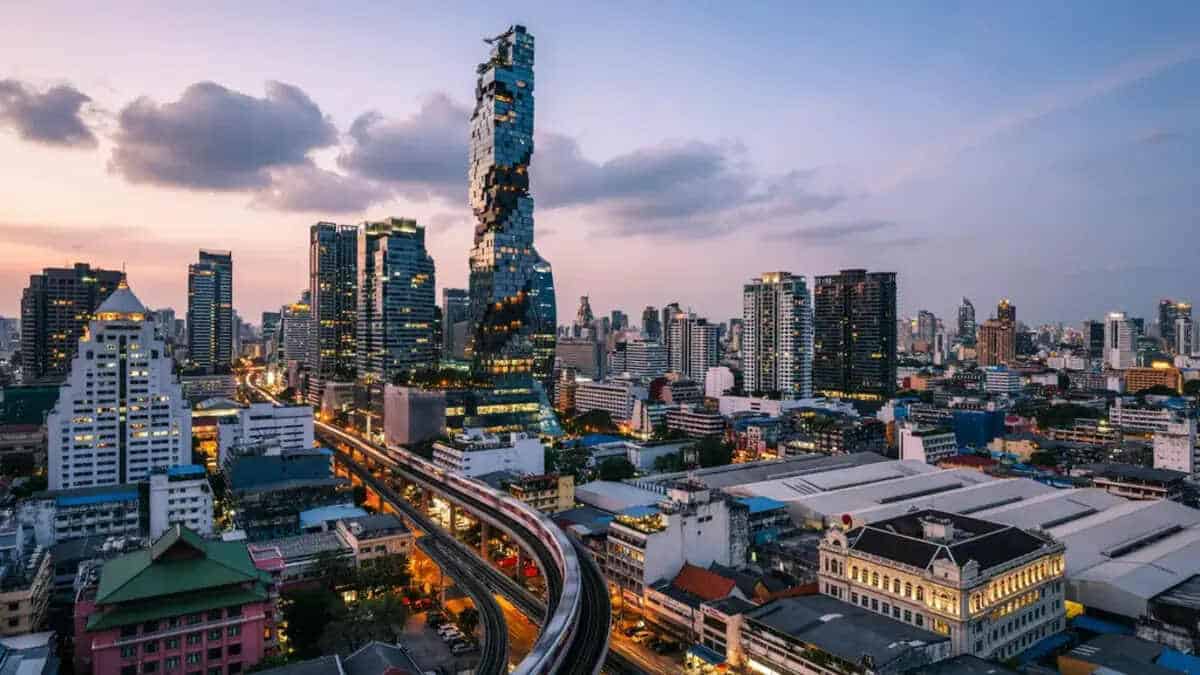
Image generated with Ai
China And Other Markets Boost Thailand Tourism Recovery As Bangkok Leads Hotel Growth In 2026 Thailand’s tourism recovery is entering a new phase in 2026 as changing visitor patterns, stronger regional demand and resilient hospitality performance reshape the country’s travel landscape. While overall international arrivals have faced pressure from weaker markets, rising demand from China, India and other important source countries is helping support Thailand’s tourism momentum. At the centre of this recovery story is Bangkok, where hotels are showing remarkable strength despite a challenging global travel environment.
The Thai capital has continued to attract leisure travellers, business visitors, domestic tourists and international guests, allowing its hospitality sector to maintain stability. Supported by diversified demand, controlled hotel supply growth and improving revenue performance, Bangkok is emerging as one of Asia’s most closely watched tourism and hotel markets in 2026.
China And Other Key Markets Strengthen Thailand’s Tourism Recovery Momentum
Thailand welcomed around 14 million international visitors during the year ending May 2026, recording a 2.3% year-on-year decline. However, the overall slowdown has been balanced by stronger performance from several important tourism markets. China and India have become key contributors to Thailand’s recovery, with arrivals from China increasing by 8% and visitors from India rising by 18%.
These growth patterns highlight a major shift in Thailand’s international tourism landscape. Instead of relying heavily on one market, the destination is increasingly benefiting from a wider mix of travellers from different regions. The expansion of Asian source markets is providing important support as some traditional markets experience slower recovery.
Advertisement
Advertisement
China remains a particularly important market for Thailand due to its large outbound travel base and strong connection with Southeast Asian destinations. At the same time, India has emerged as one of the fastest-growing markets, driven by increasing international travel demand, improved connectivity and strong interest in Thailand’s beaches, culture, shopping and lifestyle experiences.
Advertisement
Advertisement
Although gains from China and India have not completely compensated for weakness in some Middle Eastern markets, they are helping Thailand maintain its position as one of Southeast Asia’s leading tourism destinations.
Bangkok Creates A Strong Tourism Shield Through Diverse Visitor Demand
While Thailand’s national tourism figures have faced pressure, Bangkok has demonstrated stronger performance. The capital recorded tourism growth of 1.7%, supported by a significant increase in domestic travel activity.
Domestic arrivals to Bangkok increased by 3.4% to reach 12.7 million, creating an additional layer of demand for hotels, restaurants, shopping destinations and entertainment venues. International arrivals to Bangkok experienced a slight decline, reaching 10.5 million, but the city’s broad tourism ecosystem helped maintain overall stability.
Advertisement
Advertisement
Bangkok’s strength comes from its ability to attract multiple categories of travellers. The city is not dependent on only international holidaymakers. Demand is generated by business travellers, regional visitors, medical tourists, event participants, domestic explorers and short-stay leisure travellers.
This diversified visitor base has become increasingly valuable during periods of uncertainty. When one tourism segment slows, another segment can help support hotel occupancy and spending levels. This flexibility has allowed Bangkok to remain resilient even as wider international tourism conditions continue changing.
Advertisement
Advertisement
Bangkok Hotels Maintain Growth Despite International Travel Challenges
The performance of Bangkok’s hotel sector shows that weaker national arrival numbers do not automatically translate into weaker hospitality results. Hotel fundamentals have remained stable, with revenue performance showing positive signs during 2026.
Hotel revenue per available room, known as RevPAR, increased by 1% year-on-year through June 2026. This improvement was supported by stronger occupancy performance and indicates that hotels have been able to protect their earnings despite changes in international visitor flows.
RevPAR remains one of the most important measurements in the hospitality industry because it combines both room occupancy and room-rate performance. Growth in this area suggests that Bangkok hotels have maintained pricing strength while attracting sufficient demand.
The resilience of Bangkok’s hotel market reflects the city’s position as a major tourism gateway. The capital continues to benefit from its international airport connections, commercial importance, shopping environment, cultural attractions and growing reputation as a destination for premium experiences.
Limited Hotel Supply Growth Provides Breathing Space For Bangkok Properties
Another factor supporting Bangkok’s hotel performance is the limited addition of new hotel rooms in 2026. During the year to June, only 491 new rooms were added to the market.
Advertisement
Advertisement
The only major hotel opening recorded during this period was an upscale property featuring 405 rooms in the Sathorn area. Compared with previous years, the pace of hotel expansion has slowed significantly.
Historical supply trends show that Bangkok experienced much stronger hotel growth between 2022 and 2024, when annual additions exceeded 4,000 rooms. However, development activity reduced considerably in 2025 and continued at a slower pace during the first half of 2026.
This controlled supply environment has created favourable conditions for existing hotels. When large numbers of new rooms enter a market quickly, competition increases and pressure can be placed on occupancy rates and room prices. A slower development cycle allows established hotels to strengthen their position and capture available demand.
Upscale Hotels Set To Transform Bangkok’s Future Hospitality Landscape
Although new hotel openings have remained limited in the short term, Bangkok’s hospitality market is expected to experience major transformation in the coming years.
The existing hotel landscape is heavily concentrated in upscale and midscale categories, which together represent a large share of the city’s accommodation supply. However, future development is expected to focus strongly on upscale properties.
Advertisement
Advertisement
Between July 2026 and December 2030, upscale hotels are projected to represent 49% of upcoming room additions, contributing approximately 7,495 new rooms.
This growth reflects continued confidence from international hotel brands and developers in Bangkok’s long-term tourism potential. The city remains attractive because of its position as Thailand’s largest urban tourism destination and a major gateway for international travellers.
However, the arrival of thousands of new upscale rooms will increase competition. Hotels will need to focus more strongly on design, location, dining experiences, wellness facilities, personalised service and unique guest experiences.
Older properties may also need renovation programmes and repositioning strategies to compete with newer developments entering the market.
Thailand Revises 2026 Tourism Forecast As Travel Conditions Change
Despite continued tourism activity, Thailand has adjusted its expectations for international visitor arrivals in 2026. The forecast has been reduced from an earlier estimate of 36.7 million visitors to a range of 30 million to 34 million.
Advertisement
Advertisement
The revised outlook reflects several challenges, including global economic uncertainty and limitations in aviation capacity.
However, tourism revenue is expected to remain significant. Thailand’s tourism sector is projected to generate around THB 2.58 trillion in revenue during 2026, highlighting the importance of visitor spending rather than only focusing on arrival numbers.
For Bangkok hotels, the quality and spending power of visitors may become more important than total tourist volumes. Properties that successfully attract higher-value travellers and generate additional income through restaurants, meetings, wellness services and entertainment facilities could remain competitive.
Hotel Investment Remains Careful As Investors Monitor Market Conditions
Thailand’s hotel investment activity remained relatively quiet during the second quarter of 2026. Only one major hotel transaction was completed during the period, involving the sale of a 258-room Phuket property.
The limited investment activity reflects a cautious approach among investors. Market participants are closely monitoring tourism forecasts, financing conditions, asset values and future hotel supply before making major decisions.
Advertisement
Advertisement
However, Bangkok continues to attract attention because of its strong operational fundamentals. Hotels located in established areas with excellent transport connections and reliable demand sources are expected to remain attractive investment opportunities.
The city’s ability to maintain performance during uncertain conditions strengthens confidence in its long-term hospitality outlook.
Bangkok Emerges As Thailand’s Strongest Tourism And Hospitality Performer In 2026
Thailand’s tourism recovery in 2026 is being shaped by changing global travel patterns, stronger Asian markets and a more balanced visitor ecosystem. China, India and other international markets are helping strengthen demand, while Bangkok continues to demonstrate exceptional resilience.
The capital’s hotel market has benefited from domestic tourism growth, stable RevPAR performance, limited short-term supply increases and a diverse visitor base. These factors have helped Bangkok maintain momentum despite challenges affecting the wider tourism sector.
The future will bring increased competition as thousands of upscale hotel rooms enter the market. However, Bangkok’s established position as a global tourism hub, combined with its ability to attract different traveller segments, provides a strong foundation for continued growth.
Advertisement
Advertisement
China And Other Markets Boost Thailand Tourism Recovery As Bangkok Leads Hotel Growth In 2026.
As Thailand enters the second half of the year 2026, bangkok emerges as a prime tourist spot with high potential for recovery and growth in the hotel industry.
Advertisement
