
North Macedonia Leads Balkan Air Travel Surge as Regional Airports Welcome Nearly Eighteen Million Visitors: New Update

Published
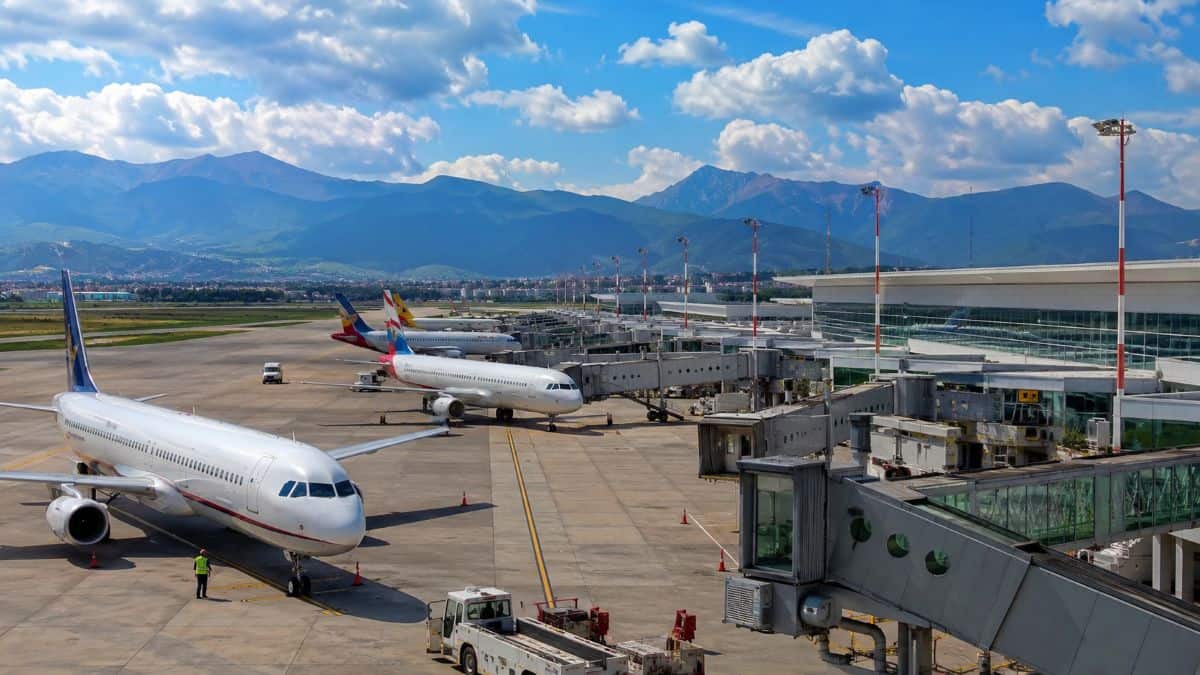
Image generated with Ai
Former Yugoslav aviation markets experienced rapid growth as air travel demand, new airlines, and access to Europe surged. Airports in 21 countries with commercial flights averaged 17.72 million passengers in the first half of 2026. This is a considerable increase in traffic compared to the first half of 2025. The growth of the former Yugoslavia regional aviation market is important for tourism, business travel, and the movement of people.
Summer demand, new services, and competitive offerings in the Balkans drove growth. Many of the larger airports serviced more passengers than ever, but North Macedonia had the fastest growing passenger count in the Balkans. Low-cost carriers increased the airports access to Europe and spurred demand. Aviation analysts expect that tourism growth and airline investment will continue through the rest of the year as it has.
North Macedonia Records the Strongest Passenger Growth
North Macedonia had the fastest growing former Yugoslav aviation market in the first half of 2026. From the first half of 2025 to the first half of 2026, there were over 426,000 more passengers in North Macedonia.
Skopje Airport was the prime example in this study. During the six-month period, Skopje Airport welcomed more than 407,000 additional travelers, making Skopje Airport the fastest growing Airport in the region. During the month of June in that year, over 341,000 passengers traveled through Skopje Airport, a double-digit year-on-year increase.
Advertisement
Advertisement
This growth was due to the expanded operations of Wizz Air. Wizz Air has been strengthening their presence in North Macedonia with new routes, and more capacity on flights. With new routes and more flights, Wizz Air improved connectivity to potential tourists in Europe and to North Macedonians wishing to travel and explore Europe.
Advertisement
Advertisement
The positive developments in North Macedonia have been bolstered by the growth of Ohrid Airport. Also, in July of this year, Ohrid Airport achieved a new milestone and recorded the busiest day in its operations, having accommodated over 3000 passengers with 20 flights. This shows the growth of Ohrid as a leisure destination, and the growth of Regional Airports and their importance in tourism and leisure travel.
Belgrade Continues to be the Largest Airport in the Region
In the first half of 2026, Belgrade Airport was the busiest Airport in the Former Yugoslavia. Belgrade added over 283,000 passengers in that year and was the main Airport connecting Southeast Europe to the International market in the outgoing direction.
With strong demand for both Short and Longhaul travel, the Airport has benefited from growing Airline Partnerships, increased frequencies and sustained business travel. For tourism, trade and business travel, Belgrade continues to be one of the most important Airports and city in the Region.
Advertisement
Advertisement
Airport industry experts expect that more high demand airline routes will lead to crowded airports in Belgrade throughout the summer months of 2024.
Podgorica Breaks Record
Podgorica Airport in Montenegro had one of the best months in recording history. For June, the number of departing and arriving flight passengers totaled more than 281,000, making it the most crowded month ever for the airport.
Advertisement
Advertisement
In a record breaking sign, increased passengers fell almost 45% when compared to travel in the same month in 2025. A primary factor for this rapid growth came from Wizz Air expanding travel options after the low-cost airline founded a two-aircraft base in Podgorica earlier this year.
Wizz Air now connects Podgorica to two dozen cities in the summer travel season. As a result, significant travel options to Europe were made available to Montengro citizens and international visitors, enhancing tourism in the region.
Montenegro’s Adriatic resorts have been attracting an increasing amounts of European tourism, easily drawing travelers to the coasts and cultural sites.
Croatia’s Challenges and Opportunities
There are positive signs in the growth of Croatia’s aviation industry despite disruptions to domestic travel. The suspension of some flight services created a breaking of travel connections.
Interruption to the domestic service contract caused delays, but the reestablishment of services to larger airports restored connections to smaller regional airports.
Advertisement
Advertisement
Most major Croatian airports were mostly unaffected by the situation afterwards. Zagreb, Split, and Dubrovnik posted their busiest openings to a year. Continued growth in passenger demand at these airports was driven by strong international demand, especially from the European leisure market.
Results show that Croatia continues to hold strong as a popular tourist choice in the Mediterranean. Increased demand for tourists and increased airline capacity has led to increased growth of airport traffic in Croatia.
Pristina is experiencing a rare market contraction
While almost all airports in the former Yugoslav region were growing, Pristina Airport was a major exception. It was the only major airport in the region to report a decrease in traffic.
June passenger traffic was down five percent from last year. This decline is associated with the decrease of frequency of certain airlines and the loss of other airlines’ seasonal flights compared to other summer seasons.
Despite this Pristina is a primary aviation market for the people of Kosovo. It serves an important function and maintains good connections to many key European cities. Pristina will again become a focal airport for market watchers to see which European airlines will first end the market contraction.
Advertisement
Advertisement
A favorable aviation market in the former Yugoslav region
The first half of the year showed that the former Yugoslav region’s aviation market continues to grow. More than 17.7 million passengers used the region’s airports.
The tourism boom, continued expansion of low-cost carriers, and additional international connections will drive growth through 2026. North Macedonia, Montenegro, and Croatia will likely see further passenger growth as the regional airlines increase their coverage across the Balkans.
More excellent news for regional tourism and air travel, several regional airports have achieved record numbers and with even more traffic expected over the summer.
FAQs
Which country had the fastest growing airport passengers in former Yugoslavia in H1 2026?
North Macedonia led the way with an additional 426,000 passengers on the previous year.
Advertisement
Advertisement
Which airport was the fastest growing ina the region?
Skopje Airport was the fastest growing in the region with an increase of 407,000 in the first 6 months of 2026.
How many passengers did former Yugoslavia handle in H1 2026?
The 21 airports in the region had a total of approximately 17.7 million passengers.
Which was the busiest airport in the region?
Advertisement
Advertisement
Belgrade Airport was the busiest in the former Yugoslav region.
What drove growth at Skopje Airport?
The growth at Skopje Airport was driven by the expansion of Wizz Air and greater route coverage.
What was the busiest day in history for Ohrid Airport?
Ohrid Airport handled more than 3,000 passengers on 20 flights which was the busiest day in their history.
Advertisement
Advertisement
What caused the record traffic at Podgorica Airport?
The traffic at Podgorica Airport was caused by the expansion of Wizz Air as a base and greater coverage of routes.
Which airport saw a fall in passenger traffic?
Pristina Airport was the only major airport in these areas to experience a fall.
What was the traffic level for Croatian airports in the first half of 2026?
Advertisement
Advertisement
Zagreb, Split and Dubrovnik recorded their busiest first half-year results ever.
What is the forecast for Balkan aviation for the rest of 2026?
The forecast remains good based on high levels of tourism, further airline development and enhanced regional connections.
Advertisement
