
Africa’s Wildlife Conservation Enters a New Chapter as Malawi’s Majete Pioneers a Model Now Reaching Three More National Parks Covering 1.37 Million Hectares

Updated
Published
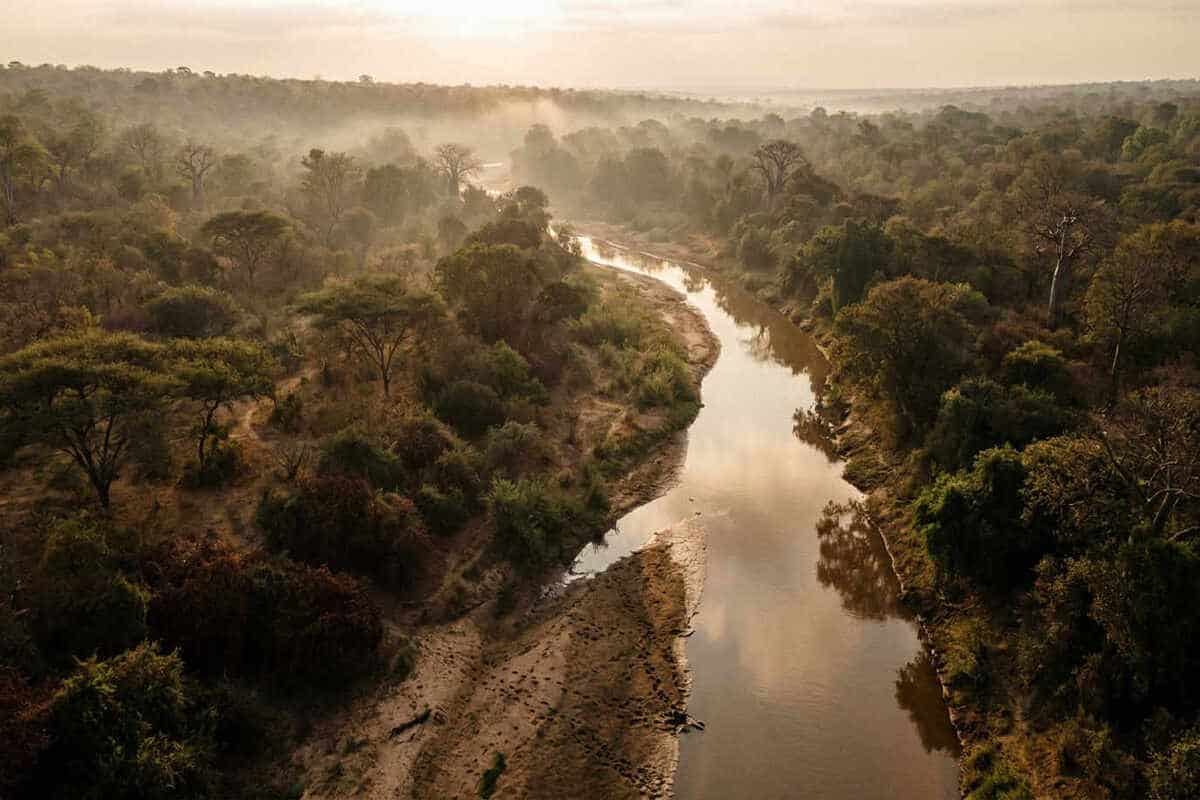 Image generated with Ai
Africa’s nature model now spans 1.37 million hectares to assess ecosystem health and secure funding. Malawi’s Majete Wildlife Reserve has become the starting point for a conservation model designed to measure ecosystem health and connect verified results with long-term funding. Developed by African Parks and The Landbanking Group, the Verifiable Nature Unit, or VNU, assesses whether natural landscapes are being maintained or improved over time.
The initiative builds on more than two decades of restoration at Majete, where African Parks began working with the Malawian government in 2003. Following the initial pilot, the approach expanded into three additional African national parks covering a combined 1.37 million hectares.
Majete Provides the Foundation
Located in south-western Malawi, Majete was the first reserve for which African Parks secured a management mandate. Its restoration involved rebuilding wildlife populations, improving infrastructure and working with neighbouring communities.
More than 3,000 animals across 17 species were reintroduced over the following two decades. Rhino reintroductions started in 2003, followed by elephants in 2006 and lions in 2012.
Advertisement
Advertisement
The programme continued with giraffes in 2018, cheetahs in 2019 and African wild dogs in 2021. These successive introductions formed part of a sustained effort to restore species depleted from the reserve.
That extended management history made Majete the first testing ground for the VNU framework. Rather than assessing a landscape without an established conservation record, the pilot drew on a reserve shaped by years of restoration and monitoring.
Advertisement
Advertisement
Measuring Ecological Health Over Time
The VNU framework places ecosystem condition at the centre of conservation measurement. Each unit represents one square kilometre of land where ecological integrity has been maintained or improved during a defined period.
This approach distinguishes the size of a protected area from the condition of the habitat within it. Designating land for conservation establishes a boundary, while the VNU assessment examines whether the natural systems inside that boundary remain intact or show improvement.
Majete’s first pilot issued 711 VNUs in 2024. Those units were reissued in 2025, reflecting the framework’s repeated assessment process rather than a separate expansion of the reserve.
The annual assessment is intended to provide a continuing record of ecological outcomes. It does not treat the first issuance as permanent evidence that a landscape will remain healthy.
Habitat and Wildlife Shape Assessments
Two principal indicators underpin the annual evaluation: habitat intactness and indicator species.
Habitat intactness measures changes associated with pressures including expanding settlements, deforestation and the conversion of natural land to agriculture. Tracking these changes helps assess whether habitat is being retained or degraded.
Advertisement
Advertisement
Indicator species provide another measure of ecosystem condition. Their presence and abundance are monitored to help evaluate the wider health of the landscape.
Together, these indicators bring habitat condition and wildlife monitoring into the same assessment framework. The objective is to establish whether ecological integrity has been maintained or improved, rather than simply record the completion of management activities.
The system combines observation, machine learning, independent third-party verification and digital infrastructure for issuing and reporting units. Verification is central to its proposed role in conservation funding.
Expansion Reaches Three Additional Parks
After the Malawi pilot, African Parks extended testing to Odzala-Kokoua National Park in the Republic of the Congo, Garamba National Park in the Democratic Republic of the Congo and Zakouma National Park in Chad.
VNUs issued for these three parks in 2025 and again in 2026 cover 1.37 million hectares, equivalent to 13,700 square kilometres.
This combined area relates to the three additional parks, rather than Majete itself. The expansion takes the methodology beyond its original testing ground and into larger landscapes with different ecological characteristics.
Advertisement
Advertisement
Applying the framework across these settings broadens the pilot programme while retaining its central requirement: evidence that ecosystem integrity has been maintained or improved over the assessment period.
Verified Outcomes Are Not Automatically Credits
A VNU is not itself a biodiversity credit. It is an independently verified measurement of ecosystem integrity that can support different approaches to financing conservation.
Potential applications include outcomes-based grants, nature or biodiversity credits, nature-linked financial instruments and payments for ecosystem services.
The distinction matters because measuring a conservation outcome and creating a tradeable financial product are separate processes. Verification provides evidence of ecological condition; the funding arrangement determines how that evidence is used.
During the pilot phase, VNUs are being applied through bilateral agreements with funders rather than traded as market units. The programme therefore remains focused on testing how verified outcomes can operate within specific funding relationships.
Community Landscapes Form the Next Stage
African Parks plans to extend the methodology into community-managed landscapes surrounding the pilot parks. This proposed phase would examine conservation outcomes beyond formally protected boundaries.
Advertisement
Advertisement
The organisation intends to test whether verified ecological results can support community development and create incentives to protect neighbouring natural areas.
That work remains a planned extension, distinct from the units already issued for the existing pilots. Its purpose is to explore whether the framework can connect conservation performance with support for communities managing surrounding landscapes.
Majete now occupies two positions in the programme: a reserve with a long restoration history and the original proving ground for an outcomes-based measurement system.
The wider programme seeks to give funders a consistent basis for assessing ongoing conservation performance across different landscapes. By linking support to measured ecological outcomes, African Parks aims to strengthen the foundations of reliable long-term funding while testing how the same approach could benefit community-managed areas beyond national parks.
Advertisement
