
India Tightens Digital Immigration Rules Ahead of Big Travel Season

Updated
Published
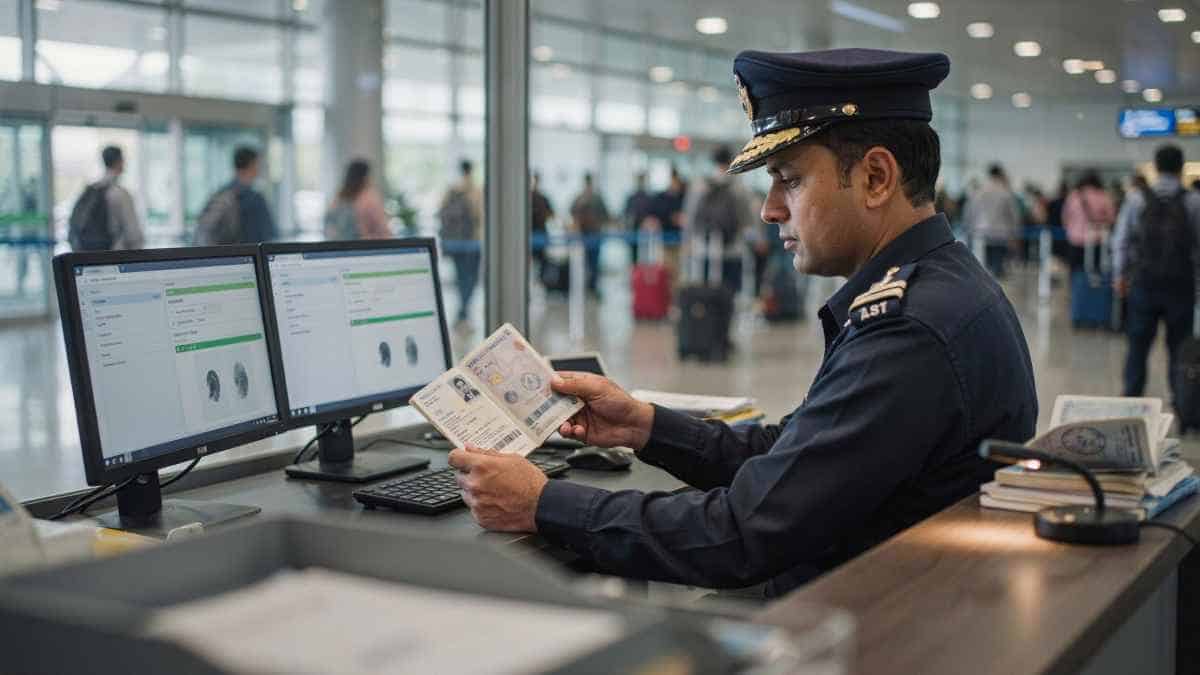
Image generated with Ai
The immigration process in India is now becoming more and more digitalised, as foreign nationals will need to meet visa conditions, registration requirements and electronic arrival procedures when they enter the country and reside here. However, there have been claims recently about an upcoming regulation from late 2026 which will abolish the existing 14-day grace period after 180 days and will oblige all foreign nationals to register prior to exceeding the period of 180 days. Such claims are, nevertheless, not backed up by the existing Indian visa regulations on the official website of the Government of India’s e-Visa service. According to the website, some foreign nationals who want to stay in the country for more than 180 days should register with the appropriate Foreigners Regional Registration Officer or Foreigners Registration Officer within two weeks after the expiration of 180 days.
The 180-Day Rule Depends on the Visa
There is no single 180-day rule that applies identically to every foreign visitor entering India.
Advertisement
Advertisement
Visa conditions depend on the category, nationality, duration and terms attached to the visa.
For example, India’s official e-Visa information states that one-year and five-year e-Tourist Visas permit multiple entries, but the maximum stay in India during one calendar year should not exceed 180 days.
Advertisement
Advertisement
The e-Business Visa permits multiple entries over its validity period, but each continuous stay cannot exceed 180 days.
For an e-Business Visa holder who intends to remain beyond that period, the government currently instructs the person to register with the FRRO or FRO concerned within two weeks after the 180 days.
Advertisement
Advertisement
This is why travellers should not treat “180 days” as a universal expiry date applying to every Indian visa.
FRRO Registration Remains Important
The FRRO system remains an important part of India’s immigration administration for foreign nationals who fall under registration requirements.
Advertisement
Advertisement
Registration can apply to people holding particular long-duration visas or staying in India beyond prescribed periods.
The process has increasingly moved online, allowing eligible foreign nationals to interact with immigration authorities without relying entirely on physical visits.
For travellers, the important point is that visa validity and permitted duration of stay are not necessarily the same thing.
A visa may remain valid for a particular period while the conditions attached to each stay impose a shorter limit.
Advertisement
Advertisement
Foreign nationals planning extended residence should therefore check the specific conditions printed or electronically attached to their visa rather than assuming that a multi-entry or long-validity visa automatically permits continuous residence for its entire validity.
India’s e-Arrival Card Is Already Part of the System
Another major development is India’s electronic arrival process.
The official Indian visa portal currently states that foreigners and OCI cardholders can complete and submit the e-Arrival Card online within 72 hours before arriving in India.
The form can be accessed through the Bureau of Immigration website, the Indian Visa Online website or the official Indian Visa Su-Swagatam mobile application.
Importantly, the government describes the e-Arrival Card as arrival information and not a visa.
Travellers therefore still need the appropriate visa, OCI status or other valid immigration permission required for their circumstances.
Advertisement
Advertisement
The electronic arrival process is intended to provide immigration authorities with passenger information before arrival and should not be confused with permission to enter India.
Digital Processing Is Changing International Arrivals
India’s immigration infrastructure has been moving steadily towards digital processing.
The country’s e-Visa system already allows eligible travellers to complete applications online, receive an Electronic Travel Authorisation and present the relevant documentation at an immigration checkpoint.
Biometric information is also captured at immigration for e-Visa travellers, according to the official government guidance.
The shift is significant for international tourism because India receives visitors across a wide range of travel categories, including leisure, business, medical, education, employment and family visits.
Digital procedures can make these processes easier to manage, but they also place greater responsibility on travellers to understand their specific immigration obligations before arrival.
Advertisement
Advertisement
Travellers Should Not Confuse Visa Validity With Stay Limits
One of the most important practical issues for foreign visitors is understanding the difference between visa validity, permitted stay and registration requirements.
A five-year tourist visa, for example, does not mean that a traveller can remain continuously in India for five years.
The official e-Visa guidance states that the one-year and five-year e-Tourist Visa categories have a maximum stay of 180 days during a calendar year.
Similarly, an e-Business Visa has a one-year validity period but limits continuous stays to 180 days.
Travellers intending to remain longer must follow the relevant registration procedure rather than simply allowing their permitted stay to expire.
What Extended-Stay Visitors Should Do
Foreign nationals planning a lengthy stay should check their exact visa category, permitted duration and registration conditions before travelling. Those approaching a registration threshold should use the official FRRO/FRO channels and follow the instructions applicable to their visa. They should also complete the e-Arrival Card within the permitted window where required and ensure that their passport, visa and other travel documents remain valid. Most importantly, travellers should not rely on social-media posts or unofficial travel websites claiming that India has suddenly abolished the existing 14-day post-180-day registration provision unless the change is confirmed by the Government of India. As of the latest official information reviewed, the 14-day registration provision remains stated in India’s e-Visa guidance for applicable cases, while the e-Arrival Card continues to form part of the country’s increasingly digital arrival process.
Advertisement
