

EU-Qatar Aviation Agreement in Danger: A Threat to Europe’s Air Connectivity and Tourism Growth
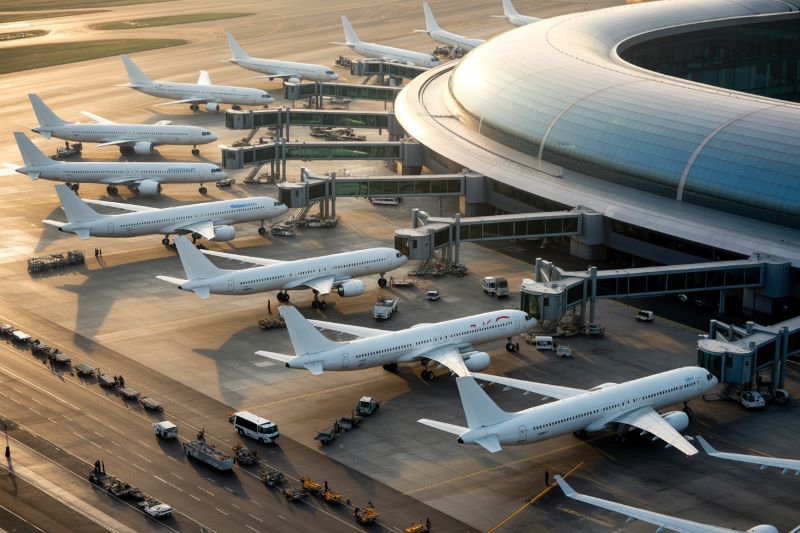 Image generated with Ai
In a move that could significantly disrupt air travel, European airports are raising alarms over recent calls to suspend the EU-Qatar Comprehensive Aviation Agreement. The agreement, which was negotiated by the European Commission, is a crucial framework that connects Europe to one of the world’s fastest-growing aviation markets. If the agreement is suspended, it could cause irreversible damage to air connectivity and the tourism industry across Europe.
The EU-Qatar agreement, negotiated to ensure unrestricted market access and regulatory convergence, has long been seen as a cornerstone for maintaining open and competitive skies. However, growing concerns about Qatar Airways’ influence in Europe have led to increasing pressure from certain European sectors to review or suspend the deal.
Advertisement
Advertisement
EU-Qatar Agreement: A Vital Pillar for Air Connectivity
The EU-Qatar aviation agreement, first crafted at the request of EU Member States and endorsed by them, has played a pivotal role in enhancing connectivity between Europe and Qatar. Under this agreement, Qatar Airways has been able to operate a broad network of flights across Europe, connecting major cities such as London, Paris, and Frankfurt to Doha, one of the world’s busiest and most strategic airports.
Advertisement
Advertisement
The agreement was designed to align with the EU’s External Aviation Policy, focusing on market liberalization, improved service, and consumer choice. This framework has also been beneficial to businesses and communities throughout Europe, opening up new markets, improving air transport, and increasing access to international destinations.
A Crucial Benefit for European Tourism
Advertisement
Advertisement
For the tourism industry, the EU-Qatar agreement has been a game-changer. The direct flight connections between Europe and the Middle East not only promote business travel but also facilitate tourism. With Qatar Airways, one of the world’s most acclaimed airlines, offering access to global travel routes, European destinations have seen a significant uptick in international visitors. Cities such as Barcelona, Berlin, and Milan, which depend heavily on international tourism, could face significant declines in foot traffic if the air connectivity is threatened.
Tourism in Europe benefits immensely from the partnership, as many European destinations rely on airlines like Qatar Airways to draw in tourists from all over the globe. Without the access guaranteed by the EU-Qatar agreement, many cities might struggle to attract international visitors, resulting in financial losses and an economic slowdown, particularly in areas heavily reliant on tourism.
Concerns About Market Dominance: A Misconception
Critics of the agreement argue that Qatar Airways’ growth in Europe has led to an unfair market dominance. However, there is little evidence to support this claim. Qatar Airways has not aggressively expanded its operations in Europe in recent years. In fact, for the IATA Winter season from October 2025 to March 2026, Qatar Airways’ seat capacity in Europe is still 10% lower than its pre-pandemic levels in 2019. The airline is not significantly altering its market position, making the calls for suspension of the agreement seem unjustified.
Moreover, the EU-Qatar agreement ensures that all parties—European airports, airlines, and consumers—benefit from increased competition and better choices in air travel. Qatar Airways’ operations have contributed positively to the broader market by promoting competition, which, in turn, has encouraged European carriers to improve their service and pricing strategies.
A Loss for European Airports and Local Economies
Advertisement
Advertisement
Suspending the EU-Qatar agreement would have significant repercussions not only for the tourism industry but also for local economies. European airports, many of which depend on international carriers like Qatar Airways to fill their flights, could see reduced foot traffic and fewer flight options, leading to decreased revenue.
Airports in cities such as Amsterdam, London, and Munich, which enjoy strong connectivity to Doha and beyond, would be directly impacted. These airports contribute significantly to the local economy through tourism, retail, and services. A suspension of the agreement would result in fewer flight options, decreased competition, and less attractive travel options for both business and leisure travelers.
The Path Forward: Protecting Connectivity for Europe’s Future
The future of European air connectivity depends on maintaining open skies agreements like the one with Qatar. European airports and tourism officials are calling on EU policymakers to preserve the agreement, warning that any disruption could cause long-term harm to the tourism and aviation sectors.
The EU-Qatar agreement is not only a vital framework for air travel; it is also a symbol of Europe’s commitment to maintaining a global, open market for aviation. If the agreement were to be suspended, the damage to Europe’s tourism sector, economy, and global standing would be substantial. To ensure that Europe’s air connectivity remains strong and its tourism industry continues to thrive, EU policymakers must prioritize maintaining and strengthening this crucial partnership with Qatar.
A Critical Time for Europe’s Aviation and Tourism Industries
Advertisement
Advertisement
The EU-Qatar Comprehensive Aviation Agreement has been a key driver of Europe’s global air connectivity, benefiting not only the airline industry but also businesses and tourism sectors. While there are concerns about market dominance, evidence does not support claims that Qatar Airways has gained unfair control over the European market. If the agreement is suspended, it could lead to a loss of connectivity, reduced tourism, and significant economic setbacks for Europe’s airports and local economies.
Europe’s air travel and tourism industries must continue to work together to safeguard agreements that support open skies, increase competition, and drive economic growth. The time has come for EU leaders to ensure the future of European tourism and air travel by protecting the agreements that make these industries thrive.
Advertisement
