

India Teams Up with France And More Enhancing Heritage Tourism Across Global Corridors

Updated
Published
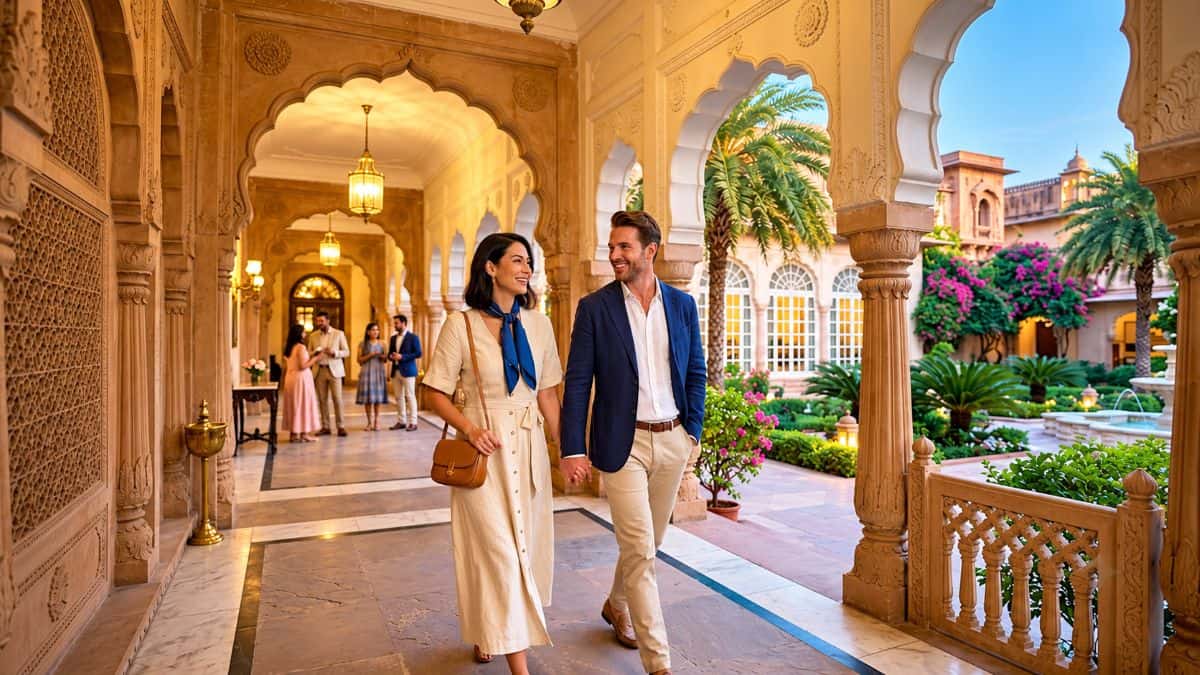
Cross-border cultural diplomacy has entered a transformative era as India accelerates bilateral collaborations to establish interconnected heritage circuits across continents. Through structured intergovernmental frameworks, India has partnered with France, alongside Italy, Japan, and the United Kingdom, to bridge iconic monumental itineraries with modern visitor infrastructure. This joint movement addresses the expanding demand for immersive historical exploration while embedding rigorous conservation standards into daily site management. Veteran industry observers note that international leisure movements have decisively shifted from hurried bucket-list sightseeing toward intellectually engaging, sustainable discovery. By aligning preservation science, high-speed rail links, and digitised archival storytelling, these nations are constructing unified routes that allow discerning voyagers to encounter historic architecture within authentic, contextually rich environments.
The architectural synergies between India and France serve as the natural cornerstone for this global endeavour. From the neoclassical colonial vistas of Puducherry to the intricate Indo-Saracenic palaces of Rajasthan, reciprocal investments are revitalising shared urban identities. French heritage curators and Indian conservators are pooling regional technical expertise to restore stone facades, standardise multi-lingual interpretation panels, and implement biometric border processing for culture-focused travellers. Furthermore, the inclusion of broader European and Asian partners expands these benefits into a contiguous itinerary network, connecting classical Mediterranean landmarks with ancient South Asian archaeological sanctuaries. The resulting international corridor creates a streamlined platform where academic integrity, community-led stewardship, and refined travel hospitality converge into a single, cohesive travel proposition.
Strategic Realignment of Transnational Cultural Journeys
The formal integration of bilateral travel programmes represents a shift from commercial volume metrics to high-value cultural stewardship. International travellers increasingly demand journeys that illuminate historical dialogues between civilisations rather than isolated attractions. In response, national tourism authorities have mapped integrated passages connecting the fortified bastions of northern India with European riverine capitals and Japanese ancient temple networks. This operational framework allows joint funding allocations for architectural restoration while supporting hospitality training programmes that respect indigenous culinary and craft customs.
By integrating regional transit authorities, this alliance minimises friction points across long-distance expeditions. High-speed rail corridors, dedicated regional air links, and harmonised cross-border cultural passes provide globetrotters with uninterrupted passage between major historic capitals and rural heritage enclaves. Curatorial oversight ensures sensitive archaeological landscapes do not succumb to overtourism, employing digital capacity-tracking software to distribute visitor density throughout daylight hours.
Advertisement
Advertisement
| Corridor Partner | Flagship Heritage Focus | Key Infrastructure Integration | Primary Conservation Target |
|---|---|---|---|
| France | Franco-Indian Architectural Enclaves | High-Speed Rail and Dedicated Regional Shuttles | Stone Monument Stabilisation and Digital Archives |
| Italy | Classical Urban Excavation Links | Eco-Friendly Transit and Electric Waterways | Marble Preservation and Atmospheric Monitoring |
| Japan | Ancient Buddhist Pilgrim Paths | Autonomous Electric Rail Systems | Timber Structure Fireproofing and Seismic Defence |
| United Kingdom | Industrial Maritime and Literary Trails | Integrated Heritage Multi-Transit Cards | Masonry Desalination and Archive Modernisation |
Standardising Architectural Stewardship and Curatorial Rigour
Preserving architectural integrity across divergent geological environments requires technical alignment among lead conservationists. Indian stone-carving traditions are collaborating with European lime-mortar specialists to revive historic restoration methodologies at fragile monumental properties. These cooperative interventions protect original building fabric from invasive contemporary alterations while subtly integrating discreet safety systems. Specialised technical panels periodically assess wear patterns, soil salinity, and atmospheric deterioration to safeguard delicate structural components.
This scientific discipline directly influences the traveller experience on site. Interpretive museum galleries, immersive acoustic tours, and multilingual cataloguing replace generic informational plaques, delivering authenticated historical narratives vetted by university academics. Cultural explorers gain granular insights into structural engineering, dynastic patronages, and historical trade routes without intrusive modern barriers obscuring the aesthetic character of ancient stone, wood, and plaster.
Advertisement
Advertisement
Enhancing Visitor Mobility and Borderless Transit Architecture
Streamlined border logistics remain essential to sustaining cross-continental heritage exploration. Participating nations have expanded electronic travel authorisations specifically tailored for historical and academic study, reducing diplomatic processing periods for bona fide culture tourists. Biometric validation gates deployed across international transit hubs allow multi-destination adventurers to clear immigration controls efficiently, leaving ample time to experience historic districts without administrative bottlenecks.
Concurrently, overland mobility networks are undergoing systemic environmental modernisations. Electric shuttle lines, low-emission rural railways, and pedestrianised monumental precincts protect ancient districts from airborne particulates and vibrational damage. Historic urban centres now offer interconnected walking corridors lined with indigenous greenery, allowing travellers to traverse living museums safely, comfortably, and entirely free from vehicular interference.
Advertisement
Advertisement
Empowering Indigenous Guilds and Regenerative Local Economies
Sustainable travel infrastructure must enrich the communities dwelling alongside historic monuments. Under this multi-nation arrangement, traditional artisans receive sustained financial support through regulated cooperative workshops located within adjacent heritage villages. Weavers, stone masons, metallurgists, and folk artists obtain immediate access to visiting scholars and discerning travellers, cutting out commercial intermediaries and preserving centuries-old creative lineages.
Culinary traditions receive identical institutional safeguards. Regional culinary institutions collaborate with international gastronomic bodies to source native ingredients, reviving ancestral recipes and presenting regional farm-to-table delicacies across associated boutique heritage accommodations. Consequently, visitor expenditure flows directly into community welfare, funding village water systems, craft apprentice guilds, and youth educational initiatives that ensure future generations value their architectural and artisanal heritage.
The Future Trajectory of Immersive Historical Exploration
Looking toward the coming decade, this multinational alliance provides an enduring framework for responsible, knowledge-driven exploration. By anchoring national tourism policies in meticulous academic scholarship, progressive climate consciousness, and local community prosperity, India and its partner nations are demonstrating that cultural travel can protect fragile traditions while fulfilling contemporary desires for genuine discovery. Discerning voyagers can now traverse global civilisations with the certainty that their presence bolsters local crafts, preserves ancient stones, and deepens intercultural understanding.
FAQs
What is the primary objective of this multinational tourism initiative? The initiative aims to link renowned heritage routes between India, France, and international partners, establishing sustainable, academically rigorous cultural circuits supported by advanced transit infrastructure.
Advertisement
Advertisement
How does this framework support historic monument preservation? Participating nations exchange scientific restoration techniques, deploy atmospheric sensors, and implement smart capacity management software to protect fragile stone, wood, and plaster from physical degradation.
Which countries are actively collaborating on these heritage circuits? The primary partnership centres on India and France, with integrated heritage corridors and technical collaboration expanding alongside Italy, Japan, and the United Kingdom.
How does the project simplify travel logistics for long-distance visitors? It provides streamlined electronic travel authorisations, multi-destination transit passes, and coordinated rail links that significantly reduce travel friction across partner nations.
What measures protect historic sites from the harms of overtourism? Digital visitor management platforms monitor pedestrian volumes in real time, distributing visitors across alternate daytime hours and lesser-known regional heritage monuments.
How do local craft communities benefit directly from the alliance? Community-run artisan cooperatives situated inside monument buffer zones allow local craftsmen to sell directly to cultural travellers, safeguarding indigenous techniques and livelihoods.
What role does environmental sustainability play across the corridors? The program prioritises electric transit networks, pedestrian-only heritage zones, and strict emission regulations to protect historical urban centres from airborne pollutants and vibrations.
Advertisement
Advertisement
Can regular independent travellers access these cultural routes? Yes, the mapped corridors, transit passes, and academic digital guides are fully available to independent travellers seeking detailed, self-paced historical exploration.
How are indigenous culinary traditions incorporated into the routes? Boutique heritage accommodations and regional institutions actively source hyper-local ingredients, preserving ancient culinary practices and directly sustaining regional agricultural systems.
Where can visitors review verified historical accounts of each monument? Multilingual interpretive visitor centres, accredited digital catalogues, and institutionally verified acoustic applications provide validated historical records across every partner destination.
Advertisement
