
New York Stands With Orlando and More as USA Christmas Travel Rethinks Accessibility for Disabled Guests 2026

Published
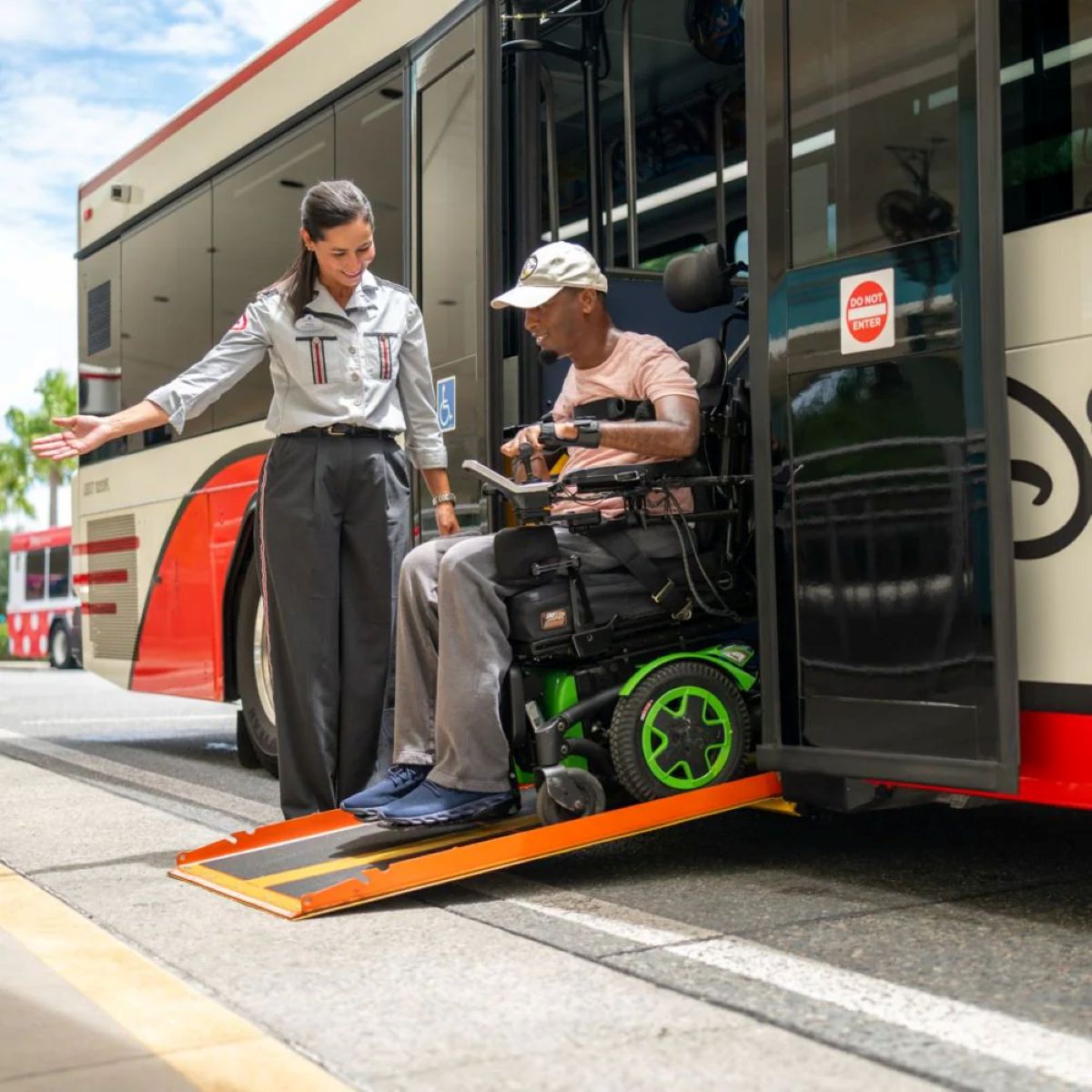
image credit: disneyworld
Christmas travel in the United States is growing into a major test of access. Millions of people plan trips for lights, markets, parades, food and family fun. Yet a bright Christmas display does not always mean an easy visit for everyone. A traveller may use a wheelchair. Another may need a quiet place away from loud music. Some visitors may need clear signs, step-free routes, accessible toilets or help with hearing and vision.
This is why accessible Christmas travel matters. It is not just about a ramp at the entrance. It is about the whole journey. Can a visitor reach the event? Can they move through crowds? Can they find a toilet? Can they see a show? Can they return safely to their hotel after dark?
Five US destinations offer a clear picture of both progress and gaps. Pigeon Forge, Asheville, Chicago, New York City and Orlando each have major festive appeal. Some publish helpful access details. Others still leave travellers searching for basic information before they book.
Pigeon Forge Brings Christmas to the Smoky Mountains
Pigeon Forge in Tennessee is one of the strongest Christmas travel stories for 2026. Dollywood’s Smoky Mountain Christmas will run from 6 November 2026 to 3 January 2027. The festival brings lights, rides, music, food and family entertainment to the Smoky Mountains.
Dollywood has a dedicated service for guests with disabilities. It also gives visitors access planning information before they arrive. This is important because Christmas crowds can make travel harder. A park may have accessible paths, but a visitor still needs to know about parking, ride transfers, show seating and the distance between attractions.
The key question is simple. Can people enjoy the whole Christmas experience, not only enter the park? A guest using a wheelchair may need to rent a mobility device. A family may need an accessible shuttle. A visitor with sensory needs may need a quieter place during a busy show or parade.
Pigeon Forge can become a strong example of how a major holiday destination helps visitors plan ahead. But the real test comes when the park is full, the evening is cold and thousands of people are moving towards the same light displays.
Asheville Offers a Clearer Path for Light Trail Visitors
Asheville in North Carolina offers another strong example. Winter Lights at the North Carolina Arboretum will run from 13 November 2026 to 3 January 2027. The event is a walk-through experience with more than one million lights across the gardens.
The Arboretum stands out because it gives useful practical information. It lists ADA paths and wheelchair loans at the front desk. This may sound small, but it can change a visitor’s whole trip. A traveller does not have to guess if there is a usable route or whether they can borrow a wheelchair on site.
Light trails can look simple in photos. In real life, they can bring hidden problems. Paths may be wet. Some areas may be dark. Visitors may have to walk long distances. Cold weather can also affect people with mobility or health needs.
Asheville’s Winter Lights has the chance to show how holiday attractions can make access part of the experience. The next step is clear information on booking a wheelchair, the length of the route, accessible parking, benches, toilets and lower-crowd times.
Advertisement
Advertisement
Chicago Christmas Market Has a Major Information Gap
Chicago’s Christkindlmarket at Daley Plaza will run from 20 November to 24 December 2026. It is free to enter and draws large crowds for German-style festive food, gifts and drinks.
The market has strong tourism value. It sits in central Chicago and gives visitors a classic Christmas-market experience. But its public information has an important gap. The organiser confirms dates and hours, yet detailed accessibility guidance for the 2026 market is not currently easy to find.
This does not mean the market is inaccessible. It means a disabled traveller may have to ask many questions before visiting. Are the stall aisles wide enough? Where are the accessible toilets? Is there a step-free entrance? Can a visitor avoid the biggest crowds? Is there accessible seating? Are service animals allowed?
This is a major travel issue. A person who needs extra planning time cannot wait until the last minute. They may need to book an accessible hotel room, arrange transport and plan a route before travelling to Chicago.
Chicago’s market could become a leading example by publishing a simple access guide. That guide should include maps, toilets, seating, drop-off points, crowd advice and a direct contact for access requests.
New York City Must Make Christmas Crowds Easier to Navigate
New York City offers one of the world’s most famous festive settings. Bryant Park’s Winter Village brings holiday shops, food and ice skating to Midtown Manhattan. The park says wheelchairs and other mobility aids are allowed. It also provides accessible seating on request and directs visitors to Winter Village maps and drop-off information.
This is a positive start. New York City is exciting at Christmas, but it can also be busy, loud and tiring. Visitors need clear details on how to move through the market, reach the rink, find toilets and use nearby transport.
The Winter Village can show how a public Christmas attraction supports access without losing its magic. Good maps, clear routes and informed staff can help travellers feel welcome instead of worried.
The 2026 seasonal dates had not been published during this research. That itself matters. Many disabled visitors need more time to plan travel than other guests. Early information is part of real accessibility.
Advertisement
Advertisement
Orlando Has the Broadest Accessibility System
Orlando’s Walt Disney World has one of the most detailed accessibility systems in US tourism. It provides designated parking, transport support, wheelchair and ECV rentals, accessible hotel guidance and downloadable maps for each theme park. It also has services to help guests access queues.
The resort’s 2026 Christmas dates had not yet been confirmed during this research. Still, the wider access system gives Orlando an important role in the Christmas travel debate.
Disney shows that accessibility is not one service. It is many services working together. A guest may need mobility equipment, transport, attraction advice, hotel support and help with queues. During Christmas, those needs become more urgent because crowds grow and days become longer.
The question for Orlando is whether this system stays strong during its busiest festive weeks. A good access plan must work at 10am, at parade time and when visitors leave after a late-night show.
Christmas Access Must Mean More Than Entry
Accessible Christmas travel is becoming an important part of America’s visitor economy. The five destinations show that progress is real. But they also show that clear information is still missing in many places.
A destination should not only say that it welcomes everyone. It should explain how. It should publish routes, seating, toilets, transport, sensory support, equipment hire and contact details. It should also tell visitors what happens in bad weather or during very busy periods.
The best Christmas trip is one where every visitor can enjoy the lights, food and joy without facing avoidable barriers. In 2026, America’s festive destinations have a chance to make that promise real.
Advertisement
Advertisement
Advertisement
