

India’s Rajasthan Takes The Lead In Highway Revolution As Record 1,192 Kilometres Of Greenfield Expressways Redefine Travel, Business Growth And Economic Expansion

Published
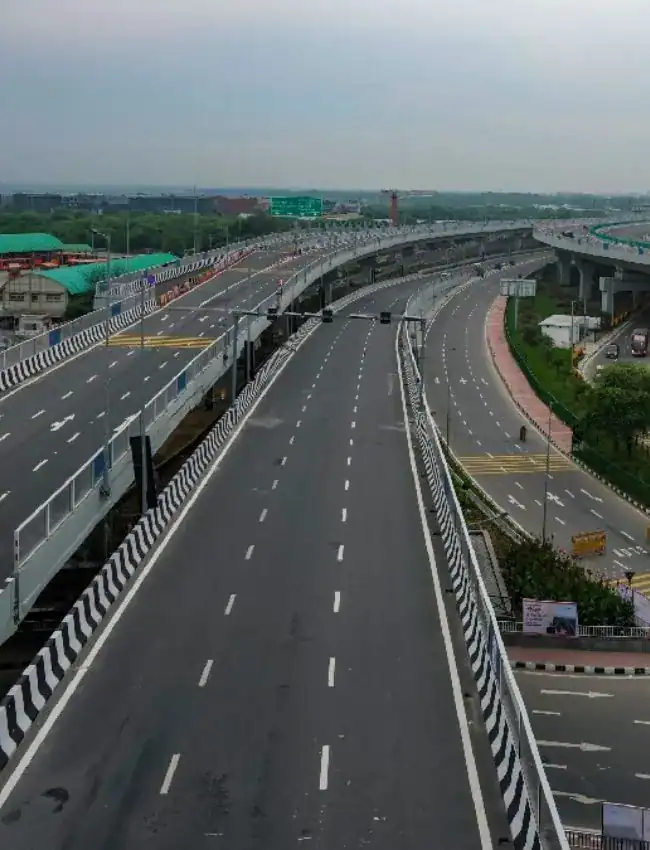
Rajasthan has secured a commanding position in India’s rapidly expanding road infrastructure network after completing 1,192 kilometres of high-speed corridors and greenfield expressways, the highest total recorded by any state in the country.
The achievement places Rajasthan at the centre of India’s expressway development drive. It also signals a major change in how people, tourists, industries and freight operators may move across the country’s largest state by area.
Advertisement
Advertisement
According to information presented by the Central Government in the Rajya Sabha, Rajasthan now accounts for almost one-quarter of all completed high-speed corridors and greenfield expressways in India. The growing road network is expected to shorten journeys, improve regional access, reduce logistics pressure and create stronger connections between urban centres, industrial zones, tourism destinations and border districts.
The development could carry wide economic significance. Better highways do more than move vehicles faster. They can influence investment decisions, encourage industrial expansion, open remote tourism areas and strengthen the movement of agricultural and manufactured goods.
Advertisement
Advertisement
Rajasthan Reaches the Top of India’s Expressway Rankings
The Central Government has confirmed that Rajasthan has completed more high-speed corridor and greenfield expressway kilometres than any other Indian state.
Union Minister for Road Transport and Highways Nitin Gadkari shared the figures through a written response in the Rajya Sabha. The data showed that Rajasthan had completed 1,192 kilometres of such road infrastructure.
Advertisement
Advertisement
This total gives the state a clear lead in a category that has become increasingly important to India’s national transport strategy.
High-speed corridors are designed to support faster and more efficient journeys between major economic centres. Greenfield expressways, meanwhile, are generally developed along newly planned routes rather than simply widening existing roads. This approach can create more direct links while avoiding heavily congested settlements and older urban corridors.
Rajasthan’s leading position suggests that the state has received substantial infrastructure attention under India’s broader highway expansion programme.
Nearly One-Quarter of India’s Completed Network Lies in Rajasthan
The scale of Rajasthan’s achievement becomes clearer when compared with the national total.
The Central Government has approved 10,389 kilometres of high-speed corridors and greenfield expressways across India. Of this approved network, 4,809 kilometres have been completed.
Rajasthan alone has delivered 1,192 kilometres.
Advertisement
Advertisement
This means the state represents close to 25 per cent of India’s completed expressway and high-speed corridor network in this category. In practical terms, roughly one out of every four completed kilometres is located in Rajasthan.
That share is particularly significant because India’s expressway programme stretches across numerous states and regions. Rajasthan’s contribution therefore reflects both the scale of work undertaken and the strategic importance attached to its geography.
The state connects northern, western and central India. It also shares borders with Punjab, Haryana, Uttar Pradesh, Madhya Pradesh and Gujarat, while its international frontier with Pakistan gives several road projects additional strategic value.
State Government Welcomes the Infrastructure Milestone
Rajasthan Chief Minister Bhajanlal Sharma welcomed the development and acknowledged the Central Government’s support for improving the state’s transport infrastructure.
He expressed gratitude to Union Road Transport and Highways Minister Nitin Gadkari for the Centre’s role in strengthening Rajasthan’s road network.
The response reflects the political and economic importance of large transport projects. Expressways often require extensive coordination between central agencies, state governments, local administrations, land authorities and construction organisations.
Advertisement
Advertisement
For Rajasthan, the completed corridors may become visible symbols of development. They could also help the state present itself as a more accessible location for manufacturing, warehousing, tourism investment and regional trade.
However, the long-term value of these roads will depend on how effectively they connect with local highways, industrial clusters, railway terminals, airports and major visitor destinations.
Faster Journeys Could Reshape Travel Across Rajasthan
Rajasthan is known for long travel distances between its major cities and tourism centres. The state covers a vast geographical area, and road journeys have traditionally played a central role in domestic and international tourism.
Improved expressway connections could make these journeys faster and more predictable.
Cities such as Jaipur, Jodhpur, Udaipur, Ajmer, Kota, Bikaner and Jaisalmer attract large numbers of leisure, cultural, business and religious travellers. Better roads can support multi-city itineraries by reducing the time spent travelling between destinations.
This could encourage visitors to add more stops to their Rajasthan journeys. A traveller visiting Jaipur may find it easier to continue towards Ajmer, Pushkar, Jodhpur or other regional attractions when road conditions improve.
Advertisement
Advertisement
Faster corridors may also benefit weekend travel and short domestic holidays. Visitors from Delhi, Haryana, Uttar Pradesh, Gujarat and Madhya Pradesh could gain more convenient access to different parts of the state.
The improvement is not only about speed. Modern expressways can offer safer alignments, controlled access, improved signage and more organised roadside facilities when they are properly designed and maintained.
Tourism Destinations May Gain Stronger Regional Access
Tourism stands to become one of the major beneficiaries of Rajasthan’s growing road infrastructure.
The state has a powerful tourism identity built around forts, palaces, desert landscapes, wildlife reserves, pilgrimage sites, historic towns, festivals and cultural experiences. Yet some destinations remain difficult to include in short itineraries because of long travel times or limited transport connections.
High-speed roads can help bring secondary and emerging destinations closer to major gateways.
This may create new opportunities for hotels, restaurants, tour operators, transport providers, roadside businesses and local experience companies. Smaller towns located near expressway interchanges could also attract fresh commercial interest.
Advertisement
Advertisement
Improved access may encourage tourism development beyond the most famous city circuits. Rural tourism, heritage stays, desert camps, wildlife lodges and community-based experiences could gain from more reliable road links.
The impact will depend on last-mile connectivity. An expressway can shorten the main journey, but travellers still need safe and well-maintained roads connecting exits with hotels, attractions, villages and tourism zones.
Industrial Hubs Could Receive a Major Logistics Boost
Rajasthan’s expressway expansion could also strengthen industrial growth.
The state has major economic activity in mining, cement, textiles, handicrafts, engineering, renewable energy, agriculture and manufacturing. Efficient transport is critical for industries that depend on moving raw materials and finished goods over long distances.
High-speed corridors can reduce journey times between factories, warehouses, markets and ports. They can also make delivery schedules more reliable.
For businesses, predictable transport can be as important as speed. Delays increase fuel expenses, labour costs and inventory pressure. Better roads can help companies plan shipments more accurately and reduce operational uncertainty.
Advertisement
Advertisement
Rajasthan’s proximity to Delhi, Gujarat and several central Indian markets gives the state strong logistics potential. Improved corridors could deepen its role as a transit and distribution hub.
Industrial areas located close to major expressways may become more attractive to investors seeking access to national supply chains. This could encourage the development of logistics parks, storage centres, manufacturing units and commercial service zones.
Border Regions May Benefit From Improved Connectivity
Rajasthan’s western districts include strategically important border areas where transport infrastructure carries both civilian and national significance.
Better roads can improve access for residents, businesses, emergency services and government agencies. They may also help connect remote communities with markets, healthcare facilities, educational institutions and administrative centres.
Border tourism could also benefit in selected areas. Rajasthan’s desert frontier, military history and distinctive landscapes attract visitors, although access and security conditions shape tourism activity.
Improved corridors can support organised travel while strengthening the wider transport system serving these districts.
Advertisement
Advertisement
At the same time, infrastructure development in environmentally sensitive desert areas requires careful planning. Construction must consider water scarcity, wildlife movement, local settlements and fragile ecosystems.
The economic benefits of connectivity will be strongest when projects also protect the natural and cultural assets that make Rajasthan unique.
Goods Movement Could Become Faster and More Efficient
The Central Government expects the new road infrastructure to improve the movement of both people and goods.
This could be particularly important for freight operators travelling through Rajasthan or carrying products from the state to other parts of India.
Reduced travel times may lower fuel use, vehicle wear and driver fatigue. Controlled-access routes can also help limit the delays caused by urban congestion, local intersections and mixed traffic.
Agricultural producers may gain from faster transport to markets. Perishable products benefit when delivery times fall and supply chains become more dependable.
Advertisement
Advertisement
Manufacturers may also find it easier to move machinery, minerals, construction materials, textiles and consumer goods.
However, lower logistics costs are not automatic. Toll charges, maintenance standards, fuel prices, congestion near interchanges and the quality of connecting roads will all influence the final benefit for businesses.
Expressways Could Encourage New Economic Corridors
Large transport projects often reshape development patterns around them.
New commercial centres may emerge near interchanges. Land near key junctions may attract warehouses, hotels, fuel stations, restaurants, repair facilities and housing projects.
This can generate employment and local revenue. It can also increase land values and encourage investment in previously less-connected areas.
Rajasthan may use the expressway network to build broader economic corridors linking industrial parks, tourism districts and agricultural production zones.
Advertisement
Advertisement
Such development requires careful regulation. Unplanned construction near highways can create safety risks, environmental pressure and congestion. Authorities will need to manage access points, land use and public services to prevent disorderly growth.
Well-planned development could turn the road network into a foundation for long-term regional expansion rather than a collection of isolated transport projects.
Road Safety and Maintenance Will Remain Critical
Completing 1,192 kilometres is a major achievement, but the quality of the network will depend on continuous maintenance and safety management.
High-speed roads require strict operating standards. Damaged surfaces, poor lighting, unsafe entry points and inadequate emergency facilities can create serious risks.
Authorities will need to ensure that signage remains clear, service areas are available and emergency response systems can reach incidents quickly.
Driver education will also matter. High-speed corridors often demand different driving behaviour from ordinary roads. Lane discipline, speed control, rest breaks and vehicle fitness become essential.
Advertisement
Advertisement
Roadside facilities must meet the needs of tourists, truck drivers, families and long-distance passengers. Clean toilets, food outlets, fuel stations, medical support and safe rest zones can significantly improve the travel experience.
The success of Rajasthan’s network should therefore be judged not only by completed kilometres, but by reliability, safety and public usefulness.
Wider Benefits Could Reach Communities Beyond Major Cities
Expressway development is often discussed in terms of large cities and industries, but its influence can extend to smaller communities.
Residents may gain quicker access to employment centres, hospitals, markets and educational facilities. Local businesses may reach a larger customer base. Tourism entrepreneurs in smaller towns may attract visitors who previously avoided long or difficult journeys.
Construction and maintenance activity can also create jobs, although the quality and duration of such employment may vary.
To distribute the benefits more widely, the state will need feeder roads linking rural areas with major corridors. Without these connections, communities located close to an expressway may still struggle to access it.
Advertisement
Advertisement
Public transport planning will also be important. Expressways primarily serve road vehicles, but buses and shared transport services can allow more people to benefit from improved journey times.
Conclusion
Rajasthan’s completion of 1,192 kilometres of high-speed corridors and greenfield expressways marks a major moment in India’s infrastructure development.
With almost a quarter of the country’s completed network located within the state, Rajasthan has established itself as the national leader in this category. The achievement has the potential to reduce travel time, improve freight movement and strengthen connections between cities, industrial centres, border regions and neighbouring states.
The benefits could be especially important for tourism, trade, manufacturing and logistics. Faster roads may help visitors explore more destinations, allow businesses to move goods more efficiently and encourage new investment along strategic corridors.
Yet the real measure of success will emerge over time. Rajasthan must maintain road quality, protect traveller safety, strengthen last-mile links and manage development around expressway junctions responsibly.
When supported by effective planning, the expanded network could become more than a transport achievement. It could serve as a powerful engine for regional growth, tourism expansion and economic transformation across Rajasthan.
The article can also be adapted into a more sensational tourism-news format with meta description, SEO keywords and multiple headline options.
Advertisement
