
Iran Aligns With Regional Neighbours And More Restores Essential Transit Links Amid Bilateral Travel Disruption

Published
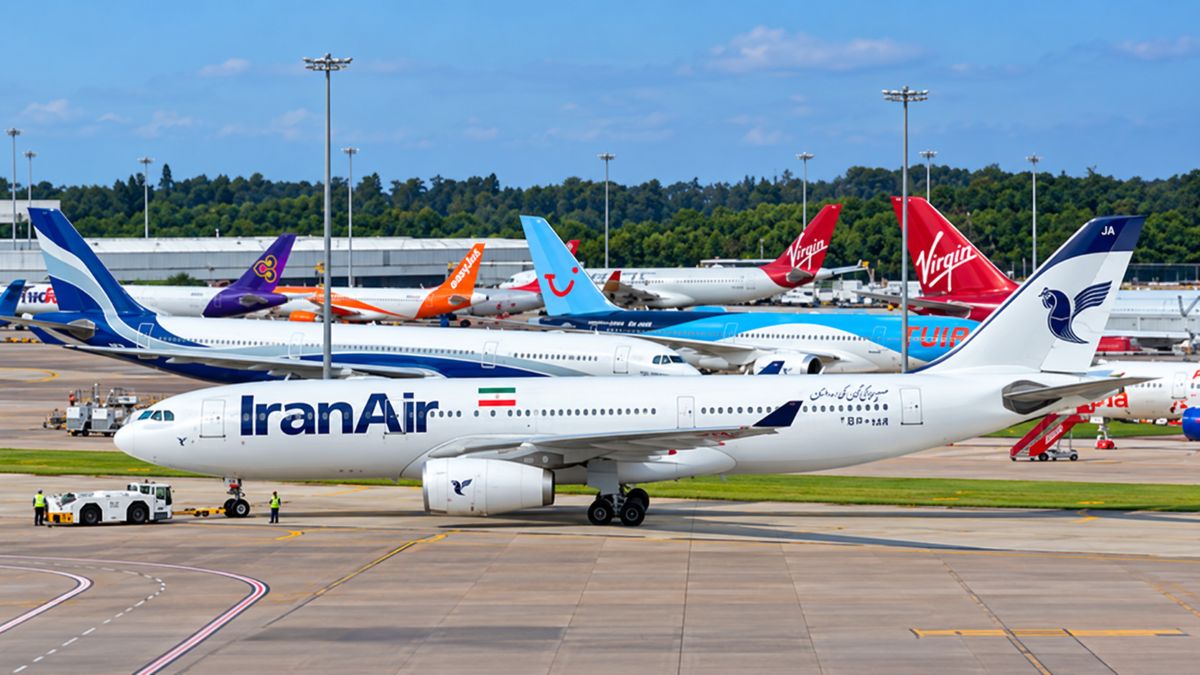
The Iranian Ministry of Foreign Affairs has strongly criticised sweeping air transport restrictions, warning that prolonged border friction inflicts acute hardship upon regular travellers across the region. Bilateral transit arrangements between the Islamic Republic and regional partners historically facilitate massive human movement, anchoring religious, familial, and economic ties. The abrupt curtailment of regular scheduled aviation services has severed traditional corridors, stranding thousands of everyday citizens who depend on predictable schedules to access holy sites, regional universities, and specialised medical centres.
Diplomatic representatives emphasise that freedom of movement forms the genuine foundation of regional neighbourhood policy, making aviation disruptions contrary to long-term bilateral commitments. Beyond the administrative friction between civil aviation authorities, the human toll mounts daily across major regional transport hubs. Aviation analysts note that modern bilateral ties rely heavily on direct connectivity, and arbitrary scheduling bottlenecks inevitably jeopardise wider economic partnerships. Authorities in Tehran continue working through diplomatic channels to normalise operations, urging counterparts to separate civilian transit rights from broader geopolitical tensions.
Advertisement
Advertisement
Humanitarian Impacts Across Border Corridors
The sudden contraction of scheduled flights creates immediate hurdles for individuals requiring specialised medical interventions. Tehran, Shiraz, and Mashhad serve as key medical tourism centres for citizens from neighbouring countries seeking affordable surgical, oncological, and ophthalmological care. When direct connections vanish, vulnerable patients face arduous multi-leg itineraries that substantially increase medical risks, inflate travel expenses, and prolong journey durations. Medical transit relies fundamentally on prompt, reliable access, and any sustained disruption threatens ongoing treatment cycles for thousands of dependent patients.
Simultaneously, tertiary education networks suffer substantial strain as cross-border transport corridors face sudden limitations. Thousands of international students enrolled in engineering, humanities, and medical faculties throughout the region find themselves unable to return for crucial examination schedules or commence academic semesters on time. Academic mobility has historically cultivated cultural goodwill and mutual understanding between neighbouring populations. By complicating the transit of students and faculty members, current air route limitations disrupt higher education calendars and create administrative chaos for institutions on both sides of the border.
Advertisement
Advertisement
Disruption to Vital Religious Pilgrimage Routes
Faith-based tourism represents the single largest demographic affected by bilateral transport barriers across the region. Hundreds of thousands of pilgrims travel annually between major holy cities, including Mashhad, Qom, Najaf, Karbala, and Damascus. These journeys represent deeply personal, often once-in-a-lifetime spiritual commitments that require meticulous logistical preparation. The suspension or reduction of charter and scheduled services forces pilgrims to seek overcrowded land crossings or highly expensive indirect routings, placing severe emotional and financial strains on ordinary working families.
Regional tour operators report massive booking cancellations and severe cash-flow shortfalls due to the operational paralysis. Tour group leaders who coordinate transport, accommodation, and catering for large pilgrim contingents find their operational models completely upended. The economic ecosystem surrounding religious tourism sustains tens of thousands of service workers, hospitality providers, and transport operators throughout secondary regional economies. Diplomatic authorities repeatedly stress that cultural and spiritual exchanges ought to remain insulated from administrative and political disputes between respective national authorities.
Advertisement
Advertisement
Operational Realities Facing Regional Air Transport
| Affected Passenger Segment | Core Route Trajectory | Primary Travel Vulnerability | Operational Mitigation Measure |
|---|---|---|---|
| Religious Pilgrims | Tehran to Najaf and Baghdad | Extended transit times and border post congestion | Temporary charter operations and expanded overland rail capacity |
| Medical Patients | Regional capitals to Shiraz and Mashhad | Critical delays in emergency and specialised clinical care | Priority humanitarian clearance on designated diplomatic flights |
| University Students | Border regions to metropolitan campuses | Missed academic examinations and visa compliance issues | Extension of academic terms and hybrid digital class alternatives |
| Cross-Border Traders | Commercial hubs to industrial free zones | Supply chain paralysis and perishable cargo loss | Redirection of critical commercial cargo via maritime channels |
Commercial airlines operating within these corridors face mounting logistical friction alongside the passengers themselves. Ground handling agents, catering firms, and airport authorities absorb heavy losses from sudden scheduling revisions and fleet underutilisation. Restoring regular flight schedules demands systematic coordination between national civil aviation organisations, including harmonised air navigation fees, reciprocal slot allocations, and coordinated safety protocols. Aviation industry bodies consistently advocate for transparent bilateral agreements that protect scheduled air links from sudden unilateral closures.
Economic Repercussions for Cross-Border Enterprise
Small and medium-sized enterprises represent another major casualty of restricted bilateral aviation arrangements. Merchant traders, agricultural exporters, and industrial technicians rely on reliable same-day or next-day air services to facilitate commercial transactions, inspect production facilities, and deliver high-value, time-sensitive cargo. When air routes close, trade delegations face cancellation, contractual deliveries suffer substantial delays, and commercial trust between regional trading partners erodes, yielding compounding economic damages that affect wider community prosperity.
Cross-border commercial mobility serves as an indispensable catalyst for broader economic integration across Western Asia. Modern economic actors require unfettered physical movement to sign commercial agreements, resolve supply-chain bottlenecks, and maintain corporate joint ventures. Industry chambers across multiple regional jurisdictions have urged foreign ministries to establish secure humanitarian and business travel corridors. By shielding civilian transport from external diplomatic fluctuations, regional states can maintain steady commercial interaction, protect local employment, and foster sustainable economic resilience against global market uncertainties.
Frequently Asked Questions
What caused the recent air travel restrictions between Iran and regional neighbours? The current restrictions stem from administrative disputes between civil aviation authorities alongside regional diplomatic tensions that led to the suspension of scheduled reciprocal flights.
How are religious pilgrims coping with the current flight suspensions? Many pilgrims have turned to overcrowded land border posts or booked expensive multi-stop journeys via third-country hubs to reach holy destinations in the region.
Which passenger categories suffer the most severe disruptions from these curbs? The most severely affected groups comprise religious pilgrims, patients travelling for specialised medical treatment, university students, and independent cross-border commercial traders.
Advertisement
Advertisement
Are medical transit patients receiving any special travel dispensations? Humanitarian cases occasionally receive ad-hoc diplomatic clearances, but the vast majority of medical travellers face severe journey delays and substantial financial strain.
What steps is the Iranian Ministry of Foreign Affairs taking to resolve the crisis? The foreign ministry is pursuing direct bilateral negotiations with regional civil aviation bodies to re-establish regular scheduled passenger services and protect civilian mobility.
How do flight cancellations impact regional tour operators and travel agencies? Agencies face catastrophic booking cancellations, severe revenue losses, and significant administrative hurdles managing refunds, accommodation contracts, and alternative transit arrangements for clients.
Can university students cross international borders using overland alternatives? While overland routes remain operational at select crossing points, the journeys involve excessive transit times, rigorous security screenings, and extensive border delays.
How are regional businesses adjusting to the lack of direct commercial flights? Commercial enterprises are increasingly relying on digital conferencing, rerouting perishable shipments through third nations, and reducing the frequency of in-person trade delegations.
Are scheduled flights expected to resume normal operations in the immediate future? Resumption depends entirely on the outcome of ongoing diplomatic consultations aimed at establishing robust aviation safety protocols and reciprocal air service agreements.
Why does the Iranian foreign ministry argue against civilian aviation curbs? Tehran maintains that civilian air travel is an essential humanitarian service that connects ordinary people, families, and cultures, and should never serve as leverage in political disputes.
Advertisement
