
Thai Airways Winter 2026/27 Schedule Unveils 66 Routes as Thailand Braces for Peak Travel

Published
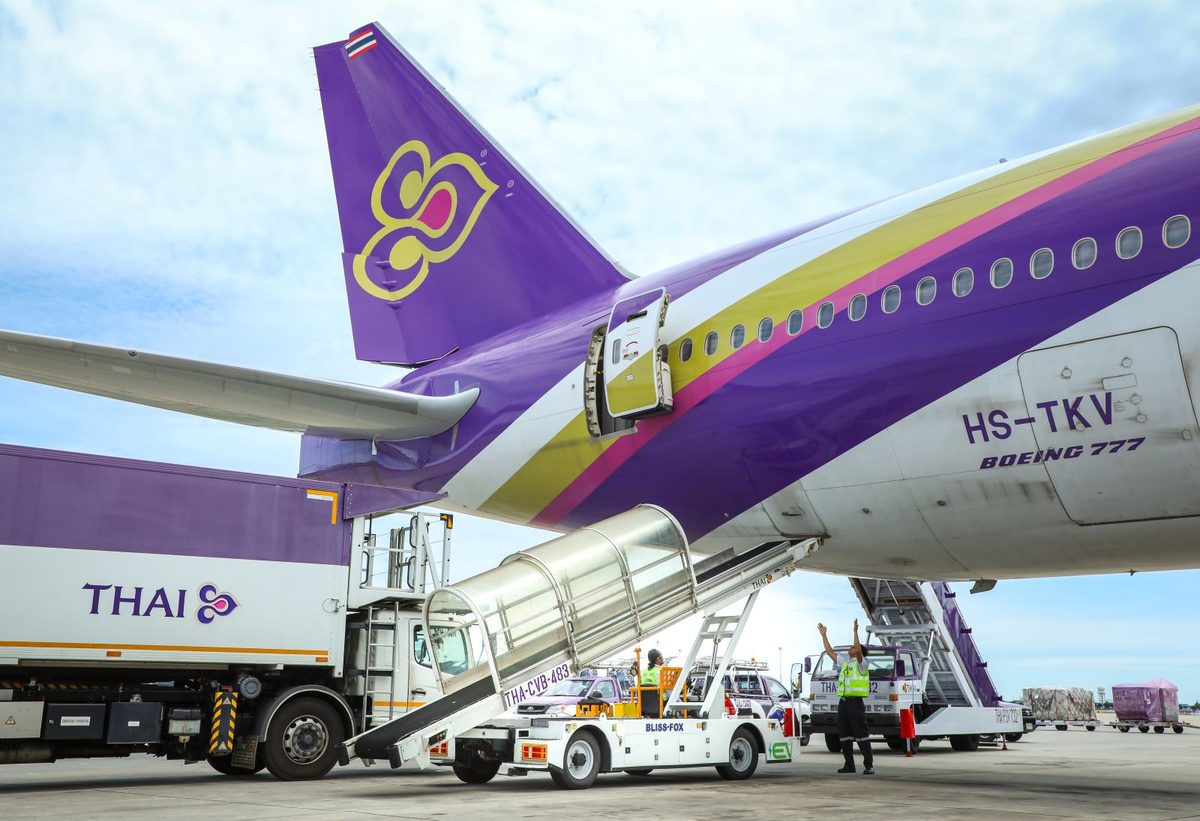
Thai Airways International will launch a 66-route winter schedule 2026/27. Flights will reach all corners of Europe, Australia, Asia and domestic Thailand. The program will run from 25 October 2026 to 27 March 2027. Thai Airways International will increase seat capacity on several important international markets. There will be double daily flights to Paris, which will be 14 weekly from December. Flights to Hong Kong will be 35 per week. Kuala Lumpur, Hanoi, Vientiane, Kolkata, Hyderabad and Bengaluru will have more frequency as well. The 66 routes include 15 Europe and Australia routes, 43 Asian routes and 8 domestic routes. For travellers, the new schedule gives them more choices when booking a departure to Thailand during the peak tourist season. For the tourism industry, the new schedule is an intent strategies to make Bangkok, Thailand a more attractive regional connecting hub.
Bangkok Prepares For A Busier Winter
Thai Airways has built its winter timetable around the period when Thailand traditionally attracts strong international leisure demand. The carrier said it has adjusted selected frequencies according to bookings and anticipated travel demand.
Advertisement
Advertisement
The schedule begins on Sunday, 25 October 2026, and ends on Saturday, 27 March 2027. It therefore spans the core northern-hemisphere winter period and much of Thailand’s high tourism season.
The network is significant not simply because of its route count. Its structure shows a broader strategy of feeding long-haul markets through Bangkok while reinforcing short- and medium-haul Asian connectivity.
Advertisement
Advertisement
| Winter 2026/27 Network | Routes |
|---|---|
| Europe and Australia | 15 |
| Asia | 43 |
| Domestic Thailand | 8 |
| Total | 66 |
The schedule also strengthens several markets serving Indian travellers. Kolkata, Hyderabad and Bengaluru receive additional weekly services. New Delhi remains one of the carrier’s largest international markets, with 28 flights a week.
Thai Airways’ own destination platform currently lists Bangkok connections from major Indian gateways, including Delhi, Mumbai, Bengaluru, Hyderabad, Chennai, Kolkata and Ahmedabad.
Advertisement
Advertisement
For travellers, that breadth matters because Bangkok can function as both a destination and a connecting point. It offers onward access to Japan, China, Southeast Asia, Australia and Europe on the same network.
Paris Emerges As A Major Winner
The most striking long-haul increase comes on the Bangkok–Paris route. Thai Airways plans to increase the service from seven flights a week to 14 weekly flights from 1 December 2026.
That effectively creates a twice-daily schedule between the Thai capital and the French capital. The move gives travellers greater flexibility for short breaks, business trips and multi-city European itineraries.
Hong Kong receives an equally notable boost. Weekly frequencies will rise from 28 to 35 from 1 December, creating five flights each day on average.
The increases reflect the importance of high-frequency markets. Travellers value multiple daily departure choices because they reduce the need to structure an entire itinerary around one flight.
| Destination | Current Winter Frequency | Planned Increase | Effective Date |
|---|---|---|---|
| Paris | 7 weekly | 14 weekly | 1 December 2026 |
| Hong Kong | 28 weekly | 35 weekly | 1 December 2026 |
| Vientiane | 14 weekly | 21 weekly | 1 December 2026 |
| Hanoi | 14 weekly | 21 weekly | 1 December 2026 |
| Kuala Lumpur | 14 weekly | 21 weekly | 1 December 2026 |
| Kolkata | 7 weekly | 10 weekly | 1 November 2026 |
| Penang | 7 weekly | 14 weekly | 16 November 2026 |
| Hyderabad | 7 weekly | 10 weekly | 16 November 2026 |
| Bengaluru | 7 weekly | 11 weekly | 16 November 2026 |
| Munich | 7 weekly | 10 weekly | 16 December 2026 |
| Zurich | 7 weekly | 11 weekly | 16 January 2027 |
| Nagoya | 7 weekly | 12 weekly | 16 January 2027 |
The concentration of increases around December is especially notable. That period captures Christmas, New Year and the broader winter holiday market.
Advertisement
Advertisement
India Gains More Bangkok Access
The Indian market stands out in the schedule because several cities receive additional capacity.
Kolkata increases from seven to 10 weekly flights from 1 November. Hyderabad rises to 10 weekly flights from 16 November, while Bengaluru reaches 11.
These are meaningful increases for Indian outbound travellers because Bangkok remains a major gateway for leisure, shopping, entertainment and onward regional travel.
New Delhi retains 28 weekly flights, equivalent to four services each day on average. Mumbai retains 14 weekly flights, while Chennai operates 11.
| Indian Gateway | Winter 2026/27 Frequency |
|---|---|
| New Delhi | 28 weekly |
| Mumbai | 14 weekly |
| Chennai | 11 weekly |
| Bengaluru | 11 weekly from 16 November |
| Kolkata | 10 weekly from 1 November |
| Hyderabad | 10 weekly from 16 November |
| Ahmedabad | 7 weekly |
| Gaya | 7 weekly |
The expansion also creates stronger connectivity between eastern India and Thailand. Kolkata’s increase is particularly relevant for travellers seeking Bangkok connections towards Southeast Asia, Japan and Australia.
Thai Airways already promotes extensive connectivity from Indian cities to Bangkok and onward international destinations, reinforcing the role of its Bangkok network as a transfer platform.
Advertisement
Advertisement
Asia Receives The Broadest Capacity Push
Asia remains the centre of gravity within the winter programme, accounting for 43 of the 66 routes.
Japan receives substantial capacity across multiple gateways. Tokyo Narita will operate 21 weekly flights, while Haneda receives 14. Osaka also gets 14 weekly flights.
Nagoya moves from seven to 12 weekly services from January. Sapporo and Fukuoka retain seven weekly flights each.
The schedule also provides substantial coverage of China. Guangzhou, Shanghai and Beijing each receive 14 weekly services, while Kunming, Chengdu and Xiamen remain connected to Bangkok.
| Asian Market | Weekly Flights |
|---|---|
| Hong Kong | 35 from 1 December |
| Singapore | 35 |
| Manila | 21 |
| Tokyo Narita | 21 |
| Taipei | 21 |
| Seoul | 21 |
| Hanoi | 21 from 1 December |
| Vientiane | 21 from 1 December |
| Yangon | 21 |
| Tokyo Haneda | 14 |
| Osaka | 14 |
| Guangzhou | 14 |
| Shanghai | 14 |
| Beijing | 14 |
| Kuala Lumpur | 21 from 1 December |
| Phnom Penh | 14 |
| Ho Chi Minh City | 14 |
| Jakarta | 14 |
| Denpasar | 14 |
This breadth gives the winter timetable a distinctly network-carrier character. Rather than relying only on point-to-point leisure traffic, Thai Airways can use Bangkok to distribute passengers across multiple Asian markets.
New Services Or Expanded Connectivity?
There is an important distinction for travellers examining the announcement.
Advertisement
Advertisement
The supplied winter schedule does not identify a large wave of entirely new destination launches. Instead, the headline change is capacity expansion on established markets.
Da Nang is the notable schedule development, with 14 weekly flights from 1 December. The timetable therefore combines strengthened existing markets with selected service additions or restorations.
This distinction matters because additional frequencies can have an immediate effect on fares and itinerary flexibility. A genuinely new route, by contrast, creates access where no direct service previously existed.
For travellers, the practical gain is therefore less about collecting new destinations and more about obtaining more ways to reach existing ones.
Europe Gets A Stronger Winter Platform
Thai Airways will operate a broad European network from Bangkok throughout the winter season.
London and Frankfurt each receive 14 weekly flights, while most other major European markets retain daily service. Paris becomes the standout expansion market after December.
Advertisement
Advertisement
| European/Australian Destination | Weekly Frequency |
|---|---|
| London | 14 |
| Frankfurt | 14 |
| Paris | 14 from 1 December |
| Zurich | 11 from 16 January |
| Munich | 10 from 16 December |
| Istanbul | 7 |
| Stockholm | 7 |
| Copenhagen | 7 |
| Oslo | 7 |
| Milan | 7 |
| Amsterdam | 7 |
| Brussels | 7 |
| Perth | 7 |
| Melbourne | 14 |
| Sydney | 14 |
The Australian network is similarly robust. Melbourne and Sydney each receive 14 weekly flights, while Perth retains seven.
That creates a useful bridge between Thailand and the southern hemisphere during the European winter. It also supports two-way tourism, with Australian travellers able to reach Thailand during their summer holiday period.
Thailand’s Tourism Strategy Supports Capacity
The expanded schedule arrives as Thailand seeks to strengthen tourism through better connectivity and higher-value travel.
The Tourism Authority of Thailand has shifted towards a “Value over Volume” strategy. Its 2026 outlook places greater emphasis on quality markets, visitor spending and resilient international demand.
In the first quarter of 2026, Thailand recorded 9.31 million international arrivals. India ranked fourth among source markets, with about 626,000 visitors during the period.
By 2 June, Thailand had welcomed more than 14 million international visitors, according to TAT. Tourism revenue had reached approximately 679 billion baht at that point.
Advertisement
Advertisement
Those numbers help explain why airline capacity remains strategically important. More seats do not automatically guarantee more visitors. However, stronger connectivity removes a major barrier to demand.
The government’s tourism strategy also targets approximately 30–34 million international arrivals in 2026, alongside around 206 million domestic trips.
Bangkok’s Hub Role Becomes More Important
The timetable reinforces Bangkok’s position as the centre of Thai Airways’ international network.
Suvarnabhumi Airport is already the country’s principal international gateway. Thai authorities have been working on passenger-flow improvements, congestion management and expanded immigration technology as traffic rises.
That operational backdrop matters because additional airline capacity places pressure on airport infrastructure.
More flights can benefit tourism only if airports can process passengers efficiently. Immigration, security, baggage handling, aircraft stands and ground transport must all absorb the additional demand.
Advertisement
Advertisement
For connecting passengers, schedule density is equally important. A strong hub needs more than many destinations. It needs departure and arrival patterns that allow practical connections.
Thai Airways’ winter programme appears designed around that principle. High-frequency routes across Asia can feed European and Australian departures, while long-haul services can bring international visitors into Thailand.
Domestic Routes Protect Thailand’s Internal Reach
The winter plan is not solely an international story.
Thai Airways will operate eight domestic routes, connecting Bangkok with Chiang Mai, Chiang Rai, Khon Kaen, Udon Thani, Ubon Ratchathani, Krabi, Phuket and Hat Yai.
Phuket and Chiang Mai receive the largest domestic schedules. Each market therefore remains central to Thailand’s internal tourism network.
| Domestic Destination | Weekly Flights |
|---|---|
| Chiang Mai | 63, reducing to 49 from 1 February 2027 |
| Phuket | 63 |
| Khon Kaen | 28 |
| Chiang Rai | 21 |
| Udon Thani | 21 |
| Krabi | 21 |
| Hat Yai | 21 |
| Ubon Ratchathani | 14 |
The reduction on Chiang Mai from February is worth watching. It suggests that capacity will not move uniformly across the network throughout the season.
Advertisement
Advertisement
For inbound travellers, domestic connectivity remains crucial. Many international visitors use Bangkok as the first stop before continuing to northern Thailand, the Andaman coast or southern destinations.
What Travellers Should Watch Before Booking
The winter schedule provides more choice, but passengers should still check the exact operating date before booking.
Several increases begin weeks after the overall timetable starts. Kolkata rises from 1 November, while Penang, Hyderabad and Bengaluru increase from 16 November.
Munich changes from 16 December. Zurich and Nagoya receive their higher frequencies from 16 January.
This staggered approach means that the number of available flights can differ considerably between October and January.
| Travel Period | Key Capacity Changes |
|---|---|
| 25 October 2026 | Winter timetable begins |
| 1 November | Kolkata rises to 10 weekly |
| 16 November | Penang, Hyderabad and Bengaluru increase |
| 1 December | Paris, Hong Kong, Hanoi, Vientiane and Kuala Lumpur increase |
| 16 December | Munich rises to 10 weekly |
| 16 January 2027 | Zurich and Nagoya increase |
| 1 February | Chiang Mai reduces to 49 weekly |
| 27 March 2027 | Winter timetable ends |
Travellers should also distinguish weekly frequency from daily operation. An airline may describe a service as daily while operating several flights on selected days.
Advertisement
Advertisement
Thai Airways advises passengers to check current schedules and availability when booking. Its destination platform also shows that fares and availability can change based on travel dates and inventory.
More Seats Could Change Winter Choices
The commercial impact of the programme could extend beyond Thai Airways passengers.
Additional frequencies can increase schedule competition within a market. They can also make Bangkok itineraries more attractive when travellers compare connections, stopovers and total journey times.
For tourism businesses, the implications are broader. Hotels, tour operators, attractions and ground transport providers gain access to a potentially larger pool of inbound travellers.
That matters particularly for Thailand’s winter peak, when international leisure demand can place pressure on rooms and transport capacity.
TAT’s current strategy prioritises stronger-value travellers rather than pursuing visitor volume alone. Its 2026 programmes target wellness, gastronomy, culture, sustainability and other higher-value segments.
Advertisement
Advertisement
The airline’s capacity strategy therefore complements a tourism policy increasingly focused on quality and market diversification.
A Winter Network Built For Flexibility
For its winter 2026/27 operations, Thai Airways focuses on a more deep and connected network rather than starting new services.
Thai Airways has published its 66 route program, covering a large portion of Europe, Australia, Asia and Thailand from Bangkok. Capacity is added to India, and there is increased frequency to the main Asian gateways. There are large increases to Paris, Hong Kong, and many Southeast Asian countries. Meanwhile, Sydney and Melbourne both retain very strong schedules.
For travellers, the added capacity makes planning easier. For Thailand, the added capacity strengthens international air links for Thailand’s tourism recovery.
This coming winter will provide a good test not just for passenger demand, but for capacity within Bangkok. With Thailand looking at a recovery from resilient and high quality tourism, the expanded winter air services creates more opportunities for Thailand to shift demand into real passenger growth.
Advertisement
