
West Africa In Tourism Boom Shock As Russian Travel Surge Quietly Reshapes Africa’s Most Popular Destinations While Some Regions Get Left Behind

Published
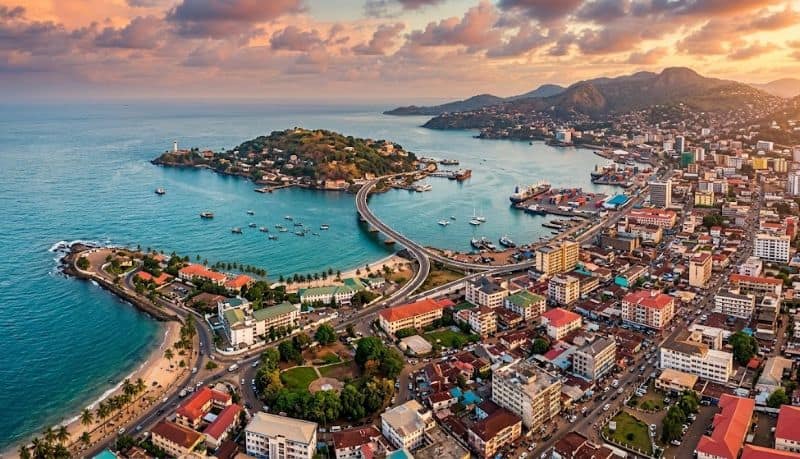
It was observed that the broader discussion on West Africa and its position in the expanding Russian tourism landscape pointed toward a growing imbalance in international travel distribution. It was stated that West Africa had not been receiving proportional attention from the rising Russian outbound tourism market, even though global travel demand from Russia had continued to increase steadily. It was further explained that the expansion of Russia’s middle-class population had resulted in greater international mobility, yet destination choices remained unevenly distributed across Africa.
It was highlighted that while Russian travelers had increasingly explored long-haul destinations, West Africa remained less visible in comparison to other African regions. At the same time, destinations in East Africa and Southern Africa, especially Kenya, Tanzania, South Africa, and Botswana, had been more firmly established within Russian travel circuits due to their well-developed safari ecosystems and stronger international branding.
Additionally, it was suggested that the issue was not a lack of tourism potential in West Africa, but rather a gap in positioning, accessibility, and visibility within global travel networks. It was further implied that West Africa and its position in the expanding Russian tourism landscape reflected a broader structural challenge in global tourism, where awareness and connectivity often determine demand more than destination quality itself.
Russian Outbound Travel Growth and Uneven African Participation
Advertisement
Advertisement
It was explained that the steady rise in Russian outbound tourism over recent years had significantly reshaped global travel flows. It was noted that increasing disposable income and greater openness to international travel had encouraged Russian tourists to explore destinations far beyond their traditional markets.
However, it was emphasized that Africa’s participation in this growth had remained uneven. While the continent as a whole offered diverse tourism experiences, Russian travel demand had concentrated heavily in specific regions that had already established strong tourism identities.
Advertisement
Advertisement
It was stated that East Africa and Southern Africa had emerged as dominant choices for Russian travelers. Countries such as Kenya, Tanzania, South Africa, and Botswana were described as having strong visibility in the global safari and wildlife tourism segment. Their presence in Russian itineraries was attributed to long-standing familiarity, consistent promotion, and well-developed tourism infrastructure.
In contrast, West Africa was described as significantly underrepresented in Russian travel flows. Despite offering rich cultural heritage, coastal attractions, and historical depth, it was suggested that the region had not been sufficiently integrated into mainstream international tourism circuits. As a result, Russian travelers were said to have limited exposure to West African destinations, even when these locations offered comparable travel value.
Advertisement
Advertisement
Structural Barriers and Perception Challenges in West Africa
It was explained that several structural and perceptual barriers had continued to influence the slow growth of Russian tourism into West Africa. One of the most significant concerns highlighted was security perception, where international travelers often associate certain regions with instability, even when current realities may not reflect such assumptions.
It was also noted that residual global memory of past health crises, including Ebola-related concerns, continued to influence traveler psychology. These perceptions were described as outdated yet still impactful in shaping long-distance travel decisions, particularly in emerging tourism markets.
Furthermore, it was highlighted that limited tourism infrastructure in parts of West Africa, including accommodation availability and internal transportation systems, had affected competitiveness. It was also observed that the absence of strong long-haul air connectivity and the lack of direct flight routes from Russia created significant logistical challenges for potential travelers.
Advertisement
Advertisement
These factors were collectively presented as structural constraints that reduced the region’s ability to compete with more established African destinations. It was further suggested that accessibility remained one of the most decisive factors in global tourism demand, especially for intercontinental travel.
Marketing Gaps, Communication Barriers and Connectivity Limitations
It was observed that insufficient international marketing exposure had played a central role in limiting the visibility of West Africa within the Russian tourism market. It was explained that awareness levels among Russian travelers remained low not because of lack of interest, but due to limited destination storytelling, branding initiatives, and global promotional reach.
It was also highlighted that language differences contributed further complexity. The predominance of French-speaking countries in West Africa contrasted with the linguistic expectations of Russian and English-speaking tourists, which created additional challenges in communication, travel planning, and tourism facilitation.
In addition, it was stated that visa requirements and limited bilateral tourism partnerships had further restricted mobility between Russia and West African nations. These administrative and institutional barriers were described as interconnected issues that collectively suppressed travel demand. It was implied that while each challenge might appear manageable in isolation, their combined effect significantly weakened West Africa’s overall competitiveness in the international tourism landscape.
Emerging Tourism Potential in West African Destinations
Advertisement
Advertisement
It was noted that despite existing constraints, several countries in West Africa continued to demonstrate strong tourism potential. Nations such as Senegal, Ghana, Cape Verde, and The Gambia were identified as destinations offering diverse tourism experiences, including cultural heritage, coastal tourism, and historical exploration.
However, it was emphasized that these destinations continued to attract relatively low numbers of Russian tourists when compared with other African regions. This disparity was described as a clear indication of untapped tourism potential that had yet to be fully realized.
It was further explained that with improved connectivity, stronger branding strategies, and enhanced international engagement, these countries could significantly increase their presence in the Russian outbound tourism market. The growth potential was described as substantial, especially considering the rising global demand for unique and diversified travel experiences.
Global Travel Industry Implications and Shifting Tourism Patterns
It was highlighted that the uneven integration of West Africa into the Russian tourism expansion had broader implications for the global travel industry. It was suggested that modern tourism flows were increasingly influenced by visibility, accessibility, and established networks rather than equal geographic distribution.
It was further observed that the concentration of Russian tourists in a limited number of African destinations had resulted in an incomplete representation of the continent’s tourism diversity. As a consequence, global travelers were believed to be experiencing a narrower perspective of Africa’s cultural and geographical richness.
Advertisement
Advertisement
It was also explained that this imbalance affected not only destination economies but also broader tourism development patterns. Regions with strong tourism assets but limited exposure risked being excluded from major international growth cycles, despite their potential contribution to global tourism diversity. Moreover, it was suggested that tourism stakeholders across the world may need to reconsider how destinations are introduced, promoted, and sustained within emerging markets. Without deliberate inclusion strategies, regions like West Africa could continue to remain underrepresented in global travel flows, even as demand for international tourism expands.
Future Outlook for West Africa in Global Tourism Circuits
It was concluded that West Africa possessed significant tourism assets but remained under positioned within the Russian outbound tourism market due to a combination of structural, infrastructural, and informational limitations. It was indicated that unless these challenges were addressed systematically, the region could continue to lag behind in global tourism expansion trends.
At the same time, it was suggested that the situation should not be interpreted as permanent. With targeted improvements in connectivity, enhanced international marketing efforts, and stronger tourism cooperation frameworks, it was believed that West Africa could gradually strengthen its presence in the Russian travel landscape.
It was ultimately implied that global tourism was undergoing continuous transformation, and destinations capable of adapting to evolving traveler expectations, improving accessibility, and enhancing international visibility would be better positioned to benefit from future travel demand cycles.
Advertisement
