
Indigenous Tourism in the US: The Ultimate Cultural Travel Guide

Published
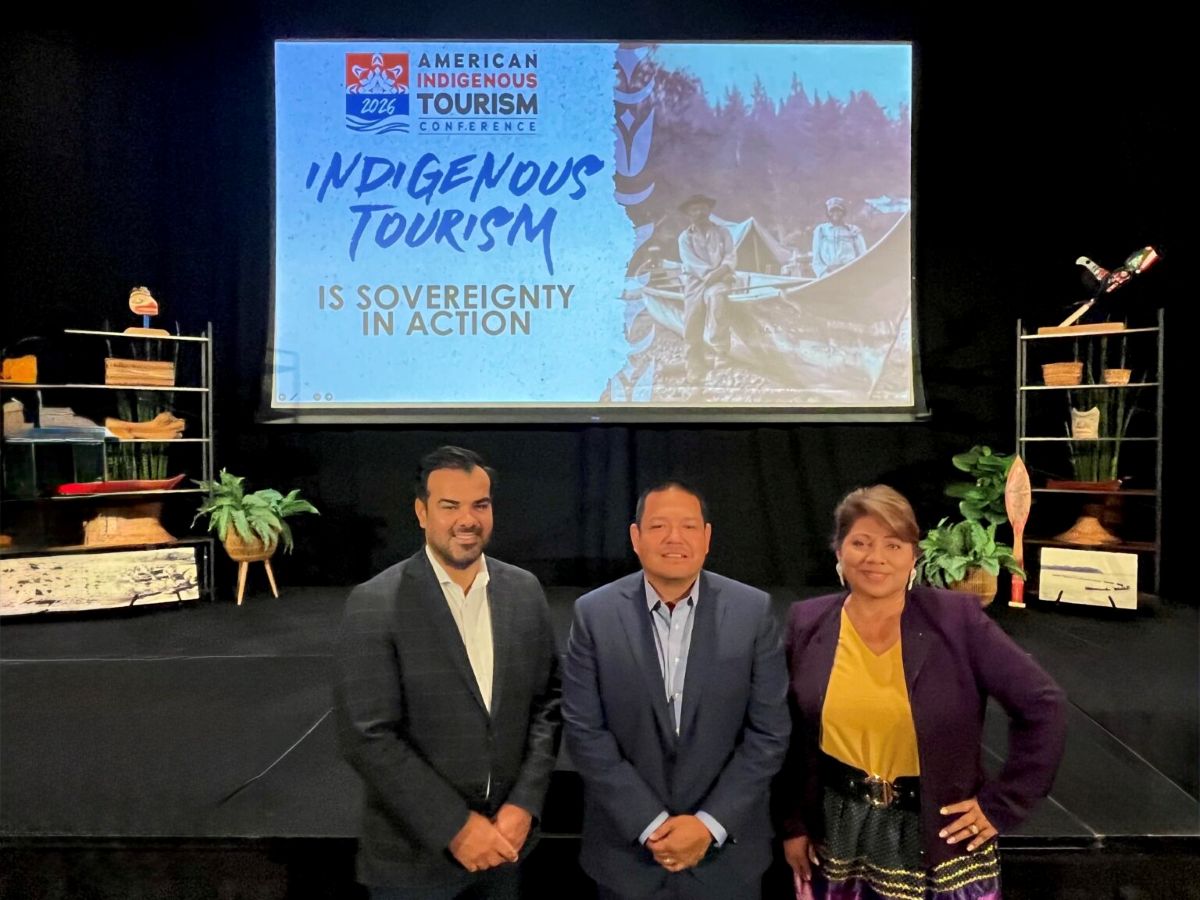
Indigenous tourism allows travelers to experience the diverse heritage, traditions, and landscapes of American Indian, Alaska Native, and Native Hawaiian communities. When managed directly by Native Nations, travel becomes a direct vehicle for cultural preservation and economic sovereignty.
Understanding tribal etiquette, legal frameworks, and sovereign authority ensures your journey respects host communities while generating a meaningful, positive impact.
Advertisement
Advertisement
Frequently Asked Questions About Indigenous Tourism
What is Indigenous cultural tourism? Indigenous cultural tourism refers to travel enterprises, cultural centres, and excursions wholly owned, operated, or sanctioned by Native Nations. This model ensures historical narratives, artistic expressions, and sacred traditions are shared exclusively on the community’s sovereign terms.
How does Indigenous tourism support Native self-determination? Indigenous tourism redirects visitor revenue into tribal economies, funding community infrastructure, language revitalization, youth education, and sacred site stewardship. This economic independence reinforces tribal sovereignty and self-governance over ancestral homelands.
Advertisement
Advertisement
What is the economic impact of Indigenous tourism in the United States? Indigenous tourism generates an estimated $15.7 billion annually and draws over 1.6 million international travelers, according to joint benchmark research by the American Indian Alaska Native Tourism Association (AIANTA) and the U.S. Department of Commerce’s National Travel and Tourism Office (NTTO).
Essential Etiquette: 5 Rules for Respectful Travel on Tribal Lands
Tribal lands in the United States are not public parks; they are sovereign nations with distinct legal jurisdictions, regulatory bodies, and cultural protocols. Follow these standards when visiting:
Advertisement
Advertisement
- Acknowledge and Obey Tribal Sovereignty: Tribal reservations and ancestral allotments operate under independent legal codes. Adhere strictly to local speed limits, permit mandates for fishing or backcountry hiking, and tribal council ordinances.
- Verify Photography and Recording Guidelines: Do not take photos, record audio, or film ceremonies, dances, historic sites, or community members without explicit written or verbal authorization. Many tribal governments prohibit commercial photography or personal drone operations over sovereign land entirely.
- Purchase Authentic Crafts Protected by Federal Law: When purchasing Native art, jewellery, or textiles, verify compliance with the Indian Arts and Crafts Act of 1990, administered by the Indian Arts and Crafts Board (IACB) under the U.S. Department of the Interior. This federal truth-in-advertising statute makes it unlawful to market counterfeit or non-Native goods as “Indian-made”. Buy directly from verified tribal cooperatives, cultural centre gift shops, or certified Native artisans to ensure full legal protection and direct economic return to the creator.
- Honour Sacred Knowledge and Cultural Boundaries: Indigenous knowledge systems contain sensitive traditions and private spiritual practices not intended for public sharing. If a guide, elder, or community member declines to share a specific story, meaning, or ritual, accept that boundary with cultural humility.
- Choose Native-Led Tour Operators and Experiences: Book excursions through tribally certified outfitters, whether hiking ancestral trails in the American Southwest or taking a Coast Salish culinary journey in the Pacific Northwest. Native guides provide historically accurate narratives rooted in authentic place-based heritage.
Institutional Leadership: AIANTA and the Annual Tourism Conference
The American Indian Alaska Native Tourism Association (AIANTA) stands as the nation’s sole non-profit association dedicated to advancing cultural tourism across Native Nations. Founded to build sustainable tourism capacity, AIANTA provides:
- Technical Assistance: Training tribal hospitality enterprises in business planning, curation, and operations.
- Sovereignty Protection: Establishing intellectual property and ethical visitor guidelines to protect sacred assets.
- National Advocacy: Partnering with federal agencies to expand federal grant opportunities and international outreach for Indigenous enterprises.
At landmark gatherings like the annual American Indigenous Tourism Conference (AITC)—recently hosted at the Tulalip Resort Casino on the homelands of the Tulalip Tribes under the banner “Sovereignty in Action”—tribal leaders, tourism directors, and federal partners collaborate on models that balance commercial hospitality with heritage protection. Through these collective efforts, Native Nations continue to lead ethical tourism across North America.
Advertisement
Advertisement
Plan Your Ethical Visit
For verified itineraries, certified Indigenous tour operators, and educational resources, visit the official Indigenous tourism directory at Destination Native America, curated by AIANTA.
Advertisement
