

Spain Joins UK and Others as Europe Eyes New Atlantic Tourism Strategy Amid Maritime Cooperation Challenges

Published
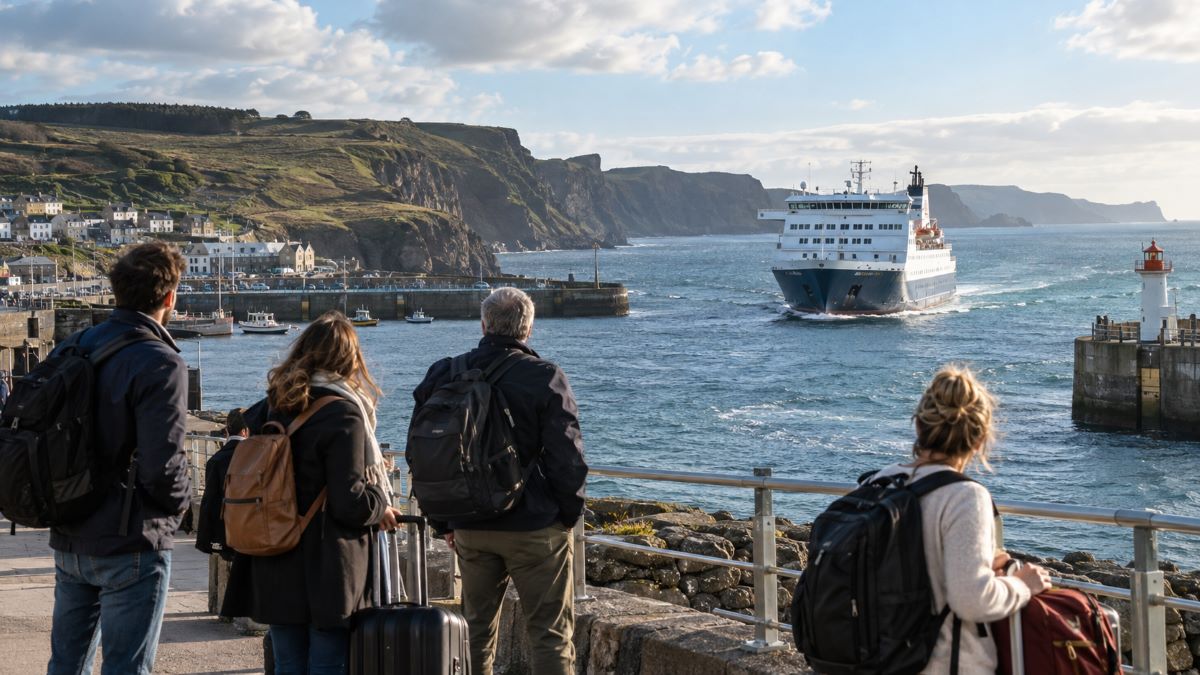
Spain joins UK and others as Europe eyes a new Atlantic tourism strategy amid maritime cooperation challenges, bringing France, Ireland and Portugal into focus. The European Committee of the Regions is looking at increasing the cooperation for ferries, coastal tourism, maritime investment and environmental protection. The challenges of Brexit, funding and transport continue to be significant issues. The plan, which could enhance the accessibility of islands and support coastal economies as well as ease cross-border travel, is due to be agreed by EU leaders in June 2027. But there has been no new transportation accord or services between the five countries and the benefits of tourism to the future are contingent on coordinated action.
Europe’s Atlantic Tourism Strategy: What Could Actually Change for Travellers?
A proposed European Atlantic strategy could link ports, rail, islands and sustainable tourism. The European Committee of the Regions published an Atlantic opinion factsheet on 12 October 2026, while EU leaders have requested a strategy by June 2027. No five-country agreement, new ferry service or strategy-specific budget has been approved.
Advertisement
Advertisement
The proposal addresses an overlooked obstacle: coastal destinations can be close by sea yet difficult to visit together. Ferries, trains and island flights rarely form one seamless system.
A common framework could align investment, environmental information and tourism services. However, the October opinion remains under discussion.
Advertisement
Advertisement
The European Council wants a strategy by June 2027. Spain, chairing the Atlantic Strategy Committee in 2026, is specifically seeking greater attention to tourism.
Travellers should therefore book around existing connections, not possible future ones.
Advertisement
Advertisement
Five Atlantic Countries, Five Different Travel Priorities
The EU-supported ESPON study examines 45 Atlantic regions across the five countries, covering more than 81.5 million residents. That is the study area’s population, not the combined population of the five nations.
Each contributes differently:
Advertisement
Advertisement
| Country | Atlantic tourism strength | Main practical challenge |
|---|---|---|
| Spain | Galicia, Basque coast and Canary Islands | Connecting ports, coastal communities and islands |
| UK | Welsh and western British coasts | Cooperation and financing outside the EU |
| France | Brittany, Normandy and western beaches | Rail-to-port access and climate resilience |
| Ireland | Atlantic scenery and island connections | Reliable international and local transport |
| Portugal | Mainland coast, Madeira and Azores | Island access and responsible visitor growth |
France, Ireland, Spain and Portugal already cooperate through an EU programme; the UK is a geographical partner, not a confirmed participant in a new scheme.
Official Tourism Numbers Show Why Better Atlantic Connections Matter
The latest figures measure different periods and categories; they cannot be combined into an Atlantic visitor total.
| Official indicator | Latest reported figure |
|---|---|
| Spain international tourists | 12.26 million, August 2026 |
| UK short-sea ferry passengers | 14.9 million, full year 2025 |
| France coastal accommodation nights | 106.3 million, summer 2026 |
| Ireland foreign overnight visitors | 788,700, August 2026 |
| Portugal accommodation nights | 10.9 million, August 2026 |
Figures come from Spain’s INE, UK Department for Transport, France’s INSEE, Ireland’s CSO and Turismo de Portugal.
Spain recorded 2.41 million UK-resident tourists in August; Great Britain supplied 36% of Ireland’s foreign overnight visitors. Neither figure represents ferry-only travel.
Advertisement
Advertisement
Ferry Tourism’s Real Weak Point May Be the Journey After the Port
Britain recorded 14.9 million international short-sea ferry passengers in 2025, still 19% below 2019.
By contrast, cruise passenger embarkations and disembarkations at UK ports totalled 3.1 million, 51% above 2019.
More cruises do not automatically help independent travellers.
Can visitors reach a village without hiring a car or catch a train without staying overnight?
Coordinated timetables could matter more than another marketing campaign.
This makes last-mile connectivity a crucial issue for Atlantic tourism, particularly where smaller destinations depend on limited public transport.
Advertisement
Advertisement
Brexit Makes the UK Essential to Atlantic Tourism but Different on Funding
Brexit changed how British coastal authorities join EU projects.
The existing Interreg Atlantic Area programme covers four EU countries: Spain, France, Ireland and Portugal.
ESPON discusses ways that British regions could work alongside future cooperation, but neither UK membership nor a financing mechanism has been agreed for the proposed strategy.
That limits how joint visitor projects can be financed.
Cooperation would not restore common immigration rules or automatic UK access to EU grants.
For tourism operators, the challenge is maintaining international partnerships despite different funding and administrative arrangements.
Advertisement
Advertisement
A €113 Million Atlantic Tourism Programme Already Exists With an October Deadline
The Interreg Atlantic Area 2021–2027 programme has €113 million in European Regional Development Fund resources, with up to 75% co-financing for eligible projects.
This is existing funding, not money announced at the October meeting.
Its fourth call runs from 1 September to 30 October 2026, closing at 13:00 Lisbon time.
Sustainable tourism and culture are eligible priorities.
Any visitor benefit depends on approved projects delivering practical improvements.
No specific new traveller benefit has yet been guaranteed.
Advertisement
Advertisement
Spain and Portugal’s Atlantic Islands Expose a Different Tourism Challenge
Mainland road and rail links cannot solve every Atlantic travel problem.
The Canary Islands, Madeira and the Azores depend heavily on air and sea access. Cancelled connections can leave visitors with few alternatives.
Portugal’s official figures show 10.9 million accommodation nights nationwide in August 2026, but that is not an island-only total.
ESPON proposes including islands in wider sustainable tourism networks.
The test is whether remote communities benefit beyond peak season.
Better transport coordination could also help travellers plan island holidays with greater confidence.
Advertisement
Advertisement
France’s Atlantic Coast Shows Why Tourism Growth Cannot Be the Only Goal
According to INSEE, French coastal accommodation recorded 106.3 million nights in summer 2026.
Yet results varied: the North Atlantic–Western Channel area increased by 5%, while the South Atlantic declined by 2.3%, with July wildfires among the pressures identified.
Europe’s wider Coastal Communities Strategy addresses erosion, climate risk, housing and unbalanced tourism.
Travellers need dependable information about beaches, transport and conditions.
Residents need reliable services and affordable housing too.
Successful tourism cooperation must protect the destinations that attract visitors.
Advertisement
Advertisement
New Atlantic Coastal Trails and Cruise Partnerships Remain Proposals
ESPON sketches ideas that could make international journeys more rewarding, including an Atlantic Coast Trail, food-focused itineraries, linked maritime museums and better coordination between cruise ports.
None is confirmed as a newly launched five-country holiday product.
They could draw visitors into smaller places and quieter seasons.
Delivering them would demand accessibility details and usable transport links.
Trails must be safe and reachable; cruise planning must manage congestion.
The opportunity is to create meaningful multi-destination experiences rather than simply increase visitor numbers.
Advertisement
Advertisement
What Travellers Should Check Before Booking a Multi-Country Atlantic Holiday
Existing entry arrangements still apply, whatever policymakers decide next:
- UK: Eligible visa-exempt visitors may need a £20 Electronic Travel Authorisation; exemptions apply.
- Ireland: It is outside Schengen. The UK–Ireland Common Travel Area gives specific rights to British and Irish citizens, not all tourists.
- France, Spain and Portugal: They are in Schengen. The EU Entry/Exit System has been fully operational since 10 April 2026 for relevant non-EU short-stay travellers.
- Every crossing: Confirm ferry availability, operator ID rules, baggage policies, onward transport and weather advisories.
A future Atlantic framework does not itself change these rules.
| Country / Travel Area | Entry Rules and Travel Requirements | What Travellers Should Do |
|---|---|---|
| UK | Eligible visa-exempt visitors require a £20 Electronic Travel Authorisation (ETA), unless exempt. | Check passport validity, visa or ETA requirements before departure. |
| Ireland | Outside Schengen; the Common Travel Area provides special rights for British and Irish citizens. | Confirm Irish entry requirements based on nationality. |
| France, Spain and Portugal | Schengen rules apply. The EU Entry/Exit System (EES) operates for relevant non-EU travellers. | Check Schengen visa requirements and permitted length of stay. |
| International Ferry Travel | Ferry schedules, identification and baggage policies vary by operator. | Verify departure times, boarding documents and baggage allowances. |
| Local Transport | Rail, coach and island connections vary across destinations. | Arrange onward transfers and allow sufficient connection time. |
| Weather and Coastal Safety | Atlantic weather can affect ferry crossings and coastal activities. | Monitor official forecasts, maritime warnings and service updates. |
In conclusion, Spain joins UK and others as Europe eyes a new Atlantic tourism strategy amid maritime cooperation challenges, bringing France, Ireland and Portugal into a wider discussion on Europe’s coastal travel future. The envisaged framework may enhance ferry connectivity, increase accessibility to the islands, foster sustainable tourism, and boost regional economies. But some funding limitations, gaps in transport and environmental dangers are still large due to Brexit. The strategy will be developed in June 2027 and will rely on the successful implementation of greater international coordination, on-site transport enhancements and sustainable benefits for travellers, tourism businesses and Atlantic coastal communities.
Advertisement
