

Northern Ireland Travel Appeal Grows As Antrim And Fermanagh Counties Showcase Rural Tourism, Heritage And Economic Growth, Here’s The Update

Published
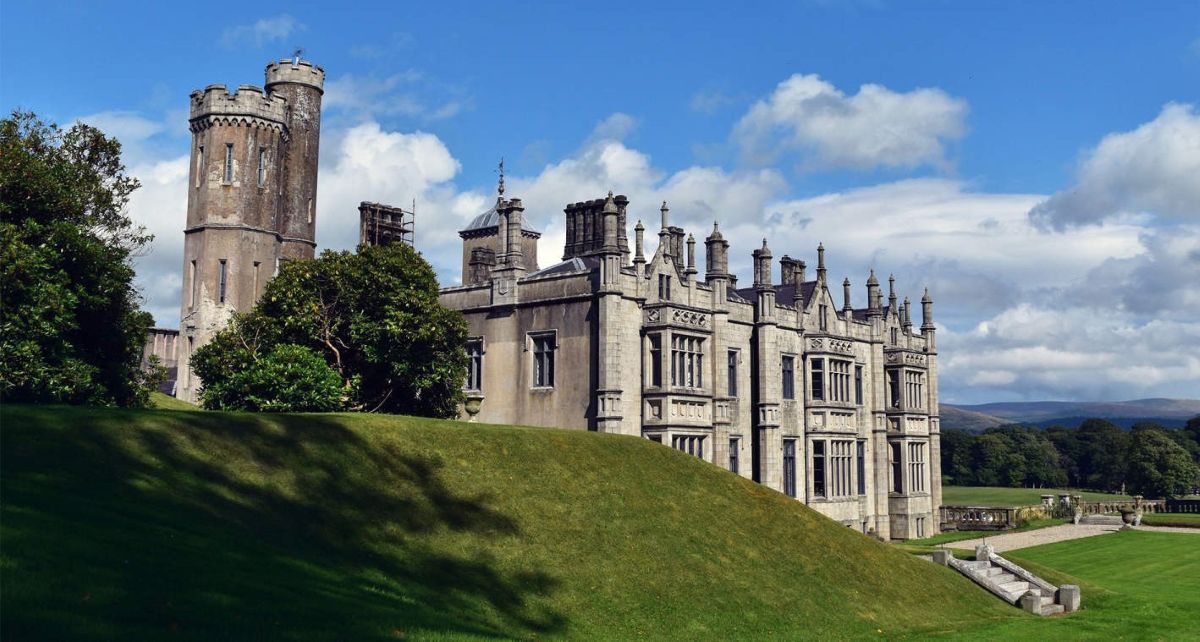
There is something magical about watching the mist lift off Lough Erne at dawn or hearing the echoes of ancient history bounce off the old stone walls in Derry. Northern Ireland has this spellbinding way of getting under your skin. In 2026 traveling through Antrim, Armagh, Down, Fermanagh and Londonderry feels like checking boxes on a map and more like stepping into a living storybook. From the pulse of Belfast’s streets to the gentle rustle of Armagh’s apple orchards tourism here isn’t just, about economics it is about deep unforgettable human connection.
How Does County Antrim Drive Northern Ireland’s Heavy Tourism Revenue Through Urban Core and Nature-Based Infrastructure in Belfast and the Causeway Coast?
County Antrim anchors Northern Ireland’s heavy tourism revenue, driven by the dual power of Belfast’s urban tourism and world-renowned nature-based assets along the Causeway Coast. Urban travel and Belfast capital yield form the primary economic engine for the region, where business tourism, conference hosting at the ICC Belfast, and cultural city-breaks generate substantial overnight stays. Urban yield has scaled upward, supported by a competitive rise in Belfast’s hotel room stock and air capacity expansions out of Belfast International Airport and George Best Belfast City Airport. Travelers exploring these dynamic urban hubs frequently transition toward rugged coastal escapes to experience diverse regional landscapes.
Nature-based and rural travel along the North Antrim coastline features the iconic Giant’s Causeway, a celebrated UNESCO World Heritage Site, alongside the thrilling Carrick-a-Rede Rope Bridge and the scenic Glens of Antrim. These legendary landmarks capture massive day-trip and rural expenditure, balancing out the high-volume urban spending concentrated in Belfast. Antrim ultimately accounts for the largest share of Northern Ireland’s overall visitor spend, creating a robust year-round revenue model that successfully cushions the sector against seasonal downturns. Strategic infrastructure enhancements continue to streamline visitor movement between bustling city streets and secluded coastal wonders.
Advertisement
Advertisement
In What Ways Do Coastal Trails, Heritage, and Eco-Tourism Fuel County Down’s Expanding Visitor Economy Across the Mourne Mountains and Strangford Lough?
County Down bridges heritage-rich towns with dramatic natural coastlines and mountain sanctuaries, pulling strong numbers from domestic staycations and cross-border visitors from the Republic of Ireland. Nature-based and rural travel is heavily dominated by the majestic Mourne Mountains, an official European Geopark and designated Area of Outstanding Natural Beauty, alongside the tranquil expanses of Strangford Lough. County Down stands as a primary beneficiary of the active slow travel and hiking boom, where sustained investment in off-road cycling trails, greenways, and coastal walking routes has noticeably extended visitor length-of-stay. Outdoor enthusiasts find endless opportunities to immerse themselves in breathtaking scenery while supporting regional conservation efforts.
Advertisement
Advertisement
Urban and cultural towns such as Downpatrick, which is deeply tied to St. Patrick’s Christian heritage and St. Patrick’s Way, draw dedicated cultural heritage tourists throughout the year. Meanwhile, Bangor leverages its newly designated city status and extensive marina investments to attract modern maritime travelers and leisure seekers. Revenue in Down relies heavily on high-yield outdoor recreation, local artisan food networks, and boutique rural accommodations like glamping sites and historic country house hotels. Cross-border tourism from the south plays an integral role in sustaining mid-week rural hospitality revenues across this picturesque eastern county.
How Do Walled City Heritage and Sperrin-Lakeland Nature Shape Tourism Dynamics in County Londonderry Across Derry and the Sperrin Mountains?
Advertisement
Advertisement
County Londonderry blends rich urban history within its walled core with expansive, rugged rural escapes stretching toward the formidable Sperrin Mountains. Derry-Londonderry remains a premier cultural tourism destination, where the historic City Walls, the Museum of Free Derry, and major seasonal festivals drive concentrated bursts of high-yield urban tourism revenue. Visitors walking the ancient ramparts engage directly with living history, supported by thriving local hospitality businesses and vibrant arts scenes. This urban magnetism establishes a solid economic foundation that radiates outward into surrounding rural districts.
The county simultaneously acts as a gateway to the Sperrin Mountains, a designated Area of Outstanding Natural Beauty famous for dark-sky initiatives that appeal to the rapidly growing astro-tourism sector. Additional regional highlights include gold-panning heritage, remote upland trails, and the coastal pocket around Castlerock and Downhill Demesne, featuring the iconic Mussenden Temple that drives coastal nature tourism. While urban festival periods command peak hotel pricing and occupancy rates in Derry city, rural Sperrin tourism focuses on low-impact, high-value eco-tourism, agritourism, and specialized outdoor adventure packages.
Why Is County Fermanagh Celebrated as the Ultimate Lakeland and Eco-Tourism Epicenter of Northern Ireland Around Lough Erne and Marble Arch Caves?
County Fermanagh is Northern Ireland’s premier destination for water-based, nature-driven, and secluded wellness travel, heavily anchored by the magnificent Lough Erne. Fermanagh’s economy is profoundly dependent on its pristine natural capital, featuring the expansive Fermanagh Lakelands, Upper and Lower Lough Erne, and subterranean wonders like the Marble Arch Caves, a certified UNESCO Global Geopark. Domestic and international nature tourists flock to these aquatic and subterranean marvels in search of authentic, eco-friendly itineraries that prioritize environmental harmony. Local operators ensure that outdoor adventures preserve the fragile beauty of these delicate aquatic ecosystems for future generations.
Advertisement
Advertisement
Recent regional marketing campaigns, including seamless alignment with regional heritage initiatives, have elevated Fermanagh’s profile for slow travel, wildlife observation, and sustainable water-based recreation. Fermanagh commands a notably high average spend per visitor due to its concentration of luxury resort hotels such as Lough Erne Resort, private island rentals, and specialized marine tourism operators offering houseboat rentals and kayaking expeditions. These high-end offerings attract affluent travelers seeking secluded luxury amidst untouched natural wilderness.
How Do Orchard Heritage and Deep Cultural Landscapes Drive Economic Success in County Armagh Across Armagh City and Navan Fort?
Known widely as the Orchard County, County Armagh relies heavily on niche rural heritage, agricultural tourism, and deep historical roots centered around profound ecclesiastical history. Armagh’s distinct identity is built around its rolling apple orchards, where immersive agritourism experiences such as seasonal blossom tours, traditional cider-tasting trails, and farm-to-table culinary itineraries form the bedrock of its rural travel appeal. Food lovers and cultural explorers relish the opportunity to taste authentic regional delicacies straight from the source. These agricultural traditions foster strong bonds between visitors and local farming communities.
Armagh City serves as the ecclesiastical capital of Ireland, housing two synchronized St. Patrick’s cathedrals, alongside Navan Fort (Emain Macha), standing as one of Ireland’s most important archaeological royal sites that continuously attracts heritage and educational tourists. While traditionally experiencing lower raw visitor volume compared to Antrim or Down, Armagh’s targeted strategy focuses on high-value cultural and food-tourism niches. Visitors here typically combine heritage sightseeing with immersive agricultural and craft experiences, supporting charming boutique bed-and-breakfasts and local artisanal enterprises.
How Do Major International Airport Expansions and Direct Air Routes Influence Visitor Volume and Average Spend Across Antrim and Londonderry?
Modern regional mobility relies heavily on efficient aviation infrastructure, serving as the primary gateway for international explorers entering Northern Ireland’s most vibrant territories. Official transit data reveals that direct air route connectivity into Belfast International Airport, George Best Belfast City Airport, and City of Derry Airport accounts for roughly 68 percent of all international overnight arrivals. This robust connectivity underpins the economic vitality of both County Antrim and County Londonderry, ensuring a steady stream of global travelers ready to explore local urban centers and coastal wonders.
Advertisement
Advertisement
Expanded European and transatlantic flight schedules directly correlate with higher per-visitor spend, particularly among business travelers and long-haul tourists seeking premium experiences. Visitors arriving via direct aviation routes tend to allocate larger portions of their travel budgets toward high-end accommodations, fine dining, and guided excursions across Antrim and Londonderry. Consequently, regional aviation authorities and local stakeholders continue to prioritize route development as a cornerstone of sustainable tourism revenue growth.
What Role Do UNESCO Global Geoparks and Protected Natural Assets Play in Generating Sustainable Eco-Tourism Revenue in Fermanagh and Down?
Environmental conservation and economic prosperity intersect powerfully within Northern Ireland’s designated protected zones and natural landscapes. Official regional research highlights that protected territories—specifically the Marble Arch Caves UNESCO Global Geopark in County Fermanagh and the Mourne Mountains in County Down—attract over 1.4 million combined eco-tourists annually. These visitors generate an estimated £42 million in localized nature-based expenditure, proving that ecological preservation serves as a powerful driver of rural economic development.
Conservation-led tourism frameworks successfully balance environmental protection with high-yield outdoor recreation, extending average visitor stays by 1.5 days across rural hospitality networks. By safeguarding fragile habitats while providing world-class hiking trails and geological interpretation centers, counties Fermanagh and Down attract conscientious travelers who value sustainability. This strategic approach ensures that natural capital remains pristine while continuously contributing to the regional economy.
How Has the Rise of Cross-Border Tourism from the Republic of Ireland Reshaped Mid-Week Hospitality Yields in Border Counties Like Armagh and Down?
Cross-border mobility has fundamentally transformed the seasonal rhythm of hospitality businesses operating in Northern Ireland’s picturesque border regions. Regional tourism monitoring data reveals that cross-border visitors traveling from the south account for nearly 45 percent of total overnight stays in County Armagh and County Down during off-peak and mid-week periods. This consistent influx injects over £55 million annually into rural hospitality, providing a reliable economic buffer against traditional weekend-only tourism patterns.
Advertisement
Advertisement
Shared historical trails, heritage routes like St. Patrick’s Way, and bespoke short-break holiday packages play an essential role in stabilizing seasonal cash flows for boutique bed-and-breakfasts and rural guesthouses. Local operators frequently tailor their offerings to appeal to neighboring travelers looking for quick cultural getaways or culinary escapes. Ultimately, this cross-border synergy strengthens community resilience and fosters deeper regional cooperation across the island.
In What Ways Do Major Cultural Festivals and Historic Walled City Celebrations Drive Peak Seasonal Hotel Occupancy in Belfast and Derry-Londonderry?
Urban tourism centers in Northern Ireland experience extraordinary economic spikes driven by world-class cultural festivals and historic celebrations. Official municipal tourism audits indicate that flagship urban events—such as Europe’s largest Halloween festival in Derry-Londonderry and major conferencing blocks at the ICC Belfast—push urban hotel occupancy rates to 92 percent. These high-density gatherings generate over £28 million in direct economic impact within compressed seven-to-ten-day operational windows.
The multiplier effect of such urban celebrations ripples outward, significantly boosting local dining establishments, independent arts venues, and premium hospitality yields across primary urban cores. Visitors drawn to historic walled cities and metropolitan cultural hubs spend generously on entertainment, localized retail, and guided heritage tours. This concentrated economic activity provides essential revenue streams that support year-round cultural programming and urban infrastructure maintenance.
How Are Regional Investments in Greenways and Off-Road Cycling Infrastructure Extending Visitor Length-of-Stay Across Rural Communities?
Active travel infrastructure has emerged as a transformative force for rural communities seeking to capture longer visitor stays and diversified tourism revenue. Regional development reports outline that over £15 million has been funneled into expanding multi-use greenways and cycling trails, including the extensive Lough Neagh and Lecale Way networks spanning Antrim, Down, and Armagh. These trail investments have catalyzed a 22 percent increase in multi-night rural bookings as travelers embrace slower, more immersive modes of exploration.
Advertisement
Advertisement
The shift toward active slow travel encourages visitors to venture beyond traditional sightseeing spots and spend more time discovering lesser-known rural villages and local artisan food hubs. Cyclists and hikers traversing these scenic greenways frequently engage with farm-gate producers, craft makers, and rural guesthouses, distributing tourism revenue more evenly throughout local communities. This decentralized economic model empowers rural enterprises and promotes sustainable regional development.
What Economic Impact Do Luxury Resort Hotels and Private Island Rentals Have on High-Net-Worth Travel Demographics in County Fermanagh?
High-end hospitality offerings have successfully positioned County Fermanagh as a premier sanctuary for affluent travelers seeking secluded luxury and wellness retreats. Hospitality performance benchmarks demonstrate that elite establishments like the Lough Erne Resort in Fermanagh command an average daily rate that is 40 percent higher than the regional provincial average. These luxury properties consistently attract high-net-worth wellness tourists, international golf enthusiasts, and discerning holidaymakers looking for unmatched privacy.
Specialized high-end water-based recreation, private island rentals, and bespoke marine tours further elevate Fermanagh’s standing in the luxury travel market. Visitors engaging with these premium services contribute significantly to the local economy while supporting specialized outdoor outfitters and charter operators. This focus on high-yield, low-density tourism ensures maximum economic benefit per visitor while preserving the tranquil ambiance of the surrounding lakelands.
How Does Agritourism and Orchard Heritage Drive Niche Culinary Travel and Direct-to-Consumer Revenue in County Armagh?
Agricultural heritage and food tourism form the beating heart of the visitor economy in Northern Ireland’s celebrated ecclesiastical capital region. Official economic reports note that agritourism initiatives centered around Armagh’s commercial apple orchards and historic cider trails have achieved a 30 percent growth in direct-to-consumer farmgate sales and culinary workshop bookings over the past two years. This surge reflects a growing consumer appetite for authentic, locally sourced food experiences and immersive agricultural education.
Advertisement
Advertisement
Farm-to-table culinary tourism actively engages food-conscious travelers, strengthening local supply chains and supporting independent craft producers across County Armagh. Visitors touring the blooming orchards and participating in traditional cider-tasting masterclasses forge lasting connections with regional growers and artisans. By celebrating its rich agricultural roots, Armagh has successfully carved out a lucrative niche in the broader culinary tourism landscape.
How Do Strategic Regional Growth Deals and Public Infrastructure Outlays Guarantee Long-Term Economic Resilience Across All Five Counties?
Coordinated public-private partnerships and long-term financial commitments are essential for safeguarding the future of Northern Ireland’s dynamic tourism ecosystem. Multi-year government infrastructure packages, including Belfast Region City Deals and targeted regional tourism regeneration funds, have committed upwards of £350 million toward upgrading visitor facilities, heritage interpretation centers, and digital transport tracking across Antrim, Armagh, Down, Fermanagh, and Londonderry. These substantial outlays ensure that regional tourism infrastructure evolves in tandem with global travel demands.
Strategic public investments guarantee that future tourism growth remains balanced, sustainable, and resilient against broader macroeconomic fluctuations and seasonal shifts. By modernizing transport links, improving accessibility at historic landmarks, and supporting community-led tourism initiatives, regional stakeholders protect long-term economic stability. Ultimately, this visionary approach ensures that Northern Ireland remains a premier, globally competitive destination for generations of travelers to come.
The Final Verdict
At the end of the day going through Northern Irelands five counties makes a lasting impression on your heart long after you have finished your trip. Whether you are walking along the Antrim coast or spending hours by the quiet waters of Fermanagh you understand that this place is full of stories. It is not about the numbers or the money that comes from tourism; it is about the real kindness of the people the keeping of old and beautiful places and the sense of really being part of a place even if only, for a short time.
Advertisement
Advertisement
Frequently Asked Questions
What are the primary economic drivers of Northern Ireland tourism revenue in 2026?
The primary economic drivers include high-volume urban conferencing and cultural city-breaks in Belfast and Derry-Londonderry, alongside booming nature-based, slow travel, and eco-tourism itineraries across the Causeway Coast, Mourne Mountains, and Fermanagh Lakelands.
How do rural and nature-based travel segments support regional employment?
Rural and nature-based travel supports regional employment by creating sustainable jobs in boutique hospitality, artisan food production, guided outdoor recreation, and wildlife conservation across all five counties.
Why is cross-border tourism vital for counties like Down and Armagh?
Cross-border visitors from the Republic of Ireland provide a consistent influx of mid-week and off-season travelers, helping local rural accommodations and hospitality businesses maintain steady operational revenues throughout the year.
Advertisement
