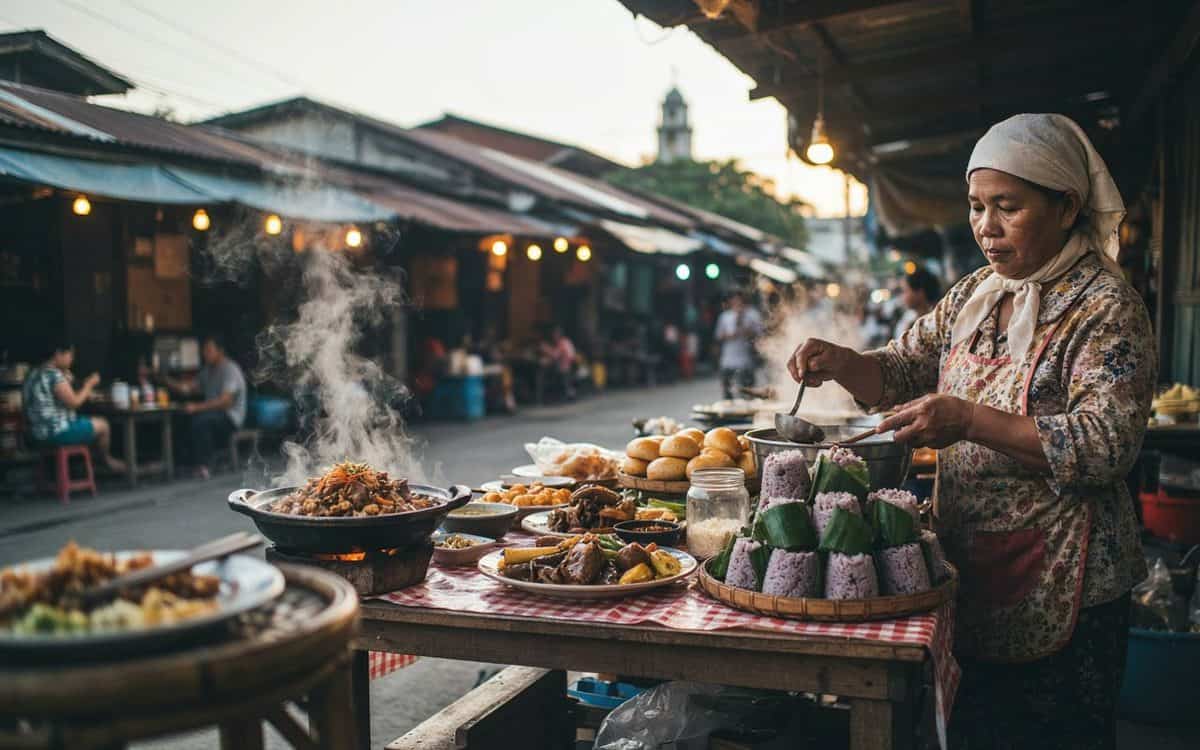
Image generated with Ai
Growing demand for genuine cultural experiences and shifting traveler expectations are driving the growth of Philippine culinary villages. Village kitchens, family recipes, and indigenous cooking methods are creating a powerful new attraction across the country. The reason is simple. Travellers want genuine connections with destinations, not just sightseeing. From Pampanga’s heritage cuisine to remote island communities, authentic food experiences are transforming rural areas into cultural destinations. This culinary movement is helping preserve traditions while creating new opportunities for local communities, farmers, and food artisans.
| Village / Town / Community | Region | Famous Authentic Food Experience | Signature Dishes and Local Flavours | Why Travellers Visit in 2026 | Unique Culinary Experience |
|---|---|---|---|---|---|
| Mexico, Pampanga | Central Luzon | Kapampangan heritage cuisine | Sisig, bringhe, buro, tocino, San Nicolas cookies, heirloom recipes | Pampanga remains one of the Philippines’ strongest food destinations because of its deep culinary history and reputation as the country’s “Culinary Capital.” | Visitors explore ancestral kitchens, traditional cooking techniques, and heritage recipes preserved by local families. |
| Angeles City and surrounding Pampanga villages | Central Luzon | Traditional Kapampangan cooking | Sisig, kare-kare, morcon, stuffed milkfish, local sweets | Food travellers seek authentic versions of Filipino classics rather than commercial interpretations. | Culinary tours combine food tasting with storytelling about Kapampangan culture. |
| Vigan villages | Ilocos Region | Ilocano countryside cuisine | Vigan longganisa, bagnet, pinakbet, empanada | Historic landscapes and preserved traditions make Vigan a major cultural food destination. | Travellers experience local markets, traditional kitchens, and ancestral recipes. |
| Batad and Banaue communities | Ifugao, Cordillera | Indigenous mountain cuisine | Tinawon rice, pinikpikan, native vegetables, mountain-grown ingredients | Travellers looking for indigenous food experiences are increasingly exploring Cordillera communities. | Homestays offer meals prepared using locally grown crops and traditional methods. |
| Sagada villages | Mountain Province, Cordillera | Highland organic food traditions | Mountain coffee, vegetables, native pork dishes, rice-based meals | Sagada attracts slow travellers interested in culture, farming, and sustainable tourism. | Visitors join farm experiences and community meals. |
| Batanes villages | Northern Philippines | Ivatan island cuisine | Uved, vakul-inspired cultural meals, seafood, dried fish, root crops | Batanes is gaining attention for authentic community experiences and indigenous Ivatan culture. | Travellers experience food shaped by isolation, fishing traditions, and island agriculture. |
| Taal and Batangas rural communities | Batangas | Southern Tagalog comfort food | Bulalo, tawilis, lomi, kapeng barako, sinaing na tulingan | Batangas combines food, volcano landscapes, and countryside travel. | Visitors enjoy roadside eateries, farm visits, and heritage food trails. |
| Tagaytay countryside villages | Cavite | Farm-to-table Filipino cuisine | Bulalo, buko pie, fresh produce dishes | Tagaytay continues attracting food-focused travellers because of its cool climate and agricultural surroundings. | Farm restaurants connect visitors directly with local growers. |
| Bohol rural villages | Central Visayas | Island farming and traditional cuisine | Calamay, seafood dishes, local cacao products, native delicacies | Bohol’s tourism growth is increasingly linked with cultural and rural experiences. | Visitors combine countryside tours with local cooking demonstrations. |
| Cebu countryside communities | Central Visayas | Visayan food heritage | Cebu lechon, puso rice, seafood, dried mango products | Cebu remains a major culinary destination with strong regional food identity. | Travellers explore villages where traditional roasting and preparation methods continue. |
| Siargao island communities | Surigao del Norte | Coastal island cuisine | Fresh seafood, kinilaw, coconut-based dishes | Beyond surfing, Siargao is attracting travellers interested in authentic island lifestyles. | Local eateries and community kitchens highlight ocean-to-table dining. |
| Davao rural communities | Mindanao | Indigenous and tropical cuisine | Durian dishes, pomelo, seafood, tribal-inspired food | Davao is becoming recognised for diverse regional flavours and tropical ingredients. | Food experiences connect visitors with farmers and indigenous communities. |
| Iloilo heritage villages | Western Visayas | Ilonggo culinary traditions | La paz batchoy, pancit molo, biscocho, seafood | Iloilo’s food heritage attracts travellers searching for historic Filipino flavours. | Visitors explore old neighbourhoods and family-owned food businesses. |
| Negros countryside villages | Western Visayas | Sugar island cuisine | Chicken inasal, piaya, seafood, local sweets | Negros offers a strong combination of heritage, agriculture, and food culture. | Travellers discover sugar plantations, markets, and traditional cooking. |
| Dagupan communities | Pangasinan | Seafood-based local cuisine | Bangus dishes, pigar-pigar, kaleskes | Dagupan is recognised for its seafood traditions, especially bangus-based cuisine. | Visitors experience local seafood markets and regional cooking styles. |
| Rosario and Lipa villages | Batangas | Traditional Batangas cuisine | Sinukmani, lomi, goto Batangas, kalamay | Rural Batangas preserves strong family food traditions. | Travellers experience homemade dishes connected with festivals and celebrations. |
The Philippines is experiencing a shift in culinary tourism as international travellers move beyond popular city restaurants and beach destinations to discover villages where traditional food remains closely connected to local history. In 2026, food is becoming more than a travel attraction. It is becoming a gateway to understanding Filipino communities, landscapes, and traditions.
Travellers are increasingly searching for meals prepared through generations-old techniques, locally sourced ingredients, and stories behind every dish. Rural destinations are benefiting from this demand because village cuisine provides something modern tourism often struggles to offer: genuine cultural immersion.
From wooden kitchens in Pampanga to mountain farms in Ifugao and island homes in Batanes, visitors are finding that authentic Filipino flavours are often preserved outside major urban centres. Culinary experiences now include cooking demonstrations, farm visits, market walks, and community dining rather than simple restaurant visits.
Advertisement
The growth of Philippine food tourism reflects a global movement toward meaningful travel. Visitors want to understand where ingredients come from, who prepares their meals, and why certain dishes represent a community’s identity. Research into the Philippine culinary tourism sector highlights increasing interest in local cuisine, gastronomic tours, cooking classes, and food-based cultural experiences.
This transformation is helping smaller communities gain visibility while allowing residents to preserve culinary traditions that might otherwise disappear. Food villages are becoming cultural ambassadors, showing travellers that Filipino cuisine is diverse, regional, and deeply connected to geography.
Among all Philippine destinations, Pampanga remains one of the strongest symbols of heritage food tourism. Known for generations as a centre of sophisticated cooking traditions, the province continues attracting travellers searching for authentic Kapampangan flavours.
The region’s villages and heritage communities have transformed traditional kitchens into culinary attractions where visitors can experience dishes prepared using old family methods. The province’s cuisine is recognised for bold flavours, creative techniques, and a strong connection to celebrations and family gatherings.
Advertisement
Advertisement
Visitors exploring Pampanga can discover iconic dishes such as sisig, bringhe, buro, morcon, and native sweets. These foods represent centuries of cultural influences blended with local ingredients.
The Department of Tourism promotes Pampanga through slow food journeys that highlight heritage recipes, traditional craftsmanship, local markets, and cooking demonstrations. These experiences connect visitors with cooks, artisans, and communities rather than only showcasing finished dishes.
The village-based culinary movement has also strengthened Pampanga’s global reputation. Angeles City, located within the province, has gained international attention for its food culture, especially its famous sisig and diverse culinary offerings.
For travellers in 2026, Pampanga represents more than a place to eat. It offers a journey into Filipino culinary history where every recipe carries memories, traditions, and community stories.
The mountainous villages of the Cordillera region are becoming increasingly attractive to travellers seeking indigenous food experiences. These communities offer a different perspective on Filipino cuisine, shaped by highland agriculture, climate, and centuries-old traditions.
In areas such as Ifugao and Mountain Province, food is closely linked with farming practices. Traditional rice varieties, native vegetables, and locally raised ingredients form the foundation of community meals.
Travellers visiting these villages often experience food through homestays and cultural activities. Instead of eating in commercial establishments, guests share meals prepared by local families and learn how ingredients are harvested and transformed into traditional dishes.
The Ifugao community has also participated in culinary workshops focused on strengthening community-based tourism and promoting local flavours.
Mountain cuisine reflects the relationship between people and the environment. Native rice, preserved foods, and mountain-grown produce demonstrate how communities adapted their cooking methods to their surroundings.
In 2026, these experiences appeal strongly to travellers interested in sustainable tourism. Visitors are not only tasting food but also supporting farmers, preserving indigenous knowledge, and contributing to rural economies.
The Cordillera food journey represents a growing movement where indigenous cuisine becomes a powerful tool for cultural preservation and tourism development.
Batanes is gaining attention among travellers looking for remote destinations where food traditions remain strongly connected to nature and local lifestyles. The northern island province offers a culinary identity shaped by isolation, fishing, farming, and the resilience of the Ivatan people.
Villages such as Chavayan and Savidug on Sabtang Island provide opportunities for visitors to experience traditional homes, local hospitality, and indigenous cuisine.
Ivatan food reflects the island environment. Traditional dishes often rely on preserved ingredients because communities historically needed methods to store food during difficult weather conditions.
Popular local flavours include luñis, a slow-cooked pork dish preserved with salt, vunes made with taro stalks, and uved, a traditional dish prepared using local ingredients.
For modern travellers, Batanes offers something increasingly rare: food experiences connected directly to place. Meals are not simply prepared for tourists but remain part of everyday community life.
The destination’s appeal in 2026 comes from authenticity. Visitors are attracted by the chance to sit with local families, explore traditional villages, and understand how island geography shaped the cuisine.
Batanes demonstrates how remote communities can compete in global tourism by protecting their cultural identity rather than changing it.
Batangas is emerging as another important destination for travellers seeking traditional Filipino flavours combined with rural experiences. Located close to Metro Manila, the province offers accessibility while maintaining strong culinary traditions.
The region is famous for dishes including bulalo, lomi, sinaing na tulingan, and kapeng barako. These foods represent Batangas’ agricultural and fishing heritage.
Village food experiences in Batangas often combine dining with visits to farms, coffee plantations, and lakeside communities. Travellers can explore how local ingredients move from farms and waters into traditional kitchens.
The province’s connection with Taal Lake also contributes to its unique food identity. Freshwater fish and locally produced agricultural goods remain central to many community meals.
In 2026, Batangas benefits from the growing demand for short countryside escapes. Travellers are increasingly choosing destinations where they can combine food discovery, nature, and cultural learning.
Rather than focusing only on famous restaurants, visitors are exploring small eateries, family-run businesses, and local producers that represent the true character of the region.
The islands of the Visayas are strengthening their position as culinary destinations by showcasing seafood traditions, regional recipes, and community-based food experiences.
Cebu, Bohol, Iloilo, and Negros each offer distinct culinary identities shaped by their landscapes and histories.
Cebu is internationally recognised for lechon, while Iloilo is famous for dishes such as La Paz batchoy and pancit molo. Negros combines agricultural heritage with flavours including chicken inasal and local sweets.
Island communities are particularly attractive to travellers because food is closely connected with the sea. Fresh seafood, coconut-based dishes, and traditional cooking methods remain central to everyday life.
Siargao is also expanding beyond its surfing reputation by attracting visitors interested in local island culture and ocean-to-table dining experiences.
These destinations demonstrate the diversity of Filipino cuisine. There is no single Filipino food identity. Instead, each island and village contributes unique flavours shaped by geography, history, and community traditions.
For international travellers in 2026, exploring Visayan food villages offers a chance to discover the Philippines through regional stories rather than standard tourist menus.
Philippine food villages are becoming powerful tourism assets because they combine culture, sustainability, and economic opportunities for local communities.
The future of culinary travel is moving toward authentic experiences where visitors participate rather than simply observe. Philippine villages are responding by creating food trails, cooking workshops, farm visits, and heritage tours.
These experiences benefit multiple sectors. Farmers gain new markets. Local cooks preserve traditional recipes. Communities create employment opportunities. Travellers receive meaningful experiences connected with real Filipino life.
The country’s culinary tourism growth shows that food can become a major reason for travel. Villages that protect their traditions are gaining international recognition because authenticity has become one of the most valuable elements in modern tourism.
From Pampanga’s legendary kitchens to Batanes’ island traditions and Cordillera’s indigenous meals, Philippine villages are proving that the future of travel is not only about seeing new places. It is about tasting their stories.
In 2026, these communities are transforming food into a bridge between travellers and Filipino heritage, creating a culinary journey that is local, memorable, and globally competitive.
The rise of Philippine culinary villages is driven by changing traveller expectations and a growing demand for authentic cultural encounters. Visitors increasingly choose destinations where food tells a story and communities share their heritage. The answer lies in combining traditional cuisine with immersive tourism experiences, including local markets, cooking activities, and village-based dining. These experiences create stronger connections between travellers and Filipino culture. The reason behind this transformation is the global shift toward meaningful travel that supports local economies. As interest continues to grow, Philippine food villages are becoming powerful gateways to discover the nation’s identity through unforgettable flavours.
Advertisement
Advertisement
Advertisement












Wednesday, September 2, 2026

Tuesday, September 1, 2026

Wednesday, September 2, 2026

Wednesday, September 2, 2026

Tuesday, September 1, 2026

Tuesday, September 1, 2026

Tuesday, September 1, 2026

Tuesday, September 1, 2026



