
UAE Adjoins With Switzerland And Others To Revolutionize Global Air Baggage Systems With AI

Published
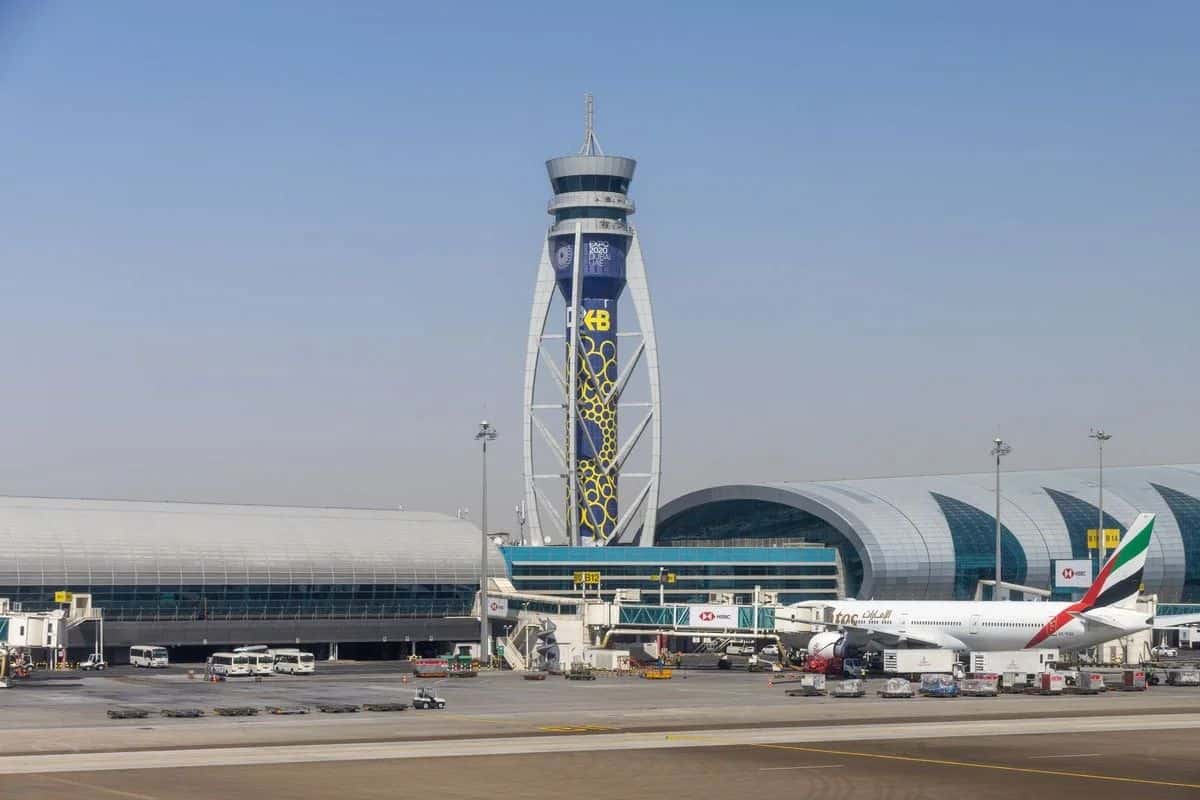
UAE partners with Switzerland and others to reinvent air baggage systems with AI. Airports are plagued by millions of bags lost everyday. But a new smart technology is coming that stops all of this instantly.
Air transport systems are undergoing a revolution as modern airports such as those in Switzerland, the UAE, America, and South Korea adopt AI plus high-tech tracking systems that detect and avoid bottlenecks in conveyor belts. As a result, passengers are given access to real-time information on baggage location through apps that enable them to track their bags and prevent loss completely. In addition, modern automatic systems guarantee seamless transfer of bags at busy international hubs.
Advertisement
Advertisement
Modern aviation logistics is undergoing a radical digital transformation through the integration of permanent Bluetooth Low Energy tags, real-time Radio Frequency Identification grids, and artificial intelligence flow optimization. This innovative ecosystem entirely eliminates historical passenger anxiety regarding lost luggage by delivering live, end-to-end digital tracking across complex international terminal networks. Global aviation authorities are successfully shifting from reactive baggage management to predictive, automated control systems that safeguard every single suitcase.
How Do Smart RFID Reader Grids Prevent Transfer Delays?
Modern mega-transit hubs are implementing automated high-speed Radio Frequency Identification reader grids to process millions of transfer bags seamlessly without requiring direct line-of-sight scanning. These sophisticated wireless infrastructure networks capture unique electronic product codes instantaneously as luggage moves across high-speed conveyor belts and complex terminal junctions. This continuous data capture ensures that ground handling teams can identify misplaced items immediately long before a connection is missed. Consequently, international airports drastically reduce manual intervention while simultaneously accelerating aircraft turnaround times across major international hubs.
Advertisement
Advertisement
To explore official international aviation guidelines and global software interoperability standards for smart baggage networks, visit the International Air Transport Association (IATA) Baggage Standards Hub.
What Role Does Software Standardization Play Globally?
International software standardizations spearheaded by organizations like SITA are establishing universal communication protocols required for seamless global baggage tracking integration. These standardized messaging architectures bridge fragmented airline systems, allowing disparate carriers to share real-time baggage information messages effortlessly across international boundaries. By unifying disparate data streams into a single standardized platform, airports and ground handlers can track multi-airline journeys accurately from initial check-in to final carousel delivery. This collaborative digital foundation guarantees that passengers experience consistent transparency regardless of which global alliance or connecting carrier they choose.
Advertisement
Advertisement
“This groundbreaking technological shift redefines the entire passenger journey by turning a historically stressful airport experience into a completely transparent, friction-free process. When global aviation leaders like Switzerland, the UAE, America, and South Korea unite through smart software standardization and predictive artificial intelligence, they eliminate the root causes of lost luggage forever. Ground crews now possess real-time visibility into every single suitcase moving across complex terminal networks, while travelers enjoy ultimate peace of mind directly from their mobile devices. Ultimately, this seamless integration of RFID grids, BLE tags, and machine learning sets a magnificent new gold standard for worldwide air travel reliability.”
— Anup Kumar Keshan, Founder and Editor-in-Chief, Travel And Tour World
Advertisement
Advertisement
Why Are Real-Time Passenger App Notifications Essential?
Major domestic carriers are rapidly rolling out real-time passenger app notifications that track crucial baggage milestones directly on mobile devices throughout the entire travel journey. Travelers can now monitor their personal suitcases moving seamlessly from check-in desks and security checkpoints straight to the final arrival carousel. This unprecedented level of digital visibility empowers passengers with absolute peace of mind while significantly reducing customer service inquiry volumes at busy airport terminals. Ultimately, proactive mobile alerts turn a historically stressful phase of air travel into an engaging, transparent, and thoroughly modern consumer experience.
How Does Sensor-Driven Belt Logistics Achieve Near-Zero Errors?
Advanced international facilities like Incheon International Airport utilize sensor-driven belt logistics powered by machine learning algorithms to forecast luggage choke points before physical conveyor jams can ever occur. These intelligent algorithms continuously analyse live equipment throughput data to dynamically reroute bags across alternative terminal paths when congestion or mechanical slowdowns threaten normal operations. By treating every single piece of luggage as an active timing decision rather than a fixed conveyor trip, these smart systems maintain remarkably low mishandling rates. Modern predictive engineering successfully turns vulnerable physical bottlenecks into highly resilient, self-optimizing aviation networks that consistently outperform legacy industry standards.
Here is a precise summary table mapping out the technological pillars, global implementations, and operational impacts of AI-driven baggage routing systems:
| Country & Hub | Core Technology Focus | Operational Impact & Benchmark |
| Switzerland (SITA) | International software standardizations and universal communication tracking protocols. | Connects fragmented global airline systems to establish seamless data exchange architectures. |
| United Arab Emirates (Mega-Hubs) | Automated, high-speed Radio Frequency Identification (RFID) reader grids. | Processes massive transfer volumes instantaneously without line-of-sight scanning limitations. |
| United States (Major Carriers) | Real-time passenger app notifications tracking key baggage milestones. | Empowers travelers with absolute visibility from check-in desks straight to the arrival carousel. |
| South Korea (Incheon Airport) | Advanced sensor-driven belt logistics and machine learning anomaly detection. | Maintains near-zero mishandling rates by predicting conveyor jams and sorting errors before they occur. |
Ultimately this technological revolution will restore confidence in air travel. There is no more lost luggage. The airports function smoothly. The use of AI in routing ensures that there will be no congestion in the terminals as it can predict any possible blockage. Since traditional barcodes are rendered useless smart RFID and BLE tags can provide the necessary information leading to almost zero mishandling of luggage worldwide.
Image Source: Getty Images
Advertisement
