
Dominican Republic Just Broke The Internet By Triggering A Massive Global Travel Wave, This Unreal Hospitality Sector Inbound Tourism Tidal Wave Has Left The Entire World Completely Shook

Published
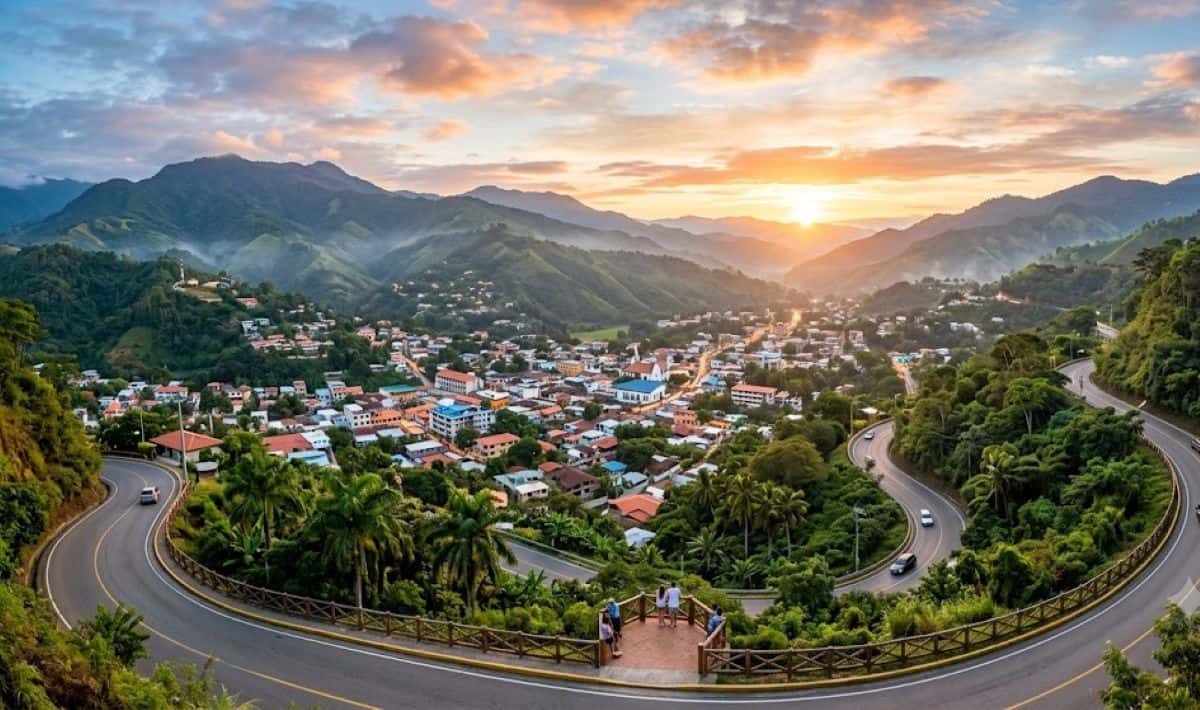
The Dominican Republic has officially shocked the global travel industry by orchestrating an absolute tourism miracle. Shattering every previous metric on the books, this vibrant island jewel welcomed a jaw-dropping 11,676,901 international visitors, firmly crowning itself as the undisputed titan of Caribbean hospitality. For anyone tracking global travel patterns, what transpired over the past twelve months was not merely a steady recovery, but an explosive, unprecedented boom that left rival regional destinations completely in the dust.
By aggressively deploying a dual-engine growth strategy that synchronized massive infrastructure investments with highly targeted marketing campaigns, the nation captured an astonishing slice of global wanderlust. Holidaymakers converged on the country’s sun-drenched coastlines in numbers never seen before in human history. Millions of eager travelers packed flights and boarded mega cruise ships to experience the legendary hospitality, pristine white sands, and lush tropical landscapes that define this island paradise.
The economic and social impact of this travel phenomenon is reverberating across every single province of the nation. Beyond the sheer, dizzying optics of the raw data, this historic influx injected billions of dollars directly into local communities, driving infrastructure development and securing employment for hundreds of thousands of citizens. From the bustling luxury enclaves of Punta Cana to the newly awakened maritime frontiers of the deep south in Pedernales, the country has fundamentally rewritten the playbook on tropical destination management.
Dominican Republic Hospitality Sector Tourism Arrivals Boom: How This Caribbean Paradise Smashed a Historic Record!
Advertisement
Advertisement
The monumental Dominican Republic hospitality sector tourism arrivals boom has completely rewritten global travel history by welcoming a mind-boggling 11,676,901 international visitors to set a magnificent historic record. Consequently, this unparalleled surge in holidaymakers has firmly crowned the vibrant island nation as the absolute, undisputed titan of Caribbean hospitality. While rival tropical destinations struggled to match this staggering pace, the country left competitors completely in the dust by implementing an aggressive infrastructure development master plan. Millions of eager wanderlust travelers packed flights and boarded mega cruise ships to experience the legendary cultural warmth, pristine white sands, and lush tropical landscapes.
Ultimately, this explosive economic phenomenon generated billions of dollars in revenue that now flow directly into local coastal communities and historical towns. From the sprawling, sun-drenched luxury enclaves of Punta Cana to the newly awakened eco-tourism maritime frontiers of the deep south, the country has engineered an absolute tourism miracle. This deep dive report provides an exhaustive, analytical exploration of the strategic breakthroughs and massive geographic expansions that fueled this historic milestone.
Advertisement
Advertisement
Why Did Global Holidaymakers Overwhelmingly Choose the Dominican Republic Hospitality Sector Over Alternative Tropical Resorts?
The spectacular surge to victory achieved by the local hospitality market was driven by an uncompromising, strategic commitment to premium infrastructure upgrade programs and highly diversified vacation offerings. Instead of relying solely on its world-famous beaches, the Ministry of Tourism successfully promoted eco-adventure pathways, rich colonial heritage safaris, and elite gastronomic experiences. This multifaceted approach successfully captured the imagination of high-spending global demographic segments who demand far more than a standard all-inclusive resort stay. The country repositioned itself not just as a sun-and-sand escape, but as a rich cultural tapestry waiting to be explored by discerning adventurers.
Furthermore, seamless air connectivity enhancements played a deeply pivotal role in transforming this tropical dream into an easily accessible reality for millions of global jetsetters. By establishing fresh direct flight routes and expanding terminal capacities, the nation made traveling to this island paradise entirely effortless and highly efficient. The irresistible combination of ultra-luxury accommodation choices, intense safety protocols, and genuine local warmth created an unstoppable magnetic pull that international holidaymakers simply could not resist. This proactive aviation policy ensured that airlines could continuously scale up their weekly frequencies from major international transport hubs without encountering any operational bottlenecks.
How Did Punta Cana International Airport Solidify Its Absolute Position as the Ultimate Aviation Powerhouse of the Caribbean?
The iconic Punta Cana International Airport completely solidified its status as the ultimate aviation powerhouse of the Caribbean by processing a staggering 5.4 million passengers. This single, privately managed gateway effortlessly absorbed an unbelievable 61% of all non-resident air arrivals, proving that the eastern coast remains the absolute heartbeat of the nation’s holiday appeal. Travelers from every corner of the earth streamed through this beautifully designed, palm-thatched terminal to kickstart their tropical escapes. The airport served as the primary logistical funnel, effortlessly turning massive global demand into a beautifully executed, real-time welcome experience.
The sheer operational velocity of this terminal during peak holiday seasons was nothing short of extraordinary, culminating in unprecedented single-day arrival milestones. On December 20 alone, an all-time record of 42,494 passengers passed through the arrival gates within a frantic, highly synchronized twenty-four-hour window. This spectacular logistical feat proved to global aviation networks that the island possesses the world-class infrastructure required to manage immense travel volumes seamlessly. Continuous investments in biometric customs processing and runway expansions allowed the facility to scale up its operations without sacrificing consumer satisfaction.
Advertisement
Advertisement
Can the High-Powered Transformation of Cabo Rojo in Pedernales Successfully Redefine the Country’s Southwest Maritime Frontiers?
The most sensational success story of the year undoubtedly belongs to the remote southwestern frontier of Cabo Rojo located within the pristine Pedernales province. Once a quiet, untouched coastal stretch, this newly inaugurated maritime terminal experienced a mind-boggling 1,420% growth explosion by welcoming 176,690 enthusiastic cruise passengers. This dramatic emergence represents a deliberate and highly successful government master plan aimed at decentralizing tourism wealth away from traditional northeastern hotspots. By showcasing the raw, dramatic beauty of the southwest, the country opened up an entirely new geographic canvas for international exploration.
By opening up forty-two distinct cruise ship docking operations, this eco-sensitive terminal introduced international travelers to a spectacular wilderness of untouched dramatic cliffs and hyper-clear waters. The rapid expansion of this southern gateway has successfully put the deep southwest on the global map, proving that sustainable cruise shipping can coexist beautifully with pristine nature preservation. This geographical expansion ensures that the economic fruits of the travel boom are distributed to historically underdeveloped communities. Local entrepreneurs and regional artisans have suddenly found themselves connected directly to the lucrative global tourism supply chain.
What Specific Financial Influx and Societal Impact Did This Astonishing Dominican Republic Tourism Boom Deliver to Local Communities?
The monumental surge in international arrivals acted as a high-powered economic engine, injecting vital funds that now account for roughly 16% of the national Gross Domestic Product. This massive financial windfall directly sustained over 600,000 secure jobs, providing reliable livelihoods for local families ranging from hotel staff to independent tour guides. The hospitality industry has firmly established itself as the foundational backbone of the entire Dominican socioeconomic fabric. This multi-billion-dollar influx has strengthened the national currency and created a highly stable environment for foreign direct investments.
Moreover, the incredible influx of foreign capital sparked a profound transformation in public infrastructure projects, funded directly by soaring tourism revenues. Remote coastal towns received extensive road connectivity upgrades, advanced water treatment plants, and state-of-the-art security installations to accommodate the growing visitor volumes. This symbiotic relationship ensures that the historic travel boom significantly elevates the everyday living standards of the local population. The government has successfully channelled private hospitality profits into public goods, creating a highly sustainable model of national development.
Advertisement
Advertisement
Which Source Markets Fueled This Unprecedented Surge of High-Spending International Holidaymakers to Santo Domingo and Bavaro?
North America comfortably maintained its absolute position as the foundational powerhouse of Dominican inbound travel, with the United States independently commanding an incredible 52% market share. Millions of American and Canadian travelers fled cold winters to seek refuge in the reliable warmth of the island’s world-class resorts. This consistent, high-volume corridor provided a steady, predictable stream of revenue for luxury hoteliers and local excursion companies alike. Traditional marketing campaigns in key cities like New York, Miami, and Toronto paid off handsomely by keeping the destination top-of-mind.
Simultaneously, an explosive, hyper-dynamic 24% growth surge from the South American market completely transformed the visitor demographic landscape. Emerging economic powerhouses, most notably Argentina and Colombia, sent record numbers of passionate travelers to explore the historic streets of Santo Domingo and the beaches of Bavaro. This brilliant market diversification successfully insulated the local hospitality sector from economic fluctuations in any single foreign region. By capturing the imagination of affluent South American travelers, the destination has guaranteed year-round high occupancy rates.
The Final Verdict
The miraculous, record-shattering tourism triumph of the Dominican Republic was caused by an aggressive, government-backed infrastructure revolution and seamless public-private collaborations. The definitive answer to this historic boom lies in the nation’s ability to successfully expand its geography, moving beyond Punta Cana to develop frontiers like Cabo Rojo. The fundamental reason for this enduring success is that the country built world-class airport and cruise facilities capable of processing over 11.6 million visitors efficiently. Ultimately, this strategic vision has permanently elevated the nation’s economy, transforming the island into a benchmark model for global hospitality excellence.
Advertisement
