
Asia Visa Shock Disrupts Philippines, Vietnam, Indonesia, Palestine, Iran, Jordan and Several other Countries While Travellers Face Strict Cabo Verde Entry Rules as New Immigration List Reshapes Global Tourism Access and Mobility Pathways, The Full Story Revealed

Published
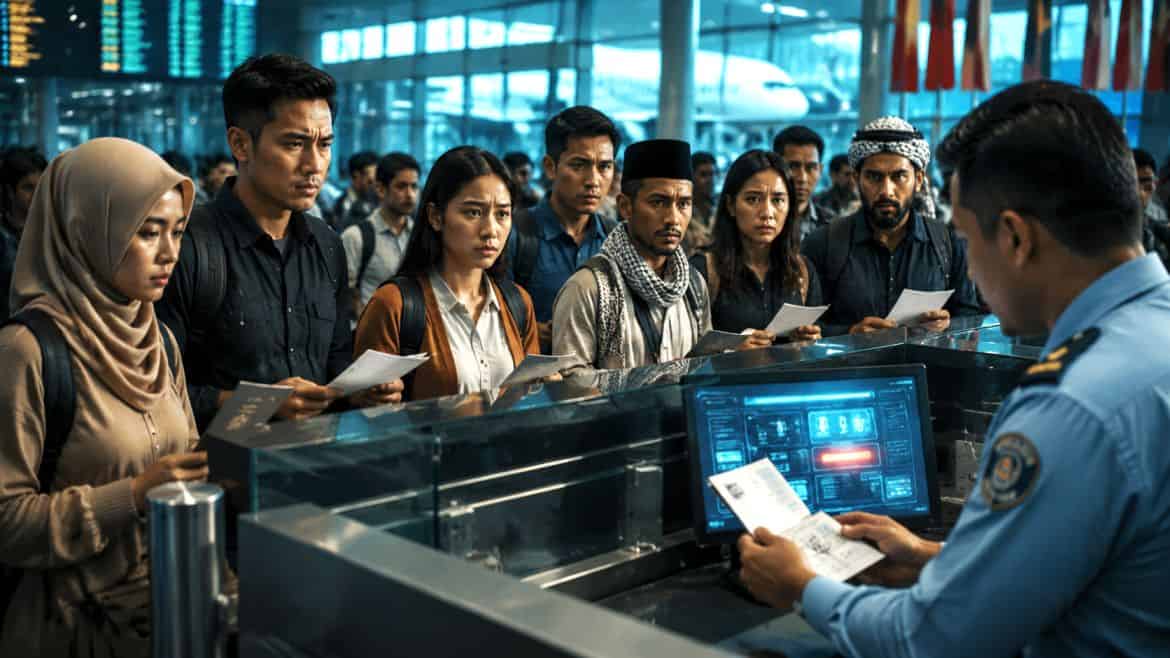
The latest Cabo Verde immigration framework introduces a significant shift in international mobility, especially for travellers from Asia. Countries such as Philippines, Vietnam, Indonesia, Palestine, Iran and Jordan are directly affected under a strict entry classification system. The policy defines who must obtain a visa before arrival and who may be allowed transit access. This development has serious implications for global travel planning and Tourism flows. Cabo Verde, a growing Atlantic destination, is tightening controls while still promoting controlled access through Visa-on-Arrival mechanisms and regulated entry approvals. The system reflects a wider global trend where border management is becoming more structured, conditional and document-intensive for travellers.
Asia Visa Classification: Full List of 27 Affected Countries
The Cabo Verde visa policy identifies 27 Asian countries under mandatory visa or transit requirements. These nations are subject to structured entry conditions, meaning travellers must prepare documentation in advance or follow Visa-on-Arrival approval rules depending on eligibility.
Advertisement
Advertisement
Asia Countries Under Cabo Verde Visa Requirement
| No. | Country |
|---|---|
| 1 | Afghanistan |
| 2 | Armenia |
| 3 | Azerbaijan |
| 4 | Bahrain |
| 5 | Bangladesh |
| 6 | Bhutan |
| 7 | Brunei |
| 8 | Cambodia |
| 9 | Kazakhstan |
| 10 | North Korea |
| 11 | Yemen |
| 12 | Iran |
| 13 | Iraq |
| 14 | Jordan |
| 15 | Kyrgyzstan |
| 16 | Laos |
| 17 | Lebanon |
| 18 | Mongolia |
| 19 | Myanmar |
| 20 | Nepal |
| 21 | Oman |
| 22 | Palestine |
| 23 | Pakistan |
| 24 | Philippines |
| 25 | Sri Lanka |
| 26 | Syria |
| 27 | Turkmenistan |
This structured classification directly affects Tourism mobility patterns across Asia. Travellers from these countries must ensure visa readiness before departure to avoid delays at Cabo Verde entry points. The list reflects a controlled but not closed system, where Visa-on-Arrival and pre-approval pathways still exist depending on documentation strength and travel category.
Cabo Verde Immigration Framework and Its Global Significance
The Cabo Verde immigration framework is designed to regulate entry for travellers based on nationality and purpose of travel. The system divides countries into categories requiring visas before arrival or upon landing. This structure directly influences Tourism flows and international mobility routes. Cabo Verde has positioned itself as both a controlled entry destination and an emerging Tourism hub in West Africa. The framework ensures border security while still allowing structured Visa-on-Arrival pathways for eligible travellers. It also introduces transit visa requirements for passengers passing through airports. As a result, Cabo Verde becomes a regulated but accessible destination for global visitors.
Advertisement
Advertisement
Asian Countries Affected Under the Visa Requirement List
The policy highlights 27 Asian countries, including Afghanistan, Bangladesh, Nepal, Pakistan, Philippines, Vietnam, Indonesia, Iran and Jordan. These nations fall under mandatory visa requirements for entry or transit into Cabo Verde. This classification impacts both Tourism and business travel planning. Travellers from these regions must prepare documentation in advance or risk delays upon arrival. The inclusion of multiple Asian countries reflects a broader regulatory approach rather than regional exclusion. Cabo Verde continues to maintain controlled access while allowing structured Visa-on-Arrival procedures for selected cases. This system influences how Asia connects with emerging Tourism destinations in West Africa.
Understanding Visa-on-Arrival Rules and Entry Flexibility
Visa-on-Arrival plays a crucial role in Cabo Verde’s entry system. It allows eligible travellers to obtain permission upon landing rather than applying beforehand. However, this flexibility is conditional and depends on nationality and documentation. For many Asian travellers, Visa-on-Arrival is not guaranteed and may require pre-approval. Tourism planners must understand that Cabo Verde uses a hybrid system combining pre-entry checks and airport processing. This ensures controlled entry while maintaining Tourism accessibility. The Visa-on-Arrival option is mainly designed to support short-term visits, especially for holiday travellers and business visitors arriving through approved international airports.
Advertisement
Advertisement
Transit Visa Regulations and Airport Movement Rules
Cabo Verde also enforces transit visa rules for passengers who are not entering the country for long stays. This applies to travellers who land in Cabo Verde while connecting to another destination. Even in transit zones, some nationalities must obtain clearance before continuing their journey. This regulation affects Tourism routes and airline connectivity strategies. The system ensures that all passengers moving through international airports comply with immigration requirements. For Asian travellers, understanding transit rules is essential when planning multi-stop journeys. Without proper documentation, even short layovers may result in entry restrictions or delays at airport checkpoints.
Scope of Application Across Entry and Transit Categories
The application scope of Cabo Verde’s visa policy extends to both entry and transit scenarios. It covers travellers entering the country as well as those passing through international airport zones. This means that Tourism planning must account for all movement types. The policy ensures that no traveller bypasses immigration control regardless of travel intent. Even short airport stops are regulated under the same framework. This approach strengthens border management while maintaining controlled Tourism access. It also reinforces the importance of pre-travel preparation, especially for travellers from Asia who are more likely to fall under visa requirement categories.
Exemptions and Special Cases Under Immigration Law
Cabo Verde’s immigration policy includes several exemptions that reduce travel restrictions for specific groups. Airline crew members, diplomatic travellers and residents of certain countries are not subject to standard visa requirements. These exemptions also extend to individuals holding special international travel documents. Tourism professionals and official travellers may benefit from simplified entry procedures. The exemption system ensures that essential travel is not disrupted while maintaining border integrity. For Asia travellers, understanding exemption categories is important, especially for those holding multiple residency permits or dual nationality status. These exceptions significantly influence how international Tourism flows are managed.
Residence Permits and Their Strategic Travel Advantage
Holding a valid residence permit from regions such as the European Union, United Kingdom, United States or Canada offers a major advantage under Cabo Verde’s system. These permits can simplify entry and reduce visa processing requirements. For Asian travellers, this becomes a strategic pathway into Cabo Verde Tourism routes. Many travellers from Asia who reside abroad benefit from faster clearance processes. The policy recognises global mobility patterns where residence status often matters more than nationality. This creates alternative Tourism access channels and encourages multi-regional travel connectivity across Europe, North America and West Africa.
EU, UK and US Documentation Benefits for Asian Travellers
Asian travellers holding valid residence permits or long-term visas from EU countries, the UK or the United States often experience smoother entry into Cabo Verde. These documents demonstrate strong travel credibility and financial stability. As a result, they can reduce the complexity of Visa-on-Arrival processing or pre-approval requirements. Tourism operators frequently use this pathway for premium travel packages. It also encourages diaspora travel and international Tourism integration. This system highlights how global mobility is interconnected, where documentation from one region can influence entry access in another, particularly within emerging destinations like Cabo Verde.
Airline Crew, Diplomatic and Official Travel Exemptions
Airline crew members and diplomatic passport holders are generally exempt from standard visa restrictions under Cabo Verde’s immigration rules. These exemptions ensure operational efficiency for international flights and government missions. Tourism is indirectly supported by maintaining stable aviation operations. Official travellers invited by Cabo Verde authorities may also receive courtesy or diplomatic visas. This ensures that international cooperation and tourism development programs continue without disruption. For Asian countries engaged in bilateral agreements, these exemptions provide structured pathways for official travel while maintaining the overall integrity of Cabo Verde’s border control system.
Advertisement
Advertisement
South Asian Travel Impact and Documentation Challenges
South Asian countries such as Bangladesh, Nepal, Pakistan and Sri Lanka face significant documentation requirements under this system. Travellers from these nations must prepare visas in advance or rely on structured Visa-on-Arrival approvals. Tourism from these regions depends heavily on proper documentation and financial proof. Airline routing via Europe or Africa becomes essential for smoother entry. Cabo Verde remains accessible but requires careful planning. These requirements reflect a global shift toward stricter border management. Despite challenges, Tourism demand from South Asia continues to grow, especially for island destinations and emerging Atlantic travel routes.
Southeast Asian Mobility and Tourism Pathways
Southeast Asian countries including Vietnam, Indonesia and the Philippines are part of the regulated visa list. Travellers from these nations often rely on transit hubs such as Lisbon or Casablanca to reach Cabo Verde. Tourism operators recommend early preparation of documents and confirmed bookings. Visa-on-Arrival may be limited depending on individual circumstances. However, structured entry pathways still support Tourism growth. The region shows strong outbound travel demand, and Cabo Verde’s positioning as an island destination increases its appeal. Proper planning ensures smoother mobility across continents and reduces airport processing delays.
West Asian and Middle Eastern Travel Considerations
Countries such as Iran, Iraq, Jordan, Palestine and Yemen are included under strict visa requirements. Travellers from these regions must follow pre-approval processes or embassy-based applications. Tourism mobility is highly documentation-dependent. Transit routes via European or North African hubs are commonly used. Cabo Verde maintains controlled access while still allowing structured entry pathways for approved travellers. This ensures security compliance while supporting global Tourism engagement. The system reflects broader international travel governance trends where mobility is increasingly regulated through layered approval systems and verified documentation.
High-Risk Nationality Handling and Travel Planning Strategy
Certain nationalities require additional scrutiny under Cabo Verde’s immigration system due to security and diplomatic considerations. This does not mean exclusion but rather enhanced verification. Tourism planners recommend early application, complete documentation and verified travel itineraries. Visa-on-Arrival is not guaranteed for all travellers in this category. Instead, pre-approval through embassies or authorised channels is essential. This structured approach ensures controlled Tourism access while maintaining border safety. It also encourages responsible travel planning and reduces the risk of entry denial at international airports.
Essential Travel Documentation for Entry Approval
All travellers must present key documentation when entering Cabo Verde. This includes valid passports, return flight tickets, hotel bookings and proof of financial means. These requirements apply to both visa applicants and Visa-on-Arrival travellers. Tourism authorities emphasise the importance of complete documentation to avoid delays. Missing paperwork is one of the main causes of entry refusal. For Asian travellers, careful preparation is critical due to stricter evaluation processes. Cabo Verde’s system prioritises transparency and verification to ensure smooth entry for compliant travellers while maintaining strong border control standards.
Financial Proof and Accommodation Requirements
Financial stability is an important requirement under Cabo Verde’s visa system. Travellers must demonstrate sufficient funds to support their stay. This is often verified through bank statements or credit card limits. Hotel bookings are also mandatory in many cases, particularly for Visa-on-Arrival applicants. Tourism planners recommend using refundable bookings for flexibility. These requirements ensure that travellers can sustain themselves during their visit. Cabo Verde uses this system to regulate Tourism quality and prevent undocumented stays. Proper financial documentation significantly increases approval chances and reduces processing time at entry points.
Advertisement
Advertisement
Flight Routing and International Connectivity Strategy
Due to limited direct flights from Asia, most travellers must connect through Europe or North Africa. Lisbon, Paris, Madrid and Casablanca are the primary transit hubs. These routes are essential for accessing Cabo Verde Tourism destinations. Airlines such as TAP Air Portugal and Royal Air Maroc play a key role in connectivity. Visa-on-Arrival procedures often depend on arrival routes. Strategic routing reduces delays and improves entry success rates. This connectivity model highlights Cabo Verde’s dependence on global aviation networks while supporting steady Tourism growth through indirect but reliable flight pathways.
Entry Airports and Arrival Experience in Cabo Verde
Cabo Verde’s main entry points include Sal’s Amílcar Cabral International Airport and Praia’s Nelson Mandela International Airport. These airports handle most international arrivals and visa processing. Tourism infrastructure is concentrated in these locations, ensuring efficient immigration handling. Visa-on-Arrival processing is generally conducted here when applicable. Travellers from Asia should expect document checks and possible interviews. The arrival experience is structured but efficient when documentation is complete. These airports serve as gateways to Cabo Verde’s Tourism economy, connecting island destinations with global travel networks.
Step-by-Step Entry Process for Travellers
The entry process for Cabo Verde involves several structured steps. Travellers must first ensure visa eligibility or approval. Upon arrival, immigration officers verify documents including passports, bookings and financial proof. Visa-on-Arrival travellers may complete additional forms. Tourism officials may ask brief questions regarding travel purpose and duration. After approval, entry is granted for the specified period. The process is designed to balance efficiency with security. For Asian travellers, preparation is key to avoiding delays. Understanding each step improves the overall travel experience and ensures smooth entry into Cabo Verde.
Common Reasons for Entry Delays or Refusals
Entry delays often occur due to incomplete documentation, unclear travel purpose or insufficient financial proof. Incorrect visa classification is another frequent issue. Tourism authorities in Cabo Verde strictly enforce entry rules to maintain border control. Travellers from Asia must ensure all documents match their application details. Even minor inconsistencies can lead to questioning or refusal. Visa-on-Arrival does not guarantee entry without verification. Proper preparation is essential. Understanding common mistakes helps travellers avoid complications and ensures smoother access to Cabo Verde’s Tourism destinations.
Final Outlook: Mobility, Tourism and Global Travel Transformation
Cabo Verde’s visa framework reflects a broader transformation in global mobility systems. Countries across Asia are adapting to stricter entry rules while still maintaining Tourism demand. The introduction of structured Visa-on-Arrival and transit systems highlights a controlled but open travel environment. Cabo Verde continues to position itself as an emerging Tourism destination in West Africa. While entry requirements are strict, they remain transparent and manageable with proper preparation. As global travel evolves, such systems will shape how Tourism flows between continents, influencing future mobility patterns and international travel planning strategies.
Advertisement
