
French Protests Disrupt Travel Across Paris, Marseille, Lyon, and Beyond: What You Need to Know About Rail and Metro Delays

Published
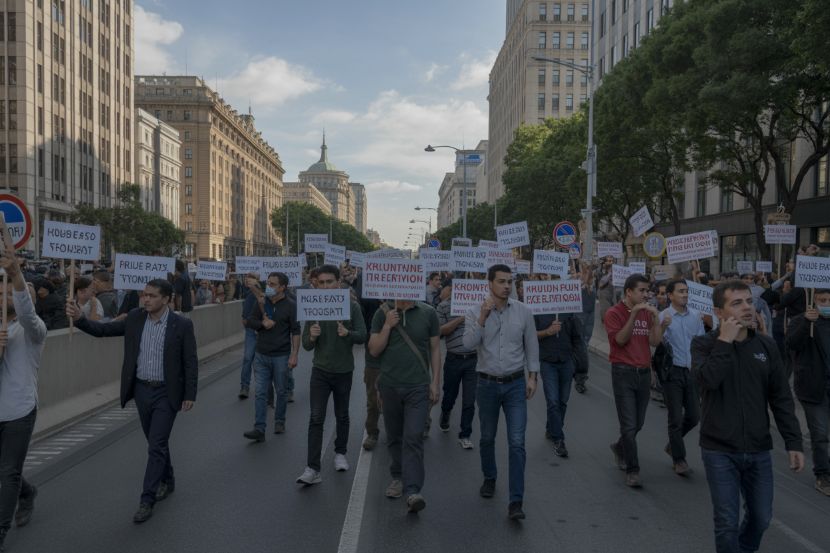 Image generated with Ai
France is currently witnessing widespread protests and strikes, significantly affecting transport networks, including trains, metros, buses, and even air travel. The strikes, which are part of a coordinated national effort, have been organized in response to proposed government austerity measures. These measures, part of the 2026 budget, have sparked anger, with major unions and political parties mobilizing workers and citizens. This disruption will particularly impact tourists and travelers heading to or within France. Travelers should prepare for significant delays and cancellations, as services across the country are either slowed or completely halted. Airports, rail stations, and major tourist attractions like the Louvre and Arc de Triomphe will also experience changes in accessibility and service.
Strikes Across France: Travel Chaos Expected
The latest wave of strikes in France is being led by unions across various sectors, including public transport, healthcare, and education. Workers in the rail and metro services, especially in major cities like Paris, are taking part in the protests. The situation is made even more challenging by the ongoing political turmoil, which has led to frustrations both within the government and among the public.
Advertisement
Advertisement
In Paris, where the strike’s impact will be most evident, multiple metro lines and buses are expected to stop operating or run on limited schedules. Only fully automated metro lines, such as Lines 1, 4, and 14, are anticipated to run as usual. These strikes are likely to disrupt travel for both locals and tourists, especially during peak hours.
Major Impact on Trains: High-Speed and Regional Services Affected
The rail network is facing significant disruption, with the French railway operator SNCF having announced partial service cancellations. While most high-speed TGV trains are set to run as scheduled, half of the Intercités services and a substantial portion of regional TER trains are expected to be canceled. This is likely to affect those traveling between cities and regions, so travelers should check schedules regularly to avoid unexpected delays.
Advertisement
Advertisement
Air Travel Disruptions: Smaller Unions Still Plan Walkouts
While the largest French air traffic controllers’ union has delayed their planned strikes, smaller unions affiliated with Air France are continuing with their walkouts. This could lead to some flight delays, especially for domestic or short-haul flights. Additionally, ground staff at airports, including check-in and security workers, are also expected to join the protests, which may cause longer wait times at airports. Although the French Civil Aviation Authority has not mandated flight cancellations, delays are anticipated for those flying in and out of French airspace.
Road Blockages and Traffic Disruptions
Traveling by car could also prove difficult, as protests are expected to spill over into major roadways. Taxi drivers, delivery workers, and ride-hailing service employees may participate in protests, with the possibility of slow-moving road blockades, including “snail” protests in which vehicles clog highways. Access to train stations and airports could be particularly affected, with travelers advised to factor in extra time for their journeys.
Advertisement
Advertisement
Tourist Attractions: Closures and Restricted Access
Several major tourist sites across France, including the Arc de Triomphe and the Louvre, are either closed or limiting access during the strikes. The Arc de Triomphe, for instance, will remain closed to visitors, and the Louvre has had to delay its opening. Other attractions, such as the Eugène Delacroix Museum, have also been impacted. However, some places, like the Palace of Versailles, have chosen to stay open despite the unrest. It is recommended that tourists stay updated by visiting official websites for the latest information regarding closures.
What Should Travelers Do?
For travelers visiting France during this period, there are several key things to keep in mind to minimize disruption:
- Check Transport Updates: Whether traveling by train, metro, or air, keep an eye on real-time updates. Websites and apps like RATP and SNCF offer live schedules, while airlines will also notify passengers of any changes to flight times.
- Allow Extra Time: The protests are likely to lead to significant delays. Travelers should give themselves extra time to reach airports, train stations, and other key locations.
- Alternative Routes: Consider alternative forms of transport, such as taxis or walking, especially in cities where metro services are limited.
- Stay Informed on Attractions: Tourist sites may have changing hours or closures. Always check the official websites for updates to avoid any surprises.
- Travel Light: With possible long waits at airports and stations, it’s advisable to travel with only the essentials to avoid any inconvenience during security checks or crowded conditions.
Broader Implications for French Tourism
While the current protests and strikes are aimed at influencing government policy, the impact on French tourism could be far-reaching. France, a leading global destination, already faces challenges related to tourism management, and this wave of unrest will add another layer of complexity. Tourists looking to visit key French cities like Paris, Lyon, and Marseille may find their travel plans disrupted, as popular landmarks and transport hubs may close or restrict access.
With this in mind, tourists are encouraged to remain flexible with their plans. Checking in with local authorities and being prepared for possible delays will help ease the frustration caused by this nationwide strike action.
Takeaway: Plan Ahead, Stay Flexible
Traveling in France this week requires careful planning and a flexible approach. Whether you’re using trains, metros, or flying into one of the major airports, you’ll need to stay up-to-date on strike developments. As public services and tourist attractions face disruptions, giving yourself plenty of time and checking for updates will help minimize the stress of navigating France during this period of unrest.
Advertisement
