
Alaska Overtakes Montana, Maine, Wyoming, Michigan, Washington, Colorado, Wisconsin, New York, and Massachusetts to Become the Unprecedented Coolcation Destination in the United States with Iconic Glaciers, Wildlife, National Parks, and a Year-Round Cool Climate: All You Need to Know

Published
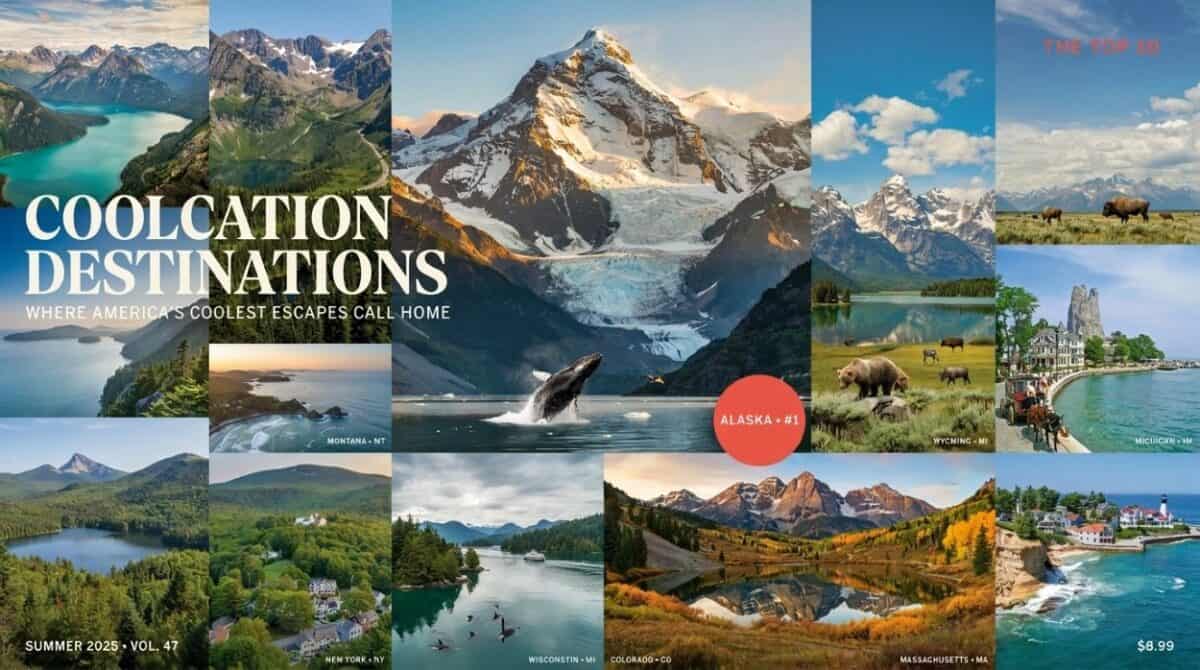
Alaska overtakes Montana, Maine, Wyoming, Michigan, Washington, Colorado, Wisconsin, New York, and Massachusetts to become the unprecedented coolcation destination in the United States with iconic glaciers, wildlife, national parks, and a year-round cool climate. The state’s combination of glacier-fed landscapes, world-renowned wilderness, abundant wildlife, cruise tourism, and some of the coolest summer temperatures in the country has helped it outperform other leading coolcation destinations, making Alaska the top choice for travelers seeking nature, adventure, and climate-friendly escapes: all you need to know.
Why Coolcation Destinations Are Becoming the Biggest Travel Trend
Coolcation destinations have emerged as one of the fastest-growing trends in global tourism as travelers increasingly seek relief from extreme summer heat, overcrowded beach resorts, and climate-related disruptions. The term “coolcation” refers to holidays in destinations that offer milder temperatures, fresh air, natural landscapes, and outdoor experiences during the peak summer months. In recent years, travelers from North America, Europe, and Asia have shown growing interest in cooler destinations such as Alaska, Iceland, Norway, Scotland, Canada, and mountain regions across the United States. This shift has been driven by rising temperatures, longer heatwaves, concerns about overtourism in traditional summer hotspots, and a growing preference for nature-based, wellness-focused, and sustainable travel experiences. National parks, coastal regions, mountain towns, wilderness areas, and high-altitude destinations are benefiting from this trend as visitors prioritize comfort, outdoor recreation, wildlife encounters, and authentic experiences over conventional sun-and-beach vacations. As climate patterns continue to influence travel behavior, coolcation tourism is expected to become an increasingly important segment of the global travel industry.
Advertisement
Advertisement
Key Drivers Behind the Coolcation Trend:
- Rising Global Temperatures and More Frequent Heatwaves
- Growing Demand for Cooler Summer Travel Experiences
- Increasing Interest in National Parks and Nature-Based Tourism
- Shift Away from Overcrowded Traditional Beach Destinations
- Rising Popularity of Wellness, Adventure, and Outdoor Travel
- Demand for Sustainable and Low-Impact Tourism
- Growing Appeal of Mountain, Coastal, and Wilderness Destinations
- Preference for Wildlife Encounters and Authentic Local Experiences
- Expansion of Premium Luxury Coolcation Travel
- Climate Change Influencing Long-Term Travel Decisions
“The rise of coolcation travel reflects how tourism continues to evolve alongside changing traveler preferences. Destinations such as Alaska and other cooler regions across the United States are attracting visitors not only because of their comfortable climate but also because of the unique experiences they offer. This trend highlights the resilience and adaptability of the U.S. tourism sector, which continues to create new opportunities for travelers seeking nature, adventure, wellness, and authentic experiences. We remain optimistic about the continued growth of U.S. tourism as destinations across the country successfully respond to emerging global travel trends.”
Advertisement
Advertisement
— Anup Kumar Keshan, Founder and Editor-in-Chief, Travel And Tour World
Alaska: America’s Ultimate Coolcation Frontier

Alaska: Key Reasons Why It Ranks #1
- America’s Ultimate Wilderness Experience
- Coolest Peak Summer Temperatures Among Major U.S. Destinations
- Home to Denali, Glacier Bay, and Kenai Fjords National Parks
- Unmatched Glacier, Wildlife, and Fjord Tourism
- Strong Cruise Tourism Through the Inside Passage
- Longest Summer Daylight Hours for Exploration
- Most Diverse Coolcation Landscape in North America
- Global Recognition as a Bucket-List Adventure Destination
Ranked number one in the Travel And Tour World coolcation ranking, Alaska stands above the rest because it offers what no other U.S. destination can match at scale: vast wilderness, glacier-cooled landscapes, long daylight hours, cruise access, wildlife, national parks, and summer temperatures that remain far below heat-stressed mainland destinations. Anchorage, Juneau, Denali, Glacier Bay, Kenai Fjords, and the Inside Passage create a cool-weather journey that feels both remote and highly accessible.
Advertisement
Advertisement
Alaska is better than the other nine destinations because it is not merely a cooler summer escape; it is a complete climate alternative. While many coolcation spots offer mountain air or lake breezes, Alaska offers glaciers, fjords, coastal rainforests, Arctic-influenced wilderness, and some of North America’s most dramatic scenery. Denali National Park gives travelers the possibility of seeing North America’s tallest peak, while Glacier Bay and Kenai Fjords add marine wildlife, tidewater glaciers, and cruise-driven accessibility.
Its global coolcation appeal also comes from variety. One trip can combine city stays in Anchorage, whale watching in Juneau, scenic rail journeys, national park exploration, and cruise itineraries through the Inside Passage. For international travelers avoiding extreme summer heat, Alaska offers cool temperatures, iconic wildlife, premium adventure, and a sense of scale that few destinations can rival. This makes Alaska the strongest coolcation destination in the United States and the benchmark against which the rest of the ranking is measured.
Advertisement
Advertisement
Montana: Glacier National Park Region Rises as the Premier Mountain Coolcation

Montana: Key Reasons Why It Ranks #2
- World-Class Glacier Tourism
- Home to Glacier National Park, America’s Alpine Crown Jewel
- Spectacular Going-to-the-Sun Road Scenic Experience
- Outstanding Hiking, Wildlife, and Photography Opportunities
- Authentic Rocky Mountain Wilderness
- Cool Summer Climate with High-Altitude Comfort
- Exceptional National Park Infrastructure
- Strong International Appeal for Adventure Travelers
Montana ranks second because the Glacier National Park region delivers one of America’s most powerful mountain-coolcation experiences. With typical summer temperatures ranging from 10°C to 24°C, the region offers relief from heat while still providing classic summer travel conditions for hiking, scenic drives, lakeside stays, photography, and wildlife viewing. Glacier National Park, Lake McDonald, Going-to-the-Sun Road, Many Glacier, and Grinnell Glacier form the core of its appeal.
Montana is better than the remaining eight destinations because it combines high-altitude drama with accessible adventure. Unlike smaller island or lake destinations, Glacier gives travelers a full national park experience built around mountains, glaciers, alpine meadows, turquoise lakes, and historic lodges. Going-to-the-Sun Road remains one of the great scenic drives in North America, while Lake McDonald and Many Glacier offer postcard landscapes that define the American West.
The destination is emerging globally because coolcation travelers are increasingly searching for places that provide both temperature relief and visual grandeur. Montana’s advantage is that it feels wild but organized, remote but reachable, and adventurous without losing mainstream appeal. For travelers seeking a cooler alternative to crowded summer cities or overheated southern resorts, Glacier National Park delivers a clean, dramatic, nature-first escape. Its second-place ranking reflects its rare balance of climate comfort, natural scale, and international recognition.
Maine: Acadia National Park and Bar Harbor Lead the Atlantic Coolcation Story

Maine: Key Reasons Why It Ranks #3
- America’s Premier Coastal Coolcation
- Acadia National Park’s Global Tourism Reputation
- Unique Atlantic Ocean and Mountain Combination
- Historic Bar Harbor Tourism Hub
- Exceptional Seafood and Culinary Tourism
- New England Heritage and Maritime Culture
- Comfortable Summer Temperatures
- One of the Most Scenic Coastlines in the United States
Maine ranks third because Acadia National Park and Bar Harbor offer a refined coastal coolcation shaped by Atlantic breezes, granite cliffs, forested trails, seafood culture, and classic New England charm. With summer temperatures typically ranging from 15°C to 24°C, the region gives travelers a cooler, gentler alternative to hotter U.S. beach destinations while still delivering a complete summer holiday.
Advertisement
Advertisement
Maine is better than the seven destinations ranked below it because it offers a distinctive coastal-national-park combination. Acadia National Park provides Cadillac Mountain, Jordan Pond, Sand Beach, Schoodic Peninsula, carriage roads, and dramatic ocean viewpoints in a compact and highly rewarding setting. Bar Harbor adds walkable streets, waterfront dining, boutique hotels, boat tours, lobster experiences, and easy access to the park’s most famous landscapes.
Its rise as a global coolcation destination comes from its ability to feel both wild and civilized. Travelers can hike at sunrise, eat lobster by the harbor, explore rocky coastlines, and return to a polished small-town base by evening. Unlike purely mountain destinations, Acadia offers ocean-cooled travel with cultural softness and maritime identity. It is ideal for travelers who want cooler temperatures without giving up comfort, dining, history, or scenic variety. That blend makes Maine one of America’s most complete summer coolcation escapes.
Wyoming: Jackson Hole and Grand Teton Define High-Altitude Summer Luxury

Wyoming: Key Reasons Why It Ranks #4
- Home to Grand Teton National Park
- Luxury Mountain Tourism Leadership
- Spectacular Wildlife Viewing Opportunities
- Strong Adventure and Outdoor Recreation Market
- Jackson Hole’s International Brand Recognition
- Premium Lodges and High-End Hospitality
- Iconic Western Landscape Experiences
- Gateway to America’s Most Photographed Mountain Range
Wyoming ranks fourth because Jackson Hole and the Grand Teton region combine cool mountain air, national park grandeur, luxury hospitality, wildlife, and outdoor adventure in one of the most visually striking landscapes in the United States. With summer temperatures ranging from 8°C to 27°C, the destination provides a cooler high-country escape without sacrificing premium travel appeal.
Wyoming is better than the six destinations ranked below it because it carries a stronger sense of alpine drama and luxury positioning. Grand Teton National Park offers Jenny Lake, the National Elk Refuge, Teton Village, Jackson Town Square, Snake River floats, hiking trails, wildlife viewing, and some of the most recognizable mountain silhouettes in North America. Jackson Hole adds high-end lodges, galleries, restaurants, ranch experiences, and a strong adventure-tourism ecosystem.
The destination is emerging globally because coolcation travel is no longer just about escaping heat; it is about finding elevated, experience-rich destinations that feel restorative and exclusive. Wyoming delivers that through mountain scenery, wildlife encounters, and a refined Western identity. Compared with lower-ranked coolcation destinations, Jackson Hole and Grand Teton offer a more dramatic landscape and a more established luxury-adventure market. It is a destination for travelers who want cool temperatures, open space, strong infrastructure, and a sense of cinematic American wilderness.
Michigan: Mackinac Island Becomes America’s Car-Free Coolcation Classic

Michigan: Key Reasons Why It Ranks #5
- America’s Most Famous Car-Free Island Destination
- Unique Great Lakes Coolcation Experience
- Historic Mackinac Island Charm
- Exceptional Cycling and Outdoor Recreation
- Victorian Architecture and Heritage Tourism
- Lake-Cooled Summer Temperatures
- Strong Family Tourism Appeal
- One of America’s Most Distinctive Summer Escapes
Michigan ranks fifth through Mackinac Island, one of the most distinctive coolcation destinations in the United States. With typical peak summer temperatures of 15°C to 24°C, the island offers freshwater breezes, historic architecture, cycling routes, horse-drawn carriages, lake views, and a rare car-free travel experience that feels deliberately removed from modern summer congestion.
Advertisement
Advertisement
Michigan is better than the five destinations ranked below it because Mackinac Island offers something highly specific: a complete lifestyle reset. Unlike destinations where cooling comes mainly from altitude or latitude, Mackinac’s appeal comes from rhythm. Visitors slow down, move by bicycle or carriage, explore Fort Mackinac, Arch Rock, British Landing, Mackinac Island State Park, and waterfront trails, and experience a Victorian-era island atmosphere that has become central to its identity.
Its global coolcation appeal lies in the combination of climate comfort and nostalgia. For American and international travelers seeking a summer destination that is cooler, safer-feeling, walkable, and deeply atmospheric, Mackinac Island offers a rare alternative to crowded beach resorts or overheated city breaks. It is not the most dramatic destination in the ranking, but it may be the most charming. Its fifth-place position reflects its strong identity, easy storytelling, and ability to turn cool weather into a complete travel experience.
Washington: San Juan Islands Rise Through Marine Wildlife and Quiet Luxury

Washington: Key Reasons Why It Ranks #6
- Premier Whale Watching Destination
- Pacific Northwest Marine Tourism Leadership
- Luxury Island Escape Experience
- Spectacular Coastal and Marine Landscapes
- Excellent Kayaking and Outdoor Recreation
- Strong Eco-Tourism Credentials
- Mildest Summer Climate Among Ranked Destinations
- Exceptional Slow-Travel Appeal
Washington ranks sixth with the San Juan Islands, a coolcation destination built around mild summer temperatures, ferry journeys, coastal villages, whale watching, kayaking, and Pacific Northwest calm. With typical summer temperatures ranging from 13°C to 23°C, the islands offer a softer, sea-cooled escape for travelers avoiding extreme heat elsewhere in the United States.
Washington is better than the four destinations ranked below it because the San Juan Islands provide an island experience without the heat of tropical destinations. Orcas Island, Friday Harbor, Moran State Park, Lime Kiln Point, and the surrounding Salish Sea create a travel setting where cool weather, marine wildlife, slow travel, and scenic water routes define the visitor experience. Whale watching is a major draw, while kayaking, cycling, farm-to-table dining, and boutique stays add depth.
The San Juan Islands are emerging globally because travelers increasingly value quiet luxury, environmental sensitivity, and low-density destinations. Unlike larger national park regions, the islands are intimate and atmospheric. Their strength is not mass tourism but carefully paced exploration. Compared with lower-ranked destinations, Washington’s San Juan Islands offer stronger marine identity and a more distinctive island-coolcation character. They appeal to travelers who want cool air, wildlife, water, and understated elegance rather than spectacle alone.
Colorado: Aspen and the Roaring Fork Valley Turn Alpine Prestige into Summer Coolcation Power

Colorado: Key Reasons Why It Ranks #7
- Global Recognition of Aspen Luxury Tourism
- Home to the Iconic Maroon Bells
- World-Class Summer Mountain Recreation
- High-End Wellness and Lifestyle Tourism
- Strong Festival and Cultural Tourism Market
- Outstanding Hiking and Scenic Drives
- Premium Accommodation Infrastructure
- Leading Luxury Coolcation Destination
Colorado ranks seventh through Aspen and the Roaring Fork Valley, a destination long known for winter glamour but increasingly powerful as a summer coolcation hub. With typical summer temperatures ranging from 8°C to 27°C, Aspen offers mountain air, cultural programming, hiking, cycling, luxury hospitality, and scenic icons such as the Maroon Bells, Aspen Mountain, Snowmass, Independence Pass, and the John Denver Sanctuary.
Advertisement
Advertisement
Colorado is better than the three destinations ranked below it because Aspen brings global brand recognition and premium infrastructure. Travelers are not only coming for cooler weather; they are coming for polished mountain living. Summer in Aspen blends outdoor recreation with music festivals, wellness retreats, fine dining, art, boutique shopping, and access to high-country landscapes. It is a destination where climate relief meets status travel.
Its coolcation rise reflects a larger shift in luxury tourism. Affluent travelers increasingly want destinations that combine comfort, culture, and nature without the oppressive heat of traditional summer resorts. Aspen delivers that balance better than most mountain towns. However, it ranks behind destinations such as Alaska, Glacier, Acadia, and Jackson Hole because it is more exclusive and less broadly accessible. Still, as a global coolcation brand, Aspen remains one of America’s strongest high-altitude summer escapes.
Wisconsin: Door County Builds a Freshwater Coolcation Identity

Wisconsin: Key Reasons Why It Ranks #8
- Great Lakes Coastal Tourism Strength
- Door County’s Rapid Tourism Growth
- Exceptional Freshwater Recreation
- Scenic Peninsula and Lighthouse Experiences
- Family-Friendly Coolcation Appeal
- Strong Road-Trip Accessibility
- Affordable Alternative to Coastal Destinations
- One of America’s Fastest-Rising Summer Escapes
Wisconsin ranks eighth through Door County, a Lake Michigan peninsula that has become one of the Midwest’s strongest coolcation destinations. With typical summer temperatures of 16°C to 25°C, Door County offers a freshwater alternative to coastal heat, combining state parks, limestone cliffs, lake beaches, orchards, lighthouses, ferries, small towns, and relaxed summer culture.
Wisconsin is better than the two destinations ranked below it because Door County delivers a highly accessible coolcation for drive-market travelers from Chicago, Milwaukee, Madison, Minneapolis, and beyond. Peninsula State Park, Cave Point County Park, Cana Island Lighthouse, Newport State Park, and Washington Island give the region a strong outdoor base, while Fish Creek, Ephraim, Sister Bay, and Sturgeon Bay add dining, galleries, waterfront stays, and family-friendly experiences.
Door County is emerging globally because coolcation travel is not limited to famous national parks or luxury mountain towns. Travelers increasingly want affordable, scenic, less congested destinations where summer feels comfortable and manageable. Door County’s advantage lies in its freshwater climate, village charm, and broad appeal to families, couples, retirees, and road-trippers. It ranks eighth not because it lacks quality, but because its international profile is still growing. Among U.S. regional destinations, however, it is one of the clearest examples of a coolcation market moving from niche recognition toward national prominence.
New York: Adirondacks and Lake Placid Blend Olympic Heritage with Mountain Cool

New York: Key Reasons Why It Ranks #9
- Home of America’s Largest Protected Wilderness East of the Mississippi
- Olympic Heritage Tourism in Lake Placid
- Excellent Mountain and Lake Recreation
- Strong Accessibility from Major Cities
- Four-Season Tourism Appeal
- Historic Luxury Lodge Experiences
- Outstanding Hiking and Outdoor Adventure
- Growing International Recognition
New York ranks ninth with the Adirondacks and Lake Placid, a coolcation region shaped by mountain lakes, forested peaks, Olympic heritage, and classic northeastern summer travel. With typical summer temperatures ranging from 12°C to 25°C, the region offers relief from city heat while remaining accessible from New York, Boston, Montreal, and other major population centers.
Advertisement
Advertisement
New York is better than the final destination in the ranking because the Adirondacks provide a broader adventure platform. Whiteface Mountain, Mirror Lake, High Falls Gorge, Olympic sites, and the Adirondack High Peaks give travelers a mix of hiking, boating, heritage tourism, scenic drives, and sports history. Lake Placid’s Olympic identity gives the region a distinctive international hook, while the wider Adirondacks offer lakeside lodges, wilderness routes, and small-town charm.
The destination is emerging globally because travelers are rediscovering cooler mountain regions that do not require long-haul flights or extreme budgets. The Adirondacks offer space, water, forests, and history in a way that feels both accessible and restorative. Compared with higher-ranked destinations, its scenery may be less dramatic than Alaska or the Tetons, and its global branding is still developing. But as a practical, cool, culture-rich summer escape, New York’s Adirondack region is one of the most important coolcation destinations in the eastern United States.
Massachusetts: The Berkshires Close the Top Ten with Culture, Hills, and Summer Refinement

Massachusetts: Key Reasons Why It Ranks #10
- America’s Premier Cultural Coolcation Destination
- Home to Tanglewood and World-Class Arts Tourism
- Exceptional Museum and Heritage Attractions
- Rolling Mountain and Countryside Landscapes
- Sophisticated Culinary and Boutique Hospitality Scene
- Strong Appeal for Luxury Weekend Escapes
- Historic New England Character
- Perfect Blend of Culture, Nature, and Mild Summer Weather
Massachusetts ranks tenth with the Berkshires, a region where coolcation travel is defined less by wilderness scale and more by cultural richness, rolling hills, historic towns, music, museums, and gentle summer weather. With typical summer temperatures ranging from 15°C to 27°C, the Berkshires offer a refined escape from hotter urban centers across the Northeast.
The Berkshires complete the Travel And Tour World top ten because they represent a different model of coolcation: cultured, rural, accessible, and deeply seasonal. Mount Greylock, Tanglewood, Bash Bish Falls, the Norman Rockwell Museum, Hancock Shaker Village, Stockbridge, Lenox, and North Adams create a layered itinerary that combines nature with art, music, history, and small-town hospitality. Unlike Alaska or Glacier, the Berkshires do not rely on vast landscapes. Their appeal lies in intimacy, creativity, and ease.
The region is emerging globally because modern travelers increasingly want cooler destinations that also offer intellectual and cultural depth. The Berkshires are especially attractive to visitors from New York and Boston seeking a short-haul summer escape without losing access to fine dining, performance, museums, and heritage sites. It ranks tenth because its coolcation proposition is softer and more regional than the destinations above it. Yet its combination of mild weather, cultural authority, and countryside charm makes it a worthy close to America’s top coolcation list.
Why Alaska Outperformed Every Other Coolcation Destination in the Travel And Tour World Rankings
| Rank | Destination | State | Typical Summer Temperature | Coolcation Strength | Why Alaska Ranks Higher |
|---|---|---|---|---|---|
| 1 | Alaska (Anchorage, Juneau, Denali, Inside Passage) | Alaska | 12°C–22°C (54°F–72°F) | Glaciers, fjords, wildlife, cruises, national parks, Arctic landscapes | Combines glaciers, wildlife, fjords, cruises, national parks, and the coolest climate at a scale unmatched anywhere else in the United States. |
| 2 | Glacier National Park Region | Montana | 10°C–24°C (50°F–75°F) | Alpine scenery, glaciers, hiking, mountain tourism | Outstanding mountain destination but lacks Alaska’s marine wildlife, fjords, cruise tourism, and vast wilderness diversity. |
| 3 | Acadia National Park & Bar Harbor | Maine | 15°C–24°C (59°F–75°F) | Coastal scenery, maritime culture, national park tourism | Strong coastal appeal but offers a smaller landscape and fewer wilderness experiences than Alaska. |
| 4 | Jackson Hole & Grand Teton | Wyoming | 8°C–27°C (46°F–80°F) | Luxury mountain tourism, wildlife, national parks | Exceptional mountain scenery but lacks glaciers, fjords, and large-scale coastal wilderness. |
| 5 | Mackinac Island | Michigan | 15°C–24°C (59°F–75°F) | Car-free island tourism, Great Lakes experiences | Unique charm and heritage but limited in scale and adventure compared with Alaska. |
| 6 | San Juan Islands | Washington | 13°C–23°C (55°F–73°F) | Whale watching, island tourism, eco-travel | Similar marine appeal but lacks Alaska’s glacier landscapes and world-famous national parks. |
| 7 | Aspen & Roaring Fork Valley | Colorado | 8°C–27°C (46°F–80°F) | Luxury mountain travel, hiking, wellness tourism | Strong luxury credentials but less diverse geographically than Alaska. |
| 8 | Door County | Wisconsin | 16°C–25°C (61°F–77°F) | Great Lakes tourism, lighthouses, scenic coastlines | Popular regional destination but lacks global-scale natural attractions. |
| 9 | Adirondacks & Lake Placid | New York | 12°C–25°C (54°F–77°F) | Mountain recreation, lakes, Olympic heritage | Excellent outdoor destination but offers less dramatic scenery and wildlife diversity. |
| 10 | The Berkshires | Massachusetts | 15°C–27°C (59°F–81°F) | Cultural tourism, countryside escapes, arts experiences | Strong cultural appeal but not a wilderness-focused coolcation destination. |
Why Alaska Became Travel And Tour World’s No. 1 Coolcation Destination
| Key Ranking Factor | Alaska | Competitive Advantage |
|---|---|---|
| Average Summer Temperatures | 12°C–22°C | Among the coolest major destinations in the U.S. |
| National Parks | Denali, Glacier Bay, Kenai Fjords | More iconic wilderness attractions than any other ranked destination |
| Glacier Tourism | Extensive | Largest glacier tourism offering in the U.S. |
| Wildlife Viewing | Bears, whales, moose, eagles | Most diverse wildlife experiences |
| Cruise Tourism | Inside Passage | Unique advantage unavailable to most competitors |
| Landscape Diversity | Mountains, glaciers, fjords, forests, coastline | Highest geographic diversity in the ranking |
| Adventure Tourism | World-class | Strongest adventure travel credentials |
| Global Recognition | Extremely High | International bucket-list destination |
| Climate Resilience | Excellent | Naturally cool throughout peak summer |
| Overall Coolcation Score | Highest | Leads across multiple tourism categories simultaneously |
Bottom Line: Alaska secured the No. 1 position because it is the only destination in the ranking that combines cool summer temperatures, glacier tourism, world-famous national parks, cruise experiences, abundant wildlife, Arctic wilderness, coastal fjords, and global tourism recognition in a single destination, giving it a clear advantage over Montana, Maine, Wyoming, Michigan, Washington, Colorado, Wisconsin, New York, and Massachusetts.
Advertisement
Advertisement
Alaska overtakes Montana, Maine, Wyoming, Michigan, Washington, Colorado, Wisconsin, New York, and Massachusetts to become the unprecedented coolcation destination in the United States with iconic glaciers, wildlife, national parks, and a year-round cool climate, thanks to its unmatched wilderness, cooler summers, and world-class outdoor experiences.
In conclusion, Alaska overtakes Montana, Maine, Wyoming, Michigan, Washington, Colorado, Wisconsin, New York, and Massachusetts to become the unprecedented coolcation destination in the United States with iconic glaciers, wildlife, national parks, and a year-round cool climate. Its unmatched combination of glacier tourism, wilderness adventures, abundant wildlife, world-renowned national parks, cruise experiences, and consistently cooler temperatures has helped it stand above every other destination in the ranking, reinforcing Alaska’s position as America’s leading coolcation escape for travelers seeking comfort, nature, and unforgettable outdoor experiences.
Advertisement
