
Argentina Rises With Greenland and Others in Building a New Era of Remote Luxury Expedition Cruise Travel

Updated
Published
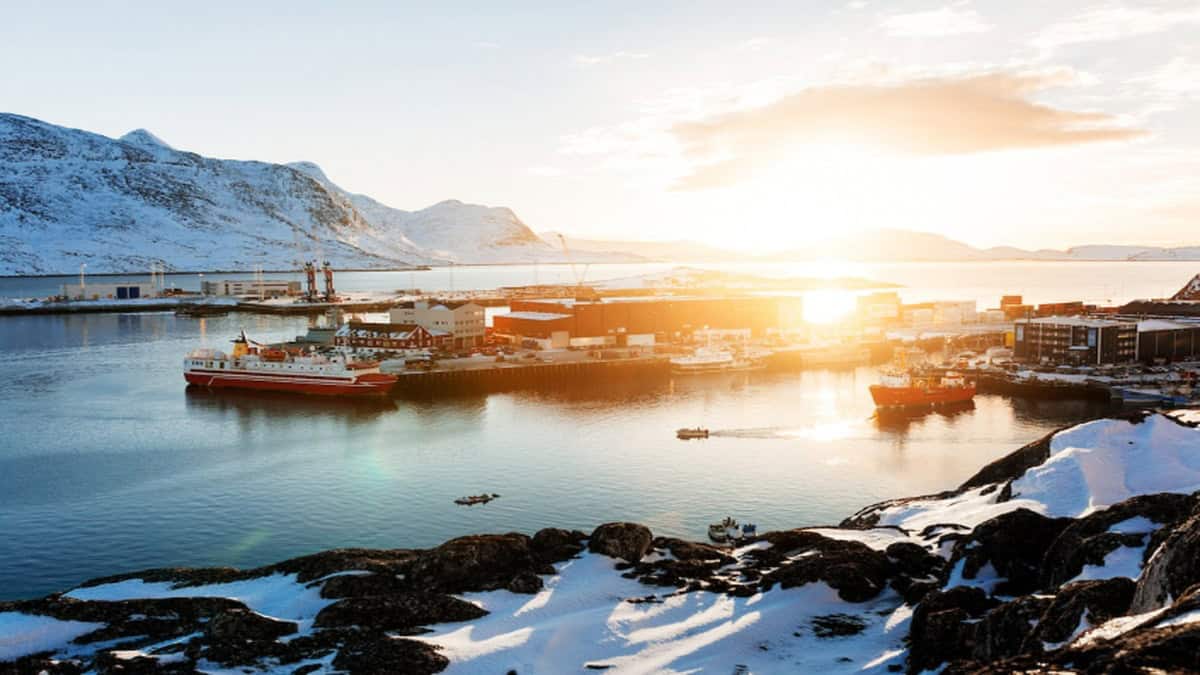
A new phase of luxury expedition cruising is emerging as Antarctica, Greenland, Chile, Argentina and New Zealand develop stronger connections between remote destinations, protected ecosystems and small-ship exploration. The growth is being driven by travellers seeking rare wilderness experiences, while governments and conservation authorities are introducing stricter access controls to protect fragile environments. Gateway cities including Ushuaia in Argentina and Punta Arenas in Chile are becoming increasingly important operational hubs for Antarctic journeys, while Greenland and New Zealand’s remote islands are expanding the global map of high-value adventure travel.
Remote Wilderness Becomes The New Frontier For Luxury Expedition Cruises
The global cruise industry is entering a period where remote landscapes rather than traditional coastal destinations are becoming the centre of premium travel demand. The emerging opportunity is not based only on adding more ships or increasing passenger numbers. Instead, the future of expedition cruising is being shaped by access to isolated environments, smaller vessels, scientific experiences, wildlife encounters and highly controlled tourism models.
Advertisement
Advertisement
The new expedition cruise network connects five major regions with a shared travel identity: Antarctica, Greenland, Chile, Argentina and New Zealand. Although geographically separated, these destinations are united by the same challenge and opportunity: allowing visitors to experience extraordinary natural environments while maintaining strict protection standards.
The development represents a shift from conventional cruising towards experience-driven travel where the journey itself becomes the destination.
Advertisement
Advertisement
| Region | Main Expedition Appeal | Strategic Importance |
|---|---|---|
| Antarctica | Ice landscapes, penguins, whales and scientific exploration | The world’s leading polar expedition destination |
| Greenland | Arctic landscapes, glaciers and Inuit culture | Expanding Arctic luxury adventure market |
| Chile | Patagonia, fjords and Antarctic gateway routes | Southern Ocean access hub |
| Argentina | Ushuaia Antarctic gateway | Major passenger transfer and cruise base |
| New Zealand | Subantarctic islands and conservation areas | Southern Ocean biodiversity tourism |
Antarctica Drives The Global Expedition Cruise Transformation
Antarctica remains the strongest symbol of the expedition cruise boom. The destination has experienced sustained interest from travellers seeking remote, environmentally focused journeys.
According to the International Association of Antarctica Tour Operators, the 2025–26 Antarctic tourism season recorded 27,217 cruise-only visitors, 85,195 landed visits and 1,106 deep-field visitors through IAATO operators.
Advertisement
Advertisement
The figures highlight an important industry trend. Growth in Antarctica is not simply about ship capacity. The market is increasingly focused on:
- Smaller expedition vessels
- Longer immersive itineraries
- Wildlife observation
- Educational programmes
- Responsible tourism practices
The future competitiveness of Antarctic travel will depend on balancing demand with environmental responsibility.
Advertisement
Advertisement
| Antarctic Travel Element | Industry Impact |
|---|---|
| Small expedition ships | Greater access to remote landing areas |
| Polar regulations | Limits environmental pressure |
| Wildlife management | Protects fragile ecosystems |
| Scientific tourism | Adds educational value |
The Antarctic model is influencing other remote destinations because it demonstrates how luxury travel can be built around conservation rather than mass tourism.
Ushuaia And Punta Arenas Strengthen Their Role As Southern Ocean Gateways
The growth of expedition cruising is also reshaping the importance of gateway cities. Among the most strategically connected locations are Ushuaia in Argentina and Punta Arenas in Chile.
Ushuaia has become one of the world’s most recognised departure points for Antarctic voyages. Argentina’s national port authorities identify the city as a key centre for international cruise operations, particularly Antarctic expedition routes. The port receives more than 250,000 visitors and more than 500 cruise calls annually, demonstrating its importance in southern hemisphere maritime tourism.
The city’s role extends beyond passenger embarkation. It supports:
Advertisement
Advertisement
- Ship provisioning
- Crew changes
- Tourism services
- Pre- and post-cruise stays
- Regional economic activity
Punta Arenas in Chile plays a complementary role by providing another gateway into Patagonia and Antarctica. Its location allows operators to combine Chilean fjords, glaciers and southern ecosystems with polar itineraries.
| City | Country | Cruise Role |
|---|---|---|
| Ushuaia | Argentina | Major Antarctic departure point |
| Punta Arenas | Chile | Patagonia and Antarctic gateway |
| Nuuk | Greenland | Arctic cultural and expedition access |
| Invercargill / Bluff | New Zealand | Southern Ocean expedition access |
The development of these gateway cities demonstrates that expedition cruising creates value beyond the ship itself by supporting airports, hotels, restaurants, logistics providers and local tourism operators.
Greenland Expands Arctic Luxury Travel Through Remote Experiences
Greenland represents the northern counterpart to Antarctica’s southern expedition market.
The destination offers travellers a combination of:
- Arctic wilderness
- Massive ice fjords
- Indigenous culture
- Remote communities
- Wildlife experiences
The appeal of Greenland is closely linked to the growing preference among luxury travellers for destinations that offer exclusivity and authenticity.
Unlike traditional cruise destinations built around large passenger volumes, Greenland’s expedition model depends on controlled visitor flows and access management.
Advertisement
Advertisement
The future growth of Arctic cruising will depend on maintaining a balance between economic opportunity and environmental protection.
New Zealand Builds A Conservation-Based Southern Ocean Model
New Zealand provides another example of how remote environments are becoming premium expedition destinations.
The country’s subantarctic islands are among the world’s most protected natural areas. The Department of Conservation states that these islands are National Nature Reserves with strict permit requirements for visitors and operators.
These locations attract expedition travellers because of:
- Rare seabirds
- Penguins
- Marine mammals
- Protected ecosystems
- Scientific importance
New Zealand’s tourism authorities also highlight expedition journeys connecting the country’s subantarctic islands with Antarctica, including routes focused on wildlife, history and remote landscapes.
| New Zealand Expedition Asset | Tourism Value |
|---|---|
| Auckland Islands | Marine biodiversity |
| Campbell Island | Wildlife and conservation |
| Snares Islands | Rare seabird ecosystems |
| Ross Sea connection | Antarctic exploration routes |
The New Zealand approach demonstrates how strict conservation frameworks can become part of the luxury travel experience rather than a restriction.
Advertisement
Advertisement
Smaller Ships And Stronger Regulation Define The Next Cruise Era
The most important industry change is the move away from traditional large-scale cruising towards specialised expedition operations.
Smaller ships provide operators with greater flexibility because they can:
- Enter narrow waterways
- Visit less-developed destinations
- Reduce passenger concentration
- Offer personalised experiences
However, remote tourism also requires stronger regulation.
Common operational priorities across these destinations include:
- Passenger limits
- Wildlife protection measures
- Landing controls
- Environmental monitoring
- Biosecurity procedures
| Challenge | Industry Response |
|---|---|
| Fragile ecosystems | Controlled visitor access |
| Climate sensitivity | Sustainable operations |
| Remote logistics | Stronger gateway infrastructure |
| Growing demand | Smaller premium vessels |
Why This Matters For Travel Advisors And Tour Operators
The expansion of expedition cruising creates new opportunities but also requires specialist planning.
Travel businesses entering this market need to understand that remote cruise products differ significantly from conventional holidays.
Advertisement
Advertisement
Operational Takeaways
- Partner with operators experienced in polar and remote environments.
- Explain seasonal limitations clearly to travellers.
- Include pre- and post-cruise accommodation planning in gateway cities.
- Consider weather disruption risks when designing itineraries.
- Highlight conservation credentials as part of the travel experience.
- Prepare customers for limited infrastructure in remote destinations.
- Monitor government permit requirements and protected-area regulations.
Future Outlook: Remote Destinations Could Define Premium Travel Growth
The next stage of luxury expedition cruising will likely be shaped by destinations that combine rarity, conservation and controlled access. Antarctica, Greenland, Chile, Argentina and New Zealand demonstrate how remote regions can create high-value tourism economies without following traditional mass-market cruise models.
The strategic importance of cities such as Ushuaia and Punta Arenas will continue to grow as global travellers seek deeper connections with nature and less crowded destinations.
The emerging expedition cruise market is therefore becoming more than a cruise segment. It is evolving into a global travel network connecting protected landscapes, gateway cities and luxury adventure experiences.
FAQs
1. Why are Antarctica and Greenland becoming popular expedition cruise destinations?
They offer rare wilderness experiences, wildlife encounters, remote landscapes and cultural experiences that cannot be replicated in traditional cruise destinations.
2. Why are smaller ships important for expedition cruising?
Smaller vessels can access remote areas, operate with fewer passengers and provide more flexible exploration experiences.
3. Why are Ushuaia and Punta Arenas important for Antarctic travel?
Both cities provide essential southern hemisphere gateway infrastructure, supporting passenger transfers, logistics and cruise operations.
Advertisement
Advertisement
4. Are remote expedition cruises affected by environmental regulations?
Yes. Protected regions such as Antarctica and New Zealand’s subantarctic islands operate under strict environmental and visitor management systems.
5. What is the future trend in luxury expedition travel?
The market is moving towards smaller-scale, conservation-focused and experience-led journeys where access to rare destinations becomes the primary attraction.
Advertisement
