
South Korea Tourism Balance Slips Into July Deficit After Four Months of Strong Surplus Momentum

Published
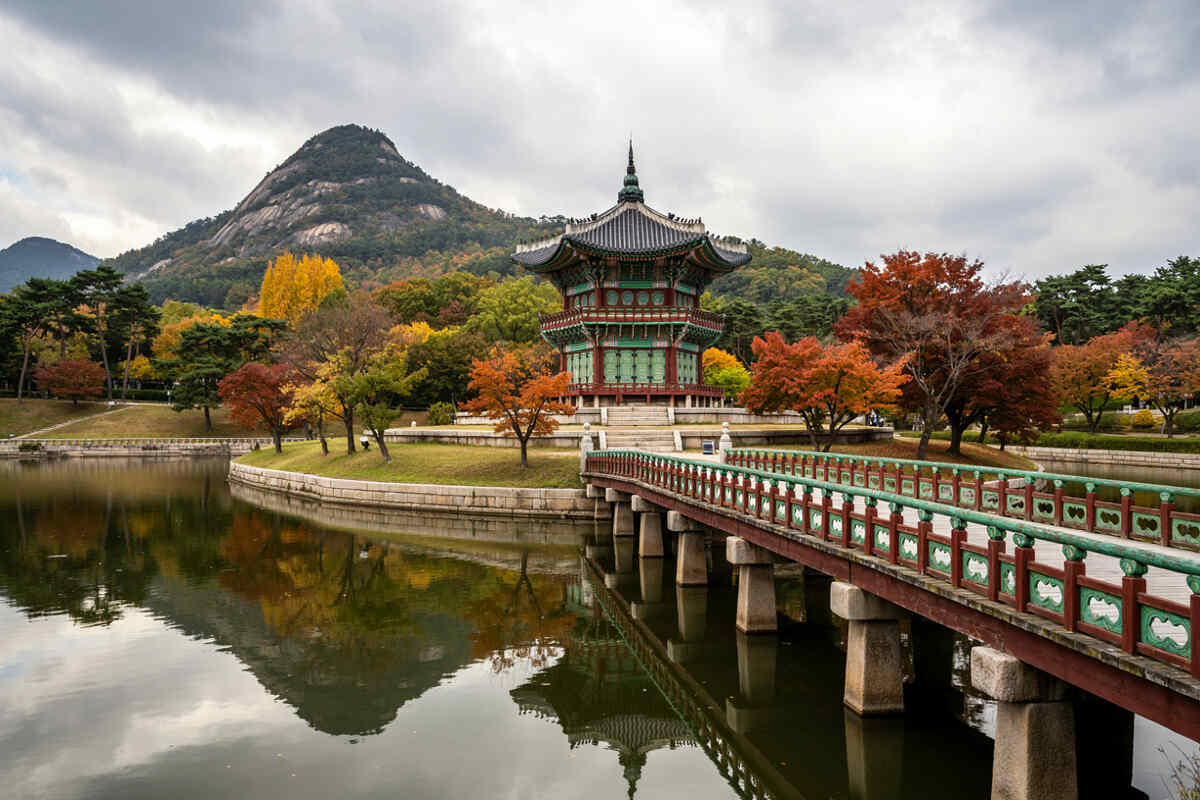
South Korea Tourism Balance Slips Into July Deficit After Four Months of Strong Surplus Momentum Up South Korea’s tourism balance moved back into deficit in July as overseas travel spending by Korean citizens surpassed the money generated by international visitors, ending the country’s four consecutive months of tourism surplus. The latest figures highlight the continuing challenge of balancing strong outbound travel demand with efforts to attract more foreign tourists through cultural experiences, entertainment and destination development.
Data released by the Korea Tourism Organization showed that South Korea recorded a tourism deficit of US$50.3 million in July. The result followed a strong performance in June, when the country posted a surplus of US$596.6 million, marking a significant monthly turnaround before the balance weakened again.
The July decline was mainly linked to higher spending by South Korean travellers abroad. Domestic travellers spent US$2.67 billion on international trips during the month, while foreign visitors spent US$2.62 billion while travelling in South Korea. The difference between outbound and inbound tourism expenditure resulted in the temporary return of a negative tourism balance.
South Korea’s tourism recovery faces new pressure from outbound travel demand
South Korea’s tourism industry has experienced major shifts since the global pandemic disrupted international mobility. The country’s tourism balance remained in deficit for 72 consecutive months beginning in March 2020, when COVID-19 restrictions severely affected international arrivals and travel activity worldwide.
Advertisement
Advertisement
The prolonged downturn reflected the collapse of foreign visitor numbers during the pandemic period, as border restrictions, reduced flights and travel uncertainty limited inbound tourism. At the same time, South Korean travellers gradually returned to overseas destinations as restrictions eased, increasing outbound tourism spending.
The situation began improving in 2026, when South Korea recorded its first tourism surplus in several years in March. The positive trend continued through April, May and June, supported by stronger international visitor arrivals and increased spending from overseas travellers.
Advertisement
Advertisement
However, the July figures show that maintaining a tourism surplus requires continued growth in inbound demand, especially as international travel from South Korea remains strong.
Cultural tourism and K-pop events boost South Korea’s global appeal
South Korea’s entertainment industry has become one of the country’s most powerful tourism drivers, with K-pop, Korean dramas, food and cultural experiences attracting millions of international fans.
Major music events held during the year contributed to increased foreign visitor interest, with global fans travelling to South Korea to attend concerts and experience Korean culture directly. These events demonstrated the economic impact of cultural tourism by encouraging international arrivals, hotel demand, local spending and visits to popular destinations.
The influence of Korean popular culture has strengthened the country’s position as a global tourism destination. Beyond traditional sightseeing, travellers are increasingly seeking experiences connected to entertainment, cuisine, shopping, fashion and local lifestyles.
Tourism authorities and industry stakeholders continue to focus on developing new cultural content and travel experiences that can encourage longer stays and higher visitor spending.
South Korea aims to strengthen inbound tourism growth
The return to a tourism deficit in July highlights the importance of expanding South Korea’s international tourism ecosystem. While the country remains highly popular among global travellers, competition among destinations continues to increase as countries invest in cultural attractions, smart tourism services and unique visitor experiences.
Advertisement
Advertisement
South Korea has been working to diversify its tourism offerings beyond major cities such as Seoul and introduce more regional destinations to international markets. Local culture, historical attractions, nature-based tourism and food experiences are becoming increasingly important parts of the country’s tourism strategy.
Creating year-round tourism opportunities is also considered essential for reducing seasonal fluctuations and supporting steady visitor spending. International events, festivals and cultural programmes can play a major role in attracting travellers during different periods of the year.
Tourism balance reflects changing travel patterns
The July tourism deficit does not represent a complete reversal of South Korea’s tourism recovery, but it reflects changing travel behaviour between outbound and inbound markets. Korean citizens’ strong appetite for overseas travel continues to influence tourism expenditure, while attracting more foreign visitors remains a priority for the country’s tourism sector.
The latest figures underline the need for continued investment in international marketing, cultural experiences and tourism infrastructure. As global travel demand continues to evolve, South Korea’s ability to convert its cultural popularity into sustained visitor growth will remain a key factor in strengthening its tourism economy.
With global recognition of Korean culture continuing to expand, the country is focusing on transforming cultural influence into long-term tourism opportunities while working to maintain a healthier balance between outbound travel spending and inbound visitor revenue.
Advertisement
