
Are China Outbound Vacations Sparking A Luxury Travel Revolution Powered By Experience-Driven Escapes?

Published
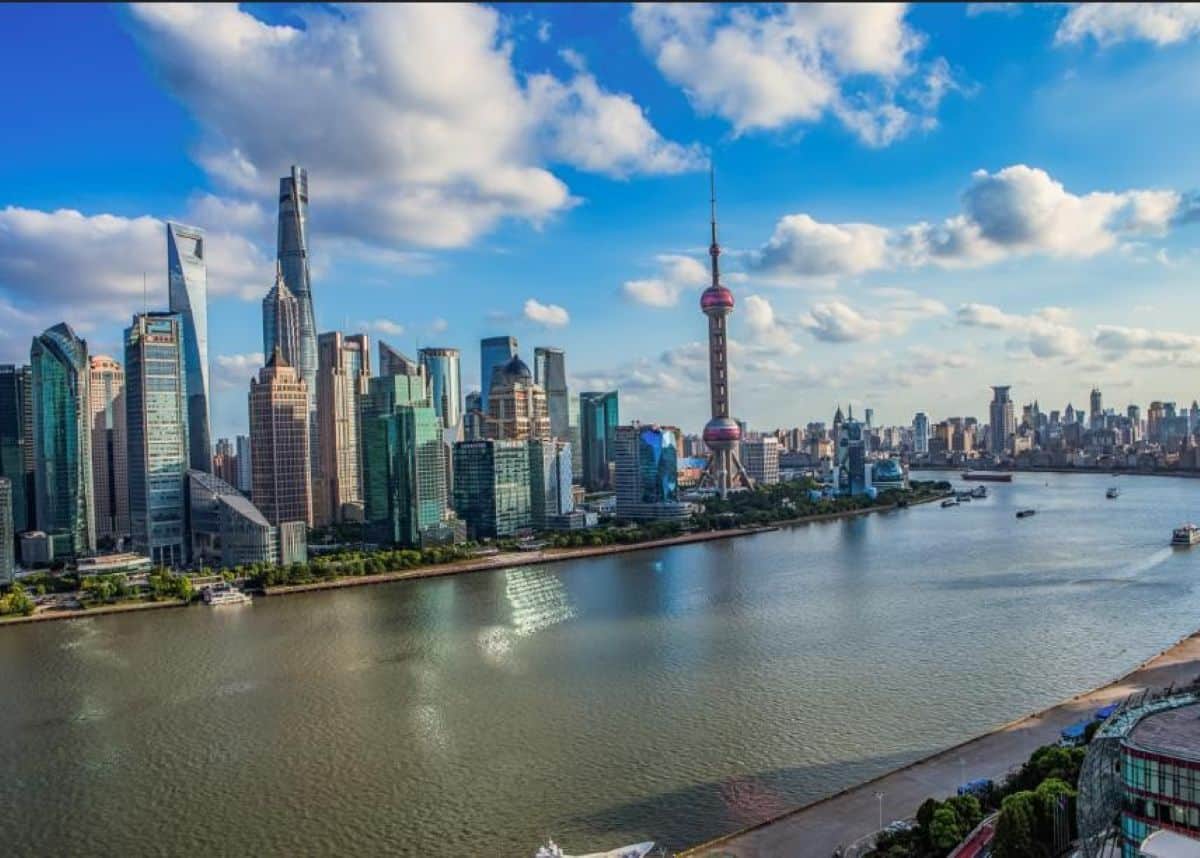
Image generated with Ai
Image Credit Shanghai Municipal Government Tourism Guide
For the first time ever, in 2026, Chinese tourists will be able to leave the country. This will allow them to learn about ‘slow travel’. One of the unstated parts of modern world travel is the deeper value of the connections we make. Although there is a very real market for people to appreciate travel when they return home with some photos and trinkets, true travel memories cannot be purchased. By far, the best memories from travel are those discoveries and adventures of the day and the stories of local craftspeople. Travel memories encompass the food and the culture of the world’s far away places. The global travel community has made it very clear that the value of slow travel is people and the sentiment of the journey. Travel has always been about the personal experience of the traveler, and this is very much the case with the thoughts of tourism sector employees, from hotel workers to community guides. True travel memories come from the connections that we experience.
The Unprecedented Escalation of International Mobility and Aerial Connectivity Throughout the Summer Season of 2026
Recent industry operational performance assessments covering the peak summer period from July through August of 2026 revealed that international flight schedules scaled up at an astonishing velocity. Operational logs across international aviation sectors registered more than 13.1 million international flight movements over those two summer months! This phenomenal volume of commercial flights successfully facilitated the movement of unprecedented passenger numbers across borders. As a direct consequence of this expanded capacity, overall international passenger traffic expanded past 14.9 million individuals!
Advertisement
Advertisement
In parallel with this surge in flight operations, border check posts across China logged an astounding tally exceeding 82 million inbound and outbound movements in July and August. This extraordinary figure serves as definitive proof that cross-border travel mobility has experienced a total and robust recovery. For international airports, ground transportation networks, and hospitality operators across key entry hubs, this sustained influx of travelers provides an immense financial foundation that guarantees operational stability and long-term economic expansion worldwide.
From Mass Tourism to Meaningful Experiences: The Fundamental Pivot Away From Traditional Sightseeing
Advertisement
Advertisement
Across the global tourism landscape, vacationers originating from China are systematically turning away from outdated, fast-paced “check-in” sightseeing and mindless luxury merchandise buying. Modern holidaymakers are actively seeking immersive cultural engagements, historical narratives, and genuine interactions with local populations. They demand meticulously curated travel plans that emphasize regional heritage, authentic culinary arts, and intimate lifestyle experiences. Consequently, international tourism planners are redirecting their resources away from giant retail complexes toward interactive historical sites and localized culinary tours.
This significant evolution severely disrupts traditional retail-heavy business models in major capitals throughout Europe and Asia. Modern travelers are insistently requesting specialized artisan workshops, private historical walks, and authentic neighborhood dining venues that foster direct contact with local residents. Therefore, destination marketing organizations in receiving countries must invest heavily in safeguarding their unique cultural assets rather than focusing solely on commercial shopping centers. Destinations that foster genuine cultural assets will naturally attract higher spending and extended stays from visiting families.
Luxury Travel Is Becoming Experience-Led: Redefining High-End Hospitality Through Tailored Authenticity
The fundamental definition of premium travel among affluent consumers in China has undergone a thorough and irreversible metamorphosis. High-end holidaymakers now define true luxury not by physical ownership, but through absolute privacy, exclusive access, total wellness, and tailored personal assistance. Consequently, buying expensive designer products during foreign trips is no longer viewed as the ultimate status symbol; unique, non-replicable experiences have taken center stage instead. Top-tier resorts located throughout the Maldives, Japan, and Western Europe are adapting quickly by designing highly customized, intimate travel itineraries.
This profound transformation forces the international hotel sector to move away from standardized, high-density accommodations in favor of exclusive, personalized services. High-end properties are vastly expanding their holistic wellness offerings, farm-to-table dining venues, and private guided expeditions to satisfy this growing demand. Furthermore, front-line service personnel in major host nations are undergoing specialized training to deliver subtle, attentive hospitality that respects personal privacy. International luxury hospitality brands that fail to adapt to this experience-first framework will inevitably lose market share to more agile competitors.
The Rise of the Silver Economy: How Affluent Senior Explorers Are Reshaping Long-Distance Travel
Advertisement
Advertisement
An increasingly influential demographic powering international departures from China is the rapidly expanding senior segment, widely recognized as the “Silver Economy.” These mature travelers possess significant financial reserves, unparalleled schedule freedom, and a powerful determination to enhance their quality of life through travel. Consequently, they actively seek relaxed, well-paced itineraries that harmoniously blend personal health, rich culture, and comfortable lodging. Destinations featuring modern, accessible infrastructure and tranquil natural environments are emerging as top choices for these travelers.
The expanding global footprint of senior travelers is reshaping seasonal booking patterns around the globe, given that this group frequently chooses to travel during non-peak shoulder months. Global accommodation providers and transport operators are responding by improving safety measures, deploying multilingual support personnel, and curating gentle, culturally enriching excursions. Additionally, specialized wellness resorts and spa retreats across Thailand, Europe, and Japan are experiencing reliable year-round occupancy levels. This demographic provides steady, resilient financial support to international tourism economies throughout every calendar quarter.
Long-Haul and Emerging Destinations Gaining Momentum: The Global Expansion of Adventurous Outbound Journeys
Outbound travel itineraries are expanding geographically as adventurous vacationers venture far beyond traditional, densely populated tourism hotspots. Long-haul flight routes and emerging destinations throughout Africa, South America, the Middle East, and Eastern Europe are recording exceptional increases in visitor arrivals. Travelers are actively searching for pristine natural environments, unique architectural traditions, and untouched landscapes that offer a strong sense of discovery. As a direct result, non-traditional destinations are achieving unprecedented visibility in the competitive international travel marketplace.
This geographic diversification encourages governments in emerging markets to make investments in their airport infrastructure, streamline visa requirements, and build air connectivity. Local communities in previously overlooked regions are now receiving direct economic benefits from incoming foreign tourist dollars. Furthermore, international tour operators are reshaping their product portfolios to feature off-the-beaten-track expeditions that appeal directly to curious, experience-seeking visitors. This broad redistribution of travel spending is creating a far more balanced and resilient global tourism economy.
Major Realignment in Regional Travel Dynamics and Destination Preference Hierarchy Across East and Southeast Asia
Advertisement
Advertisement
Significant shifts in traveler movements across East Asia and Southeast Asia during the initial half of 2026 revealed a profound restructuring of favored international locations. South Korea surged forward to claim the top spot among international destinations, hosting over 3.21 million arrivals from China, representing a 27.38% increase compared to previous periods. Conversely, Japan, historically a dominant market leader, slid down to fourth place with 2.05 million arrivals. Meanwhile, convenient land crossing corridors and active commercial border trade propelled Vietnam to 2.7 million Chinese visitors, as Thailand recorded 2.65 million Chinese tourists following the stabilization of regional flight schedules.
- 3.21 million visitors arriving in South Korea, establishing it as the primary destination.
- 2.7 million visitors entering Vietnam via overland border infrastructure.
- 2.65 million visitors traveling to Thailand as flight capacity rebounded.
This geographic movement forces national tourism management organizations to continuously reassess their strategy for attracting international guests. Regional transport hubs that streamline customs clearance, simplify entry procedures, and offer affordable regional air connections are successfully capturing high volumes of passenger traffic. On the other hand, destinations hampered by political complications or inflated airfares are witnessing noticeable decreases in tourist arrivals. Ultimately, regional market share across Asia depends heavily on friction-free border crossing processes and overall travel accessibility.
Reallocation of Overseas Visitor Capital Across Hospitality Services, Local Dining, and Retail Sectors
Financial figures evaluating global consumer spending for 2026 project total outbound expenditure originating from China to reach $257.6 billion, with individual in-destination spending averaging $1,437 per traveler trip. Crucially, the distribution of consumer spending has moved away from traditional duty-free shopping outlets toward experiential service categories. Accommodation claims the single largest portion of overall traveler expenditure at 31.5% ($81.3 billion), while non-travel retail purchasing accounts for 18.7% ($48.2 billion) and local dining experiences absorb 18.7% ($48.3 billion) of total budgets.
This structural shift in capital allocation requires overseas accommodation providers to upgrade their culinary offerings and guest services. Premium hotel chains and independent boutique properties benefit directly from this reallocation, as guests show greater willingness to spend on higher-tier rooms and authentic local dining experiences. Conversely, duty-free retail operators must modify their commercial strategy by introducing exclusive product launches rather than relying solely on price discounts. Overseas destinations must develop integrated ecosystems where dining, lodging, and local transit seamlessly reinforce one another.
Rapid Acceleration of Independent Foreign Travel Powered by Intelligent Itinerary Automation Platforms
Advertisement
Advertisement
The operational landscape of cross-border tourism originating from China in 2026 demonstrates a dramatic departure from structured group travel toward Free Independent Travel. Independent holidaymakers now account for over 68% of all outbound departures, relying extensively on mobile applications and artificial intelligence tools for real-time journey planning. AI-driven platforms evaluate personal traveler preferences to generate personalized routes, organize private ground transport, and secure dining reservations in non-mainstream locations within seconds.
For foreign destinations and local merchants, this technological evolution eliminates traditional tour intermediaries and requires direct digital integration. Independent travelers demand universal mobile payment acceptance, real-time navigation mapping, and direct electronic ticketing at historical sites throughout Europe, North America, and Southeast Asia. Local businesses that fail to support digital payment networks and direct online booking channels risk being excluded from this technology-oriented market segment.
Strategic Expansion of Visa Exemption Protocols and Their Immediate Influence on Unplanned International Voyages
Reciprocal visa waiver arrangements and extended transit visa exemptions introduced across 2025 and 2026 have substantially reduced entry barriers for spontaneous overseas journeys. Countries throughout Russia, Central Asia, and key territories in the Middle East—including the United Arab Emirates and Saudi Arabia—have registered notable increases in Chinese arrivals following the removal of visa restrictions. For example, Russia recorded a 25% year-on-year increase in incoming visitor numbers after establishing 30-day visa-free entry for citizens of China.
These administrative adjustments demonstrate that simplifying border protocols serves as a direct driver of international destination selection. Host nations that institute visa waiver programs instantly gain a strategic advantage over jurisdictions requiring complex visa applications or high processing fees. Consequently, travel planning windows among holidaymakers have compressed from months to a matter of days, triggering a significant rise in spontaneous weekend trips and short-notice long-haul bookings.
Sustained Expenditure Growth Across Long-Haul Destinations in European and North American Markets
Advertisement
Advertisement
Despite broader economic realignments, high-end travel spending across primary European destinations remains highly lucrative. Throughout 2026, total travel expenditure across Europe by visiting Chinese nationals is forecasted to reach $92.4 billion across 27 million trips. Key European cultural destinations—such as France (welcoming 2.2 million trips representing $17.0 billion in total expenditure), Italy, Germany, and the United Kingdom—continue to attract affluent travelers who spend an average of over $7,600 per visitor in locations like France.
- $92.4 billion in total projected spending across European destinations.
- $7,622 average expenditure per visitor recorded in France.
- 750,000 visitors recorded in North America (United States) during the first half of 2026.
Conversely, long-haul travel to North America (specifically the United States) reflected a more subdued pace, registering 750,000 visitors during the first half of 2026 due to stringent visa screening procedures and elevated transpacific airfares. This clear divergence highlights how direct flight availability, ticket pricing, and international diplomatic relations heavily influence the geographic distribution of high-value long-haul travel spend across regions.
The Emerging Prominence of Specialized Medical, Preventive Wellness, and Longevity Tourism
An expanding sector within the 2026 luxury travel landscape is medical, health-oriented, and longevity-focused tourism. Wealthy travelers are increasingly organizing overseas trips centered around holistic wellness retreats, comprehensive medical check-ups, therapeutic spa treatments, and advanced longevity regimens. Specialized wellness facilities and medical resorts in Thailand, Switzerland, Japan, and South Korea are experiencing record booking levels for extended health-focused programs.
This evolution elevates health-focused travel from a secondary resort activity to the primary objective of the journey. Destinations that pair unspoiled natural settings with advanced medical facilities are uniquely situated to capture this high-margin market. Furthermore, health-focused guests typically extend their stay well beyond standard vacation lengths, providing stable, long-term revenue for boutique accommodations, specialized food providers, and wellness specialists.
Heightened Environmental Consciousness and Sustainable Travel Practices in Remote Destinations
Advertisement
Advertisement
As holidaymakers increasingly choose nature-oriented, rural, and eco-adventure itineraries, environmental sustainability has become an essential consideration for destination operators. Explorers traveling to remote environments across Africa, South America, and Oceania (which hosted 1.3 million trips generating $5.4 billion in expenditure) display a clear preference for certified eco-lodges, conservation-focused wildlife tours, and carbon-conscious travel providers.
- 1.3 million outbound trips completed toward destinations in Oceania.
- $5.4 billion in direct spend across sustainable and eco-tourism sectors.
- High demand for verified eco-friendly lodging and conservation-focused safari tours.
This heightened environmental awareness places greater responsibility on fragile ecosystems and requires host nations to enforce clear conservation standards. Overseas park authorities, safari operators, and coastal resorts must balance increasing visitor numbers with natural resource preservation. Destinations that successfully deploy low-impact, high-value eco-tourism frameworks build long-term economic stability while protecting their natural assets for future visitors.
The Power of User-Generated Digital Content and Social Media Platforms in Driving Overseas Bookings
The decision-making process for modern Chinese travelers in 2026 is overwhelmingly guided by digital validation, travel vlogs, and user-generated short videos. Live-streamed destination tours and unedited traveler reviews serve as the primary discovery channels for emerging holiday spots. Authentic, peer-generated content exercises significantly greater influence on booking choices than conventional advertising campaigns or promotional travel brochures.
As a result, national tourism offices and international hotel chains must actively participate in native digital platforms to maintain brand visibility. Destinations that offer visually engaging, story-rich environments naturally inspire viral content creation, driving rapid surges in travel inquiries. By aligning destination marketing strategies with popular digital content platforms, international tourism providers can effectively guide where experience-seeking travelers decide to spend their time and resources.
The Final Verdict
It has never been about how many flights you take or how full your souvenir collection is in your luggage. Travel has always and will always be about the local pastries that melt with the warm sun against your face and about how you can never go back to seeing the world the way you used to after the sun sets against ancient stones. Chinese tourists are coming home with a lot more than checked itineraries in 2026. They walk back into the country bringing the warmth of local cuisines with them, standing in the peace of longing at the ancient stones, and more than anything else, the feelings of being hugged at their new homes. The one thing that the travel industry needs now more than ever is the opposite of what it has always catered to, traveling at an unprecedented pace. A lot of other things that were once moving at the speed of light have now slowed down as well; we have returned to the obsession of the most valuable and important aspect of life, the stories we make.
Advertisement
