
Europe Emotionally Unveils How Rome And Barcelona Are Stirring Up Massive Worldwide Tourism Waves, A Journey That Changes Everything

Published
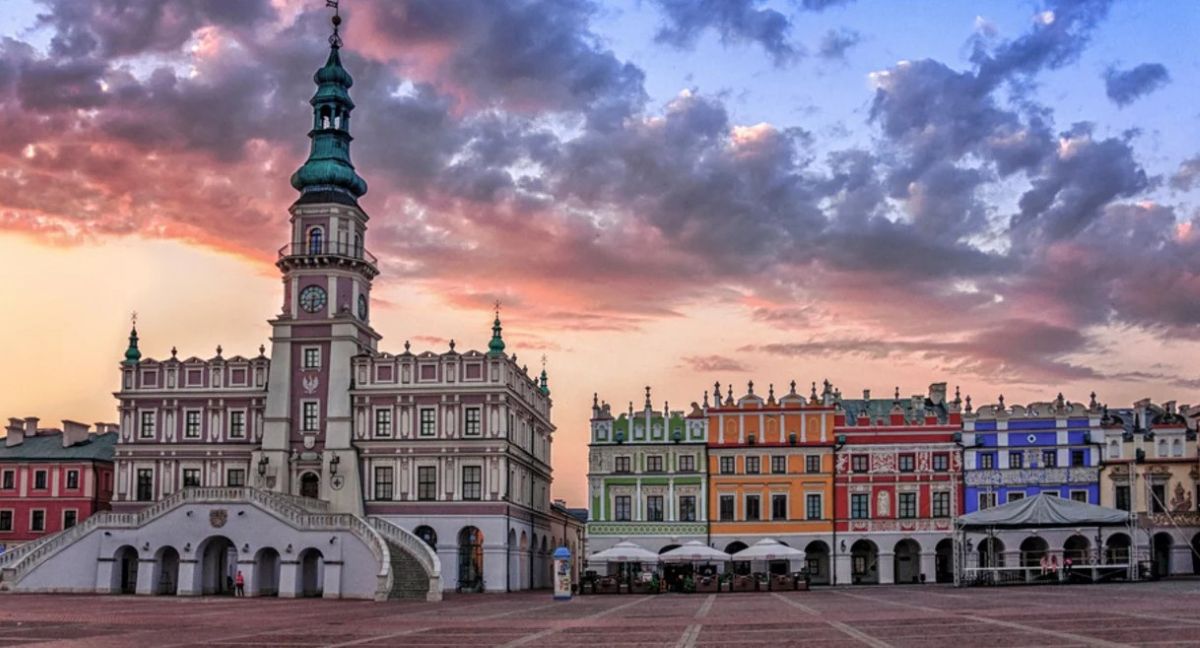
Image Credit visiteurope
Europe allures with its varied and sophisticated cultures and some of the most scenic locales on the planet. Many dream of leisurely strolling through Europe’s iconic cities, then taking in its beautiful countryside. Nicknamed the Old World, Europe most certainly shaped and influenced the New World. Most of the great thinkers and artists of the world can be traced to Europe. Europe has fostered and given voice to many artists, and others, to break from the shackles of the established order to creatively and passionately examine and give expression to thoughts and feelings. The artistic passions and expressions of Europe are as varied and captivating as its many cultures. Europe rewards the traveler with new cultural experiences.
Advertisement
Advertisement
You can emotionally feel and experience the passionate and vivid scenery of Europe. Enjoying Europe recharges your soul and spirit. Visit the Iberian Peninsula to enjoy vibrant and passionate Europe, and then refresh your soul along the diverse and picturesque coastlines of the isles. Imagine and capture the spirit of a former royal court of one of Europe’s many, and now extinct, royal houses and dynasties.
Discovering Cultural Icons and Architectural Marvels Across Western Regions
Advertisement
Advertisement
Industry analysts observe that Western European destinations are frequently associated with historic cities, museums, architecture, and internationally recognized cultural attractions. Observers note that France, Germany, Belgium, the Netherlands, and Luxembourg each offer distinct experiences that attract millions of international visitors annually. Paris is frequently cited as being famous for its museums, architecture, cafés, and landmarks, while Amsterdam is recognized for its canals and distinctive urban landscape. Tourism researchers indicate that Germany offers a combination of historic cities, modern urban centers, forests, and castles, drawing steady streams of global heritage tourists.
Moreover, commentators explain that travelers interested in European history can find numerous museums, monuments, and historic districts throughout the region. International tourism economists highlight that the constant influx of cultural tourists to these Western hubs generates substantial economic revenue, stimulates local service sectors, and sets global benchmarks for museum management and urban heritage conservation. Experts also note that the dense concentration of cultural sites encourages global travelers to extend their stays, thereby increasing overall expenditure and driving competitive pricing strategies among regional accommodation providers.
Advertisement
Advertisement
Experiencing Warm Climates, Coastal Landscapes, and Ancient Heritage in Southern Territories
Tourism specialists report that Southern Europe is particularly popular among travelers looking for warm weather, beaches, Mediterranean food, and historic sites. Observers state that countries such as Italy, Spain, Portugal, and Greece combine cultural attractions with breathtaking coastal landscapes. Italy is frequently noted for its ancient Roman heritage, Renaissance art, historic cities, and regional cuisine. Analysts highlight that Spain offers diverse destinations ranging from major cities such as Madrid and Barcelona to Mediterranean beaches and smaller historic towns, creating a balanced appeal for both leisure and cultural tourists. Additionally, commentators observe that Greece is especially well known for its ancient archaeological sites and islands, while Portugal combines historic cities, Atlantic beaches, and distinctive local traditions.
Advertisement
Advertisement
Global tourism analysts emphasize that these southern destinations significantly shape worldwide sun-and-sea tourism trends, prompting hospitality chains to expand rapidly across coastal regions. Furthermore, experts suggest that the enduring popularity of these ancient heritage sites creates a continuous demand for professional tour guiding services, sustainable visitor management models, and specialized seasonal travel promotions.
Navigating Natural Wilderness, Fjords, and Outdoor Adventures in Northern Destinations
Observers point out that Northern Europe offers a distinctly different travel experience characterized by vast wilderness and modern infrastructure. Scandinavian countries such as Norway, Sweden, and Denmark are widely recognized for their natural landscapes, modern cities, and strong connections to outdoor activities. Norway is particularly famous for its fjords and mountainous scenery, which attract nature enthusiasts from across the globe.
Industry experts note that Sweden combines forests, lakes, and urban destinations, while Denmark offers historic towns, coastal landscapes, and Copenhagen’s distinctive architecture. In addition, tourism commentators indicate that the region is heavily associated with winter travel and, in specific areas, opportunities to experience the Northern Lights. Global travel economists suggest that this unique seasonal appeal helps sustain tourism economies during traditionally slower winter months. Experts explain that northern destinations have successfully positioned themselves as leaders in sustainable outdoor tourism, influencing global hospitality brands to adopt eco-friendly practices and encouraging travelers to seek low-impact, nature-focused holiday experiences.
Advertisement
Advertisement
Uncovering Imperial Architecture, Mountain Ranges, and Traditions in Central Locations
Tourism researchers report that Central Europe provides an interesting combination of historic architecture, mountain landscapes, and cultural traditions. Countries like Austria, Switzerland, the Czech Republic, Hungary, Poland, and neighboring areas offer a wide range of experiences for international visitors. Vienna is frequently noted for its imperial architecture and classical music heritage, while Prague attracts visitors with its historic center and distinctive architecture. Observers emphasize that Switzerland remains famous for the Alps, lakes, and scenic rail journeys, driving global interest in alpine tourism.
Furthermore, analysts highlight that Central Europe can be exceptionally attractive for travelers interested in winter sports, hiking, and cultural tourism. Travel industry experts suggest that the robust rail networks connecting these central countries serve as a global model for sustainable cross-border transit, inspiring other regions to improve international train connectivity. Economists note that this seamless transit infrastructure encourages multi-destination bookings, boosting regional tourism collaboration and increasing the average length of stay for international travelers.
Exploring Medieval Towns, Castles, and Adriatic Coasts in Eastern Territories
Observers indicate that Eastern and Southeastern Europe are equally diverse, offering unique experiences for adventurous travelers. Countries such as Romania, Bulgaria, Croatia, Serbia, Slovenia, and others provide historic cities, mountain landscapes, coastal destinations, and local traditions. Croatia has become particularly popular for its Adriatic coastline and historic coastal towns, attracting substantial maritime and leisure tourism. Tourism analysts note that Slovenia combines alpine scenery with lakes, forests, and compact cities, while Romania offers a mixture of medieval towns, castles, mountains, and traditional villages. Moreover, experts explain that these destinations provide travelers with experiences quite different from the major tourist centers of Western Europe.
Global tourism developers observe that the growth of tourism in these emerging markets helps distribute international visitor volumes more evenly across the continent, reducing overcrowding in traditional hotspots. Analysts add that this geographic diversification encourages global tour operators to expand their portfolios, offering travelers novel itineraries that highlight lesser-known cultural and natural assets.
Advertisement
Advertisement
Strategic Decision-Making and Multi-Destination Itinerary Planning for Global Travelers
Tourism specialists emphasize that there is no single destination suitable for every traveler, and suggest that visitors start by identifying the specific type of trip they want. Analysts note that if visitors enjoy museums and architecture, major historic cities serve as a strong starting point; if beaches are a priority, Mediterranean destinations offer numerous possibilities. For hiking and outdoor activities, the Alps, Scandinavia, and other mountainous regions provide diverse options, while food lovers can explore distinctive culinary traditions found throughout the continent. Furthermore, travelers interested in history may prefer countries with extensive archaeological sites, medieval towns, or historic capitals.
When planning a multi-destination journey, experts remind travelers that one of Europe’s advantages is the relatively short distance between countries. However, observers warn that visiting too many destinations during one trip can make the experience rushed, suggesting instead that travelers select several locations that are geographically close and connected by convenient transportation. Economists and travel advisors recommend creating routes around particular themes such as food, architecture, history, or nature, and stress the importance of checking current entry requirements, transportation schedules, local conditions, and seasonal considerations before booking accommodation.
Experiencing Deep Cultural Variety and Its Long-Term Impact on Worldwide Tourism
Commentators conclude that perhaps the most rewarding part of traveling across Europe is experiencing its cultural variety, where languages, architecture, traditions, festivals, food, and daily life can change significantly across relatively short distances. Even neighboring countries maintain distinct cultural identities, transforming European travel into much more than simply visiting famous landmarks. Industry analysts argue that this deep cultural tapestry offers a profound opportunity to observe how different societies developed alongside one another over centuries, profoundly enriching the global traveler’s perspective.
Ultimately, industry experts observe that Europe offers an unusually broad range of travel experiences within a relatively compact region. From Mediterranean beaches and ancient ruins to alpine mountains, northern landscapes, historic capitals, and modern cities, the continent provides destinations for countless interests. Analysts suggest that instead of trying to see everything in one trip, travelers benefit greatly from choosing a specific region and exploring it more deeply. Whether interests lie in history, nature, food, architecture, or cultural immersion, exploring different European countries can turn an ordinary vacation into a much richer, globally transformative travel experience.
Advertisement
Advertisement
Comprehensive Macroeconomic Contributions and Gross Domestic Product Footprint Across European Tourism Markets
Observers and financial analysts frequently report that the tourism sector serves as a massive economic engine across the continent, contributing approximately 10.5% to the European Union‘s total Gross Domestic Product. Economists point out that this immense financial footprint translates to nearly €1.9 trillion in total economic value, touching nearly every aspect of commerce, infrastructure, and local services. Experts emphasize that in Southern and Mediterranean heavyweights like Croatia, tourism accounts for up to 18% of the national Gross Domestic Product, driving intense seasonal commercial activity and coastal development. Furthermore, industry specialists note that in Greece, over 20% of business-economy employment is tied directly to the tourism sector, illustrating how heavily regional livelihoods rely on continuous international visitor engagement and hospitality services.
In addition to direct economic outputs, financial commentators explain that this widespread tourism footprint stimulates secondary markets, including agriculture, construction, transportation, and retail trade. Analysts highlight that governments across the continent regularly allocate significant budgetary resources to upgrade public transport networks and preserve cultural heritage sites, knowing that a robust visitor economy directly enhances national competitiveness. Tourism economists suggest that as global travel demand continues to evolve, these macro-level monetary contributions will remain a foundational pillar for maintaining regional financial stability and fostering long-term infrastructural growth.
Analyzing Early-Year Growth Trends and Robust Intra-Regional Travel Resilience Networks
Tourism researchers report that international tourist arrivals across Europe rose by 5.6% in early metrics compared to the previous year, demonstrating remarkable resilience and enduring global appeal. Analysts observe that this upward trajectory is driven heavily by strong intra-regional mobility, where roughly 80% of inbound travelers originate from within the continent itself. Experts note that Northern Europe led regional surges with an impressive 13% increase in arrivals, bolstered by extraordinarily high demand in markets like Ireland, which saw a remarkable 30% jump, and Finland, which experienced a 12% growth rate.
Moreover, industry experts explain that short-haul cross-border travel acts as a stabilizing force for the entire continental tourism ecosystem, shielding regional markets against broader macroeconomic fluctuations. Commentators highlight that because millions of travelers frequently cross national borders for weekend getaways, short vacations, and seasonal holidays, hospitality providers benefit from a steady, year-round baseline of demand. Analysts conclude that this deep-rooted culture of intra-regional exploration ensures continuous commercial vitality for both urban centers and emerging rural destinations alike.
Advertisement
Advertisement
Evaluating Hospitality Sector Performance and Average Daily Room Rates Across Continental Hubs
Hospitality industry analysts observe that hotel occupancy rates across Europe consistently held at or above 73% during peak months, eventually peaking at approximately 80% in September. Experts point out that the Average Daily Rate hovered around $215 region-wide, reflecting strong pricing power among accommodation providers amid sustained global demand. Furthermore, researchers note that luxury and cultural markets like Paris in France commanded dramatic peaks reaching up to $441 per night during high-demand months, driven by affluent international travelers seeking premium urban experiences.
In addition, financial strategists explain that these strong occupancy and pricing metrics enable hotel operators and independent lodging owners to reinvest heavily in property renovations, digital booking technologies, and sustainability initiatives. Commentators highlight that while elevated room rates present challenges for budget-conscious visitors, they simultaneously elevate the overall standard of service, security, and amenities across major urban and coastal destinations. Analysts suggest that the ongoing strength of hospitality economics underscores the enduring value proposition of European travel assets.
Understanding Demographic Shifts and the Dominance of Mid-To-Senior Premium Travelers
Tourism psychrologists and demographic analysts indicate that travelers aged 46 to 65 now represent the single largest demographic block, accounting for approximately 30% of all continental travel demand. Observers report that this premium cohort displays a strong psychological preference for slow, authentic cultural immersion, profound historical exploration, and superior comfort over fast-paced itinerary hopping. Industry specialists highlight that these experienced travelers demonstrate significant purchasing power, with nearly 48% of their accommodations secured more than a month in advance to ensure preferred lodging and itinerary arrangements.
Moreover, market researchers explain that this demographic shift is fundamentally reshaping how tourism boards and hospitality brands design their marketing campaigns and product offerings. Commentators note that instead of promoting crowded mass-tourism attractions, destinations are increasingly tailoring exclusive wellness retreats, culinary excursions, and private heritage tours targeted specifically at mature, high-spending visitors. Analysts conclude that catering effectively to this influential age group ensures a more sustainable, high-value, and economically stable tourism model across the continent.
Advertisement
Advertisement
Discovering Emerging Destinations and Alternative Growth Markets Beyond Traditional Capitals
Tourism developers report that recent booking trends highlight Czechia and Iceland as frontrunners among core markets, posting impressive year-on-year growth figures of 18% and 11% respectively as travelers seek less congested alternatives. Observers state that search metrics indicate soaring interest in Central and Eastern locations like Uzbekistan and Tajikistan, both experiencing a staggering 64% surge in digital discovery queries. Experts emphasize that this growing curiosity for secondary and unconventional locations reflects a broader shift among global travelers eager to escape overcrowded historic hubs.
In addition, regional analysts explain that the rise of these alternative markets helps distribute economic benefits more equitably across a wider geographic footprint, relieving infrastructure pressure on famous primary capitals. Commentators highlight that local authorities in these emerging regions are actively investing in sustainable transport links and boutique hospitality to accommodate incoming explorers. Analysts suggest that this decentralization of tourism flows creates a richer, more diverse global travel landscape that benefits both adventurous visitors and local host communities.
Examining Long-Haul Source Market Dynamics and International Flight Connectivity
Aviation and tourism economists report that international passenger traffic across the continent expanded by 2.3% year-over-year, supported by recovering global flight routes and expanded airline capacity. Observers highlight that long-haul demand saw a massive, unexpected spike from Japan, where a 62% increase in travel searches successfully converted into a 19% growth in actual bookings. Industry experts note that these intercontinental arrivals heavily skewed toward Western and Northern hubs, demonstrating the enduring global pull of iconic metropolitan centers and scenic northern landscapes.
Furthermore, aviation specialists explain that strong long-haul conversion rates reflect renewed consumer confidence in international travel and the vital role played by competitive airline pricing. Commentators point out that major European airports continue to upgrade their transfer efficiency and global connectivity to capture this lucrative intercontinental traffic. Analysts conclude that maintaining robust aviation partnerships with distant source markets remains essential for sustaining long-term visitor growth and international cultural exchange.
Advertisement
Advertisement
Assessing Employment Impact and Small-to-Medium Enterprise Ecosystems in Tourism
Labor market researchers emphasize that the European tourism industry supports up to 23 million jobs across the entire bloc, making it one of the continent’s largest employment pillars. Official statistical data indicates that over 2.4 million enterprises within the European business economy belong directly to tourism-related fields, employing roughly 12.3 million people. Experts note that this vast employment network is primarily driven by small and medium hospitality operators, family-run restaurants, independent tour guides, and local craft enterprises.
Moreover, economists explain that the decentralized nature of these small and medium enterprises ensures that tourism revenues directly benefit grassroots communities rather than just large corporate entities. Commentators highlight that regional vocational training programs are increasingly focusing on hospitality excellence and digital management skills to support this massive workforce. Analysts suggest that safeguarding this vibrant entrepreneurial ecosystem is critical for preserving the authentic local character and high service standards that define the European travel experience.
Implementing Sustainable Overcrowding Mitigation and Seasonal Dispersion Strategies
Environmental and tourism management experts note that with major historical capitals facing severe visitor densities, destinations are actively promoting shoulder-season travel to combat bottlenecks. Strategic tourism initiatives heavily target lifting off-season numbers, which is effectively exemplified by winter sun and alpine regions capturing robust early-year growth. Analysts point out that Italy witnessed a notable 14% arrival surge linked directly to targeted seasonal sports, winter festivals, and diversified cultural scheduling outside of peak summer months.
In addition, destination planners explain that these deliberate dispersion policies help protect fragile urban ecosystems, reduce carbon footprints, and enhance overall visitor satisfaction by preventing gridlock at major landmarks. Commentators highlight that local governments are utilizing digital crowd-monitoring tools and flexible pricing models to encourage travelers to visit during quieter months or explore nearby lesser-known towns. Analysts conclude that successful seasonal balancing will dictate the long-term environmental sustainability and cultural preservation of Europe’s premier travel destinations.
The Final Verdict
Your window speeds by the changing landscapes of Europe as you leave for the last time. Packing to leave Europe is hard because it is the place of many memories, good and bad. There are many faces of Europe and many ways to enjoy it. There is so much to experience here that people say you can fulfill the dreams and wishes you had as a child here. People say Europe helps you appreciate what is beautiful in this world. You learn to find the child in you. Europe is very special because it gives you a chance to relive and reinvent yourself. You make many special memories here and people say when they leave Europe they lose a part of their heart but Europe gives you inner peace so you don’t really feel that loss. People say goodbye to Europe is the hardest of all the goodbyes. The True Europe It is easy to make new friends here and everywhere you go you take, peace of mind.
Advertisement
