
Oklahoma Unleashes Massive Economic Growth Across Norman And Tulsa In An Unprecedented Travel Boom

Published
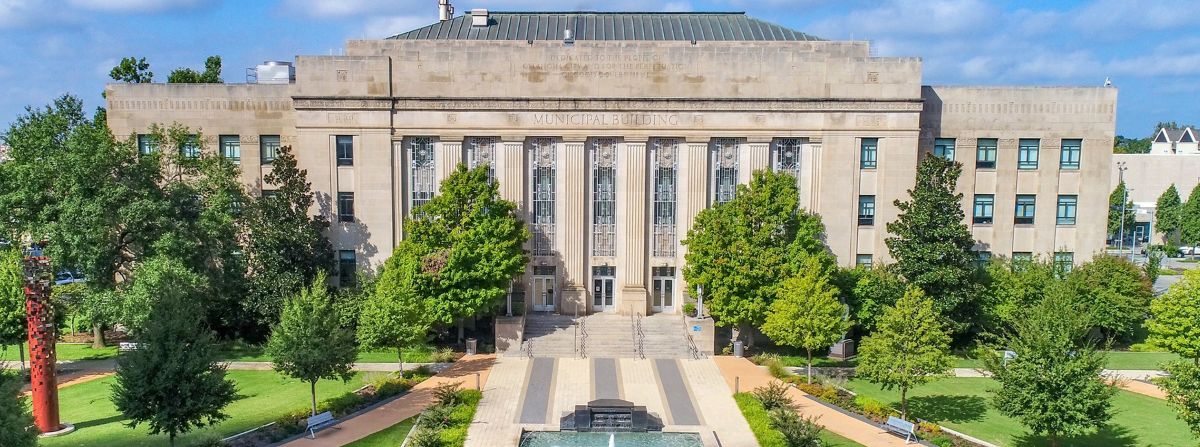
Image generated with Ai
Image Credit OKC.gov
Once accounting tools are filed away, what really stuck in Oklahoma’s 2026 Tourism surge was pride, community, and connectivity. Behind the $12.76 Billion record is the Bricktown dinner, the Cain’s Ballroom show, and the traveler on Route 66. Oklahoma does not just gain a record from tourism spending; towns throughout the state receive money. Schools within the state gain a budget, and the state gives 109,000 Oklahomans a chance to own and operate their own businesses. Now, Oklahoma’s spirit is celebrated and not just used as a state to pass through. It’s no wonder why those across the world fall in love with Oklahoma, because it has come to fill its potential and be what it was always meant to be.
How Does Oklahoma Tourism Record Economic Impact Transform Local Economies in 2026?
In 2026, Oklahoma achieved a historic watershed moment in its travel sector as total statewide visitor expenditure surged to an unprecedented £10.1 billion ($12.76 billion). According to comprehensive research released by Dean Runyan Associates and the Oklahoma Tourism and Recreation Department (OTRD), this dramatic expansion represents an extraordinary 57% growth in direct travel spending since 2020. Across all 77 counties, the influx of 25.2 million annual travelers generated £2.68 billion ($3.4 billion) in worker payrolls, supporting up to 110,000 jobs and contributing £753 million ($954 million) in total tax receipts.
Advertisement
Advertisement
Consequently, key municipalities including Oklahoma City, Tulsa, Norman, Lawton, and Broken Arrow have successfully leveraged targeted sports investments, heritage preservation, and cultural infrastructure to diversify their municipal tax bases, save local households hundreds of pounds annually, and establish long-term economic stability.
Why Is Oklahoma City Leading the State in Visitor Expenditure and GDP Generation?
Advertisement
Advertisement
Oklahoma City continues to serve as the dominant financial locomotive of the state travel economy, generating an exceptional £3.79 billion ($4.8 billion) in total economic output. Direct visitor spending across the capital region reached £2.29 billion ($2.9 billion), fueled by a massive volume of 25 million local and international visitors who filled hotels, restaurants, and entertainment venues. Overnight guests served as the primary financial catalyst, generating 56% of all direct expenditure despite accounting for only 8.4 million of the total visitor headcount.
The economic ripple effect of this travel volume substantially relieved tax burdens for municipal residents. The visitor economy generated £312 million ($396 million) in state and local tax receipts, effectively saving every household in Oklahoma City approximately £1,114 ($1,412) annually in taxes that would otherwise be required to maintain public infrastructure and civil services. High-profile international sporting events, preparations for the 2028 Los Angeles Olympics, and major cultural gatherings such as the Oklahoma City Memorial Marathon continue to anchor the capital’s phenomenal tourism GDP expansion.
Advertisement
Advertisement
How Is Tulsa Leveraging Music Culture and Route 66 to Drive Record Revenue?
Tulsa delivered an outstanding performance by recording £1.93 billion ($2.45 billion) in total economic output, underpinned by £1.26 billion ($1.60 billion) in direct traveler expenditure. Welcoming over 10.2 million visitors throughout the year, the metropolitan area generated £142 million ($180 million) in municipal and state tax receipts to strengthen local community development.
Music culture and iconic highway heritage served as the primary engines driving overnight hotel stays and entertainment revenue across Tulsa. Legendary venues like Cain’s Ballroom and multi-day arena events at the BOK Center attracted international music fans, while ongoing preparations and infrastructure upgrades for the upcoming Route 66 Centenary catalyzed widespread international traveler arrivals along the historic Mother Road corridor.
What Role Do Sports and Education Play in Norman Tourism Revenue Expansion?
Advertisement
Advertisement
Norman achieved a remarkable £304 million ($385 million) in total economic impact, backed directly by £197 million ($250 million) in direct visitor receipts. The university city welcomed approximately 2.1 million travelers during the year, directly sustaining 3,800 local hospitality and service jobs across the municipal district.
The primary driver behind Norman’s financial surge was the University of Oklahoma transitioning its athletic programs into the Southeastern Conference (SEC). Major SEC game-day weekends brought tens of thousands of out-of-state supporters into the city, keeping local hotels, dining establishments, and retail venues operating at peak capacity alongside regional sports tournaments and academic conventions.
How Does Eco-Tourism and Military Heritage Fuel Lawton Economic Growth Statistics?
Lawton generated £229 million ($290 million) in total economic output, with direct visitor spending reaching £146 million ($185 million) across the local economy. The city welcomed 1.6 million visitors over the twelve-month period, successfully maintaining 2,900 local employment positions within the regional tourism and hospitality sectors.
Military heritage and natural outdoor attractions worked in tandem to maintain a steady stream of overnight travelers into Lawton. Weekly military graduation ceremonies at Fort Sill provided reliable, year-round hotel occupancy from visiting families, while eco-tourism at the vast Wichita Mountains Wildlife Refuge consistently drew outdoor enthusiasts, hikers, and wildlife photographers to southwest Oklahoma.
Why Is Broken Arrow Emerging as a Premier Suburb for Youth Sports Tourism?
Advertisement
Advertisement
Broken Arrow achieved an impressive £173 million ($220 million) in total economic output, driven by £110 million ($140 million) in direct visitor expenditure. The thriving suburban municipality welcomed 1.2 million travelers during the year, providing direct employment support for 2,100 workers in the community.
The strategic revitalization of the historic Rose District significantly boosted local retail, arts, and culinary revenues by transforming the downtown core into a vibrant pedestrian destination. Simultaneously, regional youth sports tournaments hosted at Broken Arrow’s state-of-the-art athletic complexes served as the primary driver for sustained weekend traveler traffic and hotel bookings.
How Are Statewide Tourism Revenues Distributed Between State Treasury and Municipal Budgets?
Tax receipts generated by visitor expenditure provide vital funding for essential public services throughout Oklahoma. Out of the total £753 million ($954 million) generated in government receipts, state tax mechanisms captured £425 million ($538.3 million) through general sales taxes, fuel levies, and corporate collections. Meanwhile, municipalities and county districts retained £328 million ($416.2 million) via localized lodging occupancy assessments and municipal sales taxes.
State statutes direct specific portions of these revenues into specialized infrastructure funds. The Tourism Capital Improvement Fund receives an annual statutory cap of £7.9 million ($10.1 million) dedicated to upgrading facility assets across state parks. Concurrently, the Oklahoma Tourism Promotion Revolving Fund receives a £4.5 million ($5.75 million) annual allocation to fund national marketing campaigns that sustain long-term visitor demand.
Which Commercial Sectors Capture the Highest Shares of Oklahoma Visitor Expenditure?
Advertisement
Advertisement
Travelers distribute capital across multiple commercial channels, strengthening various private business sectors statewide. Food services and dining venues captured the largest share, absorbing £2.5 billion ($3.2 billion) in overall sales. Automotive transport, highway refueling, and vehicle rental services followed closely with £2.05 billion ($2.6 billion) in gross expenditure.
Retail shopping, souvenir purchasing, and commercial trade generated £1.97 billion ($2.5 billion) across urban and rural markets. Entertainment venues, tribal gaming complexes, and outdoor recreation facilities secured £1.81 billion ($2.3 billion), while traditional hotel accommodations and short-term lodging generated £1.65 billion ($2.1 billion) in direct stay revenues.
How Does Overnight Stay Duration Impact Per-Capita Visitor Revenue Across Oklahoma?
Length of stay directly influences total economic yield per traveler across all regional destinations. While day-trippers represented 16.8 million visitors statewide, their average daily expenditure remained concentrated at £90 ($115) per person, primarily allocated toward fuel, casual dining, and minor retail purchases.
Overnight guests totaled 8.4 million travelers, but accounted for 56% of all direct visitor expenditure. Spending averaged £272 ($345) per day per overnight visitor due to lodging reservations, expanded dining meals, and multi-day attraction passes. Extended multi-night stays continue to produce the highest profit margins for local hospitality providers.
To What Extent Does Tourism Stimulate Rural County Economies Beyond Urban Centres?
Advertisement
Advertisement
Travel-generated capital extends across all 77 counties in Oklahoma, creating economic stability outside major metropolitan markets. Non-metropolitan rural destination hubs led by McCurtain County, Bryan County, and Love County generated a combined £868 million ($1.1 billion) in visitor revenue driven by outdoor recreation, lake tourism, and gaming resorts.
Rural tourism sectors experienced a 0.9% year-over-year employment growth rate, adding 960 net new jobs in non-urban communities. These rural tax receipts directly fund local school districts, county health units, and municipal road maintenance projects without increasing local property tax burdens.
What Is the True Economic Ripple Effect of Visitor Dollars on Non-Tourism Industries?
Visitor spending initiates broad indirect economic activity throughout secondary business supply chains across Oklahoma. Beyond the £10.1 billion ($12.762 billion) in primary direct purchases, indirect and induced economic outputs contributed an estimated £1.65 billion ($2.1 billion) to local service providers, commercial agriculture, food distributors, and utility providers.
The sector supported £2.68 billion ($3.4 billion) in total payroll compensation for 109,300 direct workers. Economic modeling indicates that every £790,000 ($1 million) spent by traveling visitors sustains approximately 8.6 direct and indirect jobs across the state.
How Do Native American Nations and Tribal Enterprises Drive Statewide Tourism GDP?
Advertisement
Advertisement
Tribal nations serve as key institutional partners within Oklahoma’s overall travel economy. Native American gaming resorts, cultural centers, and hospitality venues generated over £1.73 billion ($2.2 billion) in regional economic output, attracting high-spending domestic and international visitors.
Premier cultural institutions such as the First Americans Museum in Oklahoma City and the Choctaw Cultural Center in Durant draw hundreds of thousands of heritage travelers annually. Exclusivity fees paid through tribal gaming compacts deliver millions directly into state public education and transportation infrastructure funds.
How Are Infrastructure Investments for the Route 66 Centenary and LA2028 Olympics Boosting GDP?
Strategic capital investments in marquee infrastructure projects are fueling future visitor revenue growth. More than £23.6 million ($30 million) in public and private capital has been directed into highway restorations, neon sign preservation, and roadside visitor facilities along Oklahoma’s 400-mile stretch of historic Route 66.
Concurrently, world-class athletic facilities including OKC Riversport Rapids, selected as an official training site for Olympic canoe slalom and softball ahead of the 2028 Los Angeles Olympic Games are projected to deliver over £19.7 million ($25 million) in direct international sports tourism output.
The Final Verdict
Advertisement
Advertisement
The projected 2026 tourism spending in Oklahoma will go beyond tax forms and economic worksheets. It is estimated that over $12 billion will be spent on real people and real experiences. This money is paid to families who took a meal in Bricktown, enjoyed entertainment at Cain’s Ballroom, or looked along the original Route 66. This means more than dropping a few zeroes somewhere in a budget. It means an investment in the communities of rural Oklahoma. It means investments in local businesses, preserving our heritage, and funding public schools. it means 109,000 additional jobs for Oklahomans. New businesses development across the state ensures Oklahoma will no longer be seen as a Pass-through state because travelers will experience traveling to Oklahoma’s heart and soul for the first time. This will capture and maintain the interest of people all around the world. Record spending shows people always believed that the pride of OK is second to none. The most friendly, welcoming, charming, and exotic new chapter of its story is currently being written.
Frequently Asked Questions
What was the total statewide economic impact of tourism in Oklahoma for 2026?
Statewide tourism generated £10.1 billion ($12.76 billion) in total direct visitor spending, supporting up to 110,000 jobs and producing £753 million ($954 million) in state and local tax receipts.
Which city generated the highest tourism GDP in Oklahoma?
Oklahoma City led all municipalities with £3.79 billion ($4.8 billion) in total economic impact, welcoming 25 million visitors and capturing £2.29 billion ($2.9 billion) in direct traveler spending.
Advertisement
Advertisement
How much tax savings do Oklahoma City residents receive from tourism?
Without visitor-generated taxes, each household in Oklahoma City would be required to pay an additional £1,114 ($1,412) annually to sustain existing municipal services and public infrastructure.
Advertisement
