
Montenegro’s Coastal Resorts Drive Strong July Tourism Growth as Visitor Numbers and Overnight Stays Rise

Published
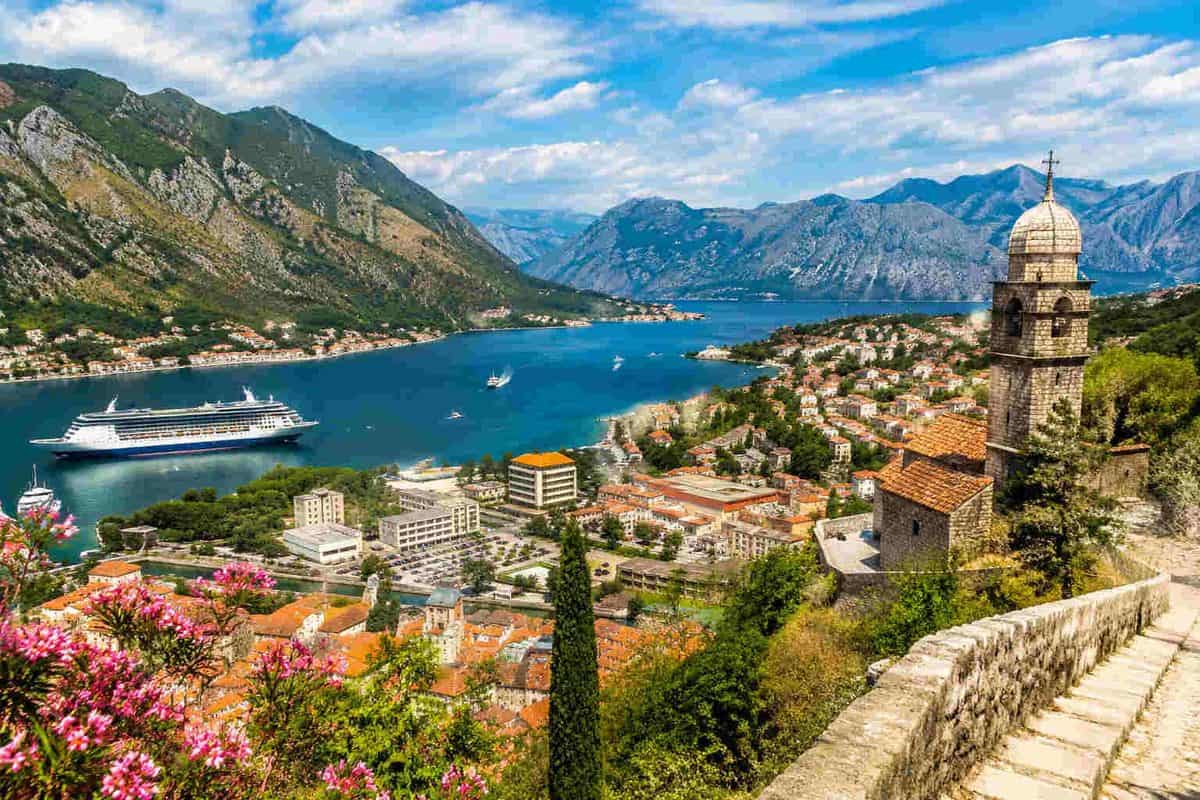
Hotels and resorts in Montenegro had their busiest month of July this year due to the high demand of the country’s Adriatic destinations as they recorded the majority of tourist overnights. In July, Montenegro’s official accommodation recorded 244,754 guests. They also recorded 1,081,249 guest nights in total.
The latest figures underline the continuing strength of Montenegro’s coastal tourism industry. Budva, Herceg Novi, Bar and other seaside destinations remained at the centre of demand as international visitors returned for summer holidays along the Adriatic.
Advertisement
Advertisement
Although the statistical release did not include direct annual comparisons, figures published for July 2025 provide a clear indication of growth. Hotels and resorts accommodated 234,403 tourists in that month, with guests generating 1,040,610 overnight stays.
Based on those figures, July 2026 arrivals increased by approximately 4.4%, while overnight stays rose by about 3.9%. The results point to another solid summer month for the country’s formal hospitality sector.
Advertisement
Advertisement
International Travellers Dominate Montenegro’s Hotel Market
Foreign tourists continued to provide the foundation of Montenegro’s peak-season hotel performance. International visitors generated 91.6% of all reported overnight stays in July, leaving domestic travellers with a comparatively small share of the market.
This heavy reliance on overseas demand reflects Montenegro’s established position as an international Mediterranean destination. The country’s beaches, historic coastal settlements, marina facilities and relatively compact geography have helped it appeal to travellers from neighbouring Balkan markets and countries farther across Europe.
Advertisement
Advertisement
Road connections make Montenegro particularly accessible to visitors arriving from Serbia and Bosnia and Herzegovina. At the same time, flights and organised holiday packages help bring travellers from the United Kingdom and other major European markets.
The July figures demonstrate how closely the performance of the hotel industry remains connected to international travel conditions. Airline capacity, road accessibility, border procedures and economic confidence in key source markets can all influence accommodation demand during the short but commercially important summer season.
Advertisement
Advertisement
Adriatic Resorts Capture More Than Nine in Ten Overnight Stays
Montenegro’s coastline remained the undisputed centre of tourism activity. Adriatic resorts accounted for 92.4% of all nights spent in hotels and resorts during July.
Budva, Herceg Novi and Bar were among the major coastal destinations benefiting from this seasonal movement. Each offers a different visitor experience, allowing Montenegro to serve several segments of the holiday market.
Budva is widely associated with beaches, nightlife, restaurants and a lively summer atmosphere. Herceg Novi combines coastal scenery with historic streets and access to the Bay of Kotor region. Bar offers beaches, port connections and cultural attractions, including the historic settlement of Stari Bar.
The dominance of the seaside market is unsurprising in July, when warm weather and long daylight hours create favourable conditions for beach holidays, sailing, excursions and outdoor dining. The concentration also shows why coastal infrastructure, water management, transport services and responsible development remain important to the country’s tourism prospects.
Advertisement
Advertisement
With more than nine out of every ten reported overnight stays concentrated along the Adriatic, even modest changes in coastal demand can significantly influence Montenegro’s national tourism performance.
Podgorica Attracts a Smaller but Important Visitor Share
Podgorica accounted for 3.7% of overnight stays recorded in hotels and resorts during July. While this share remained far below the figure reported for coastal areas, the capital serves a different and important tourism function.
Visitors use Podgorica for business trips, official travel, short city breaks and onward journeys to other parts of Montenegro. Its position as the country’s principal administrative and transport centre also makes it a practical gateway for travellers moving between the coast, mountain regions and neighbouring countries.
The capital is unlikely to challenge seaside resorts for peak-summer leisure demand. However, it can help Montenegro develop a more balanced year-round visitor economy. Business events, cultural tourism and regional transport connections may support accommodation demand outside the busiest coastal months.
Mountain Resorts Offer Scope for Wider Tourism Development
Mountain destinations represented 2.6% of reported overnight stays in July, while other locations collectively accounted for 1.4%.
These comparatively modest shares highlight the scale of the gap between Montenegro’s coastal and inland tourism economies. They also point to opportunities for future growth.
Advertisement
Advertisement
Mountain areas can appeal to travellers interested in hiking, nature, adventure activities and cooler summer conditions. Greater promotion of national parks, rural communities and outdoor experiences could encourage visitors to explore beyond the established Adriatic corridor.
Expanding inland tourism would also help distribute visitor spending more widely. Local accommodation providers, restaurants, guides and transport businesses could benefit if more coastal tourists extended their itineraries into the country’s mountainous interior.
However, the July results confirm that diversification remains a gradual process. Montenegro’s international tourism image continues to be led primarily by its coastline.
Serbia Remains Montenegro’s Largest Foreign Visitor Market
Serbia delivered the highest number of foreign tourists to Montenegro’s hotels and resorts in July, with 42,557 arrivals. Bosnia and Herzegovina ranked second with 13,428 visitors, followed closely by the United Kingdom with 12,949.
The strong Serbian total reflects longstanding social, cultural and transport connections between the two countries. Montenegro remains a convenient summer destination for Serbian travellers, particularly those reaching the coast by road.
Bosnia and Herzegovina also represents an important nearby market. Its geographical proximity allows holidaymakers to travel without relying entirely on air services, supporting demand during the busiest weeks of the season.
Advertisement
Advertisement
The United Kingdom’s position among the three leading foreign markets provides evidence of Montenegro’s broader international reach. British travellers commonly seek coastal holidays, historic destinations and value-focused European breaks, making Montenegro a potentially attractive alternative to more established Mediterranean markets.
The balance between regional arrivals and demand from the UK gives the country a useful mix of accessible neighbouring markets and higher-distance international visitors.
Visitors Stay for More Than Four Nights on Average
The relationship between the 244,754 arrivals and 1,081,249 overnight stays suggests an average stay of approximately 4.4 nights per tourist in registered hotels and resorts.
This average indicates that many visitors treated Montenegro as a holiday destination rather than a brief transit stop. Longer stays are particularly valuable because they can increase spending on accommodation, food, transport, entertainment and local activities.
However, the available monthly statistics do not cover every part of the accommodation market. Tourist arrivals and nights spent in individual or private accommodation facilities were excluded from the reported totals.
That distinction is important in Montenegro, where apartments, villas, guest houses and other privately operated properties form a significant part of the tourism landscape. The actual scale of July travel was therefore broader than the hotel-and-resort figures alone suggest.
Advertisement
Advertisement
Annual Figures Reveal Growth in Arrivals but Pressure on Stays
Montenegro received 2.73 million tourists across all accommodation categories in 2025, representing a 4.7% increase from the previous year. Despite the rise in arrivals, total overnight stays decreased by 1.5% to 15.37 million.
That contrast suggests that attracting more visitors does not automatically produce longer stays. Changes in traveller behaviour, holiday duration, accommodation preferences and regional touring patterns may all affect the number of nights generated.
For the tourism industry, the challenge extends beyond increasing arrival totals. Encouraging visitors to stay longer, explore multiple regions and spend more across local businesses can deliver greater economic value without depending solely on ever-higher visitor volumes.
The July hotel data offered a more positive short-term picture, with both arrivals and overnight stays exceeding their 2025 levels. Nevertheless, the broader annual trend shows why length of stay will remain an important measure of performance.
Tourism Remains Essential to Montenegro’s Economy
Tourism contributes roughly one-quarter of Montenegro’s economy, making the sector critical to employment, investment and business activity.
The July performance reinforces the power of the Adriatic coast as the country’s principal visitor draw. Rising hotel arrivals and overnight stays provided encouraging evidence of demand, while Serbia, Bosnia and Herzegovina and the United Kingdom emerged as the leading foreign source markets.
Advertisement
Advertisement
Yet the figures also reveal a highly concentrated tourism structure. International guests dominate accommodation demand, and coastal resorts receive nearly all reported overnight stays during the peak summer period.
Montenegro’s next opportunity lies in building on this coastal strength while developing the capital, mountain resorts and lesser-visited communities. If that expansion is managed effectively, the country could extend its tourism season, distribute economic benefits more widely and encourage visitors to experience more than its famous shoreline.
Advertisement
