
Cyprus Leads a Luxury Tourism Investment Boom as Malta and Dubai Expand Yachting and Resorts

Published
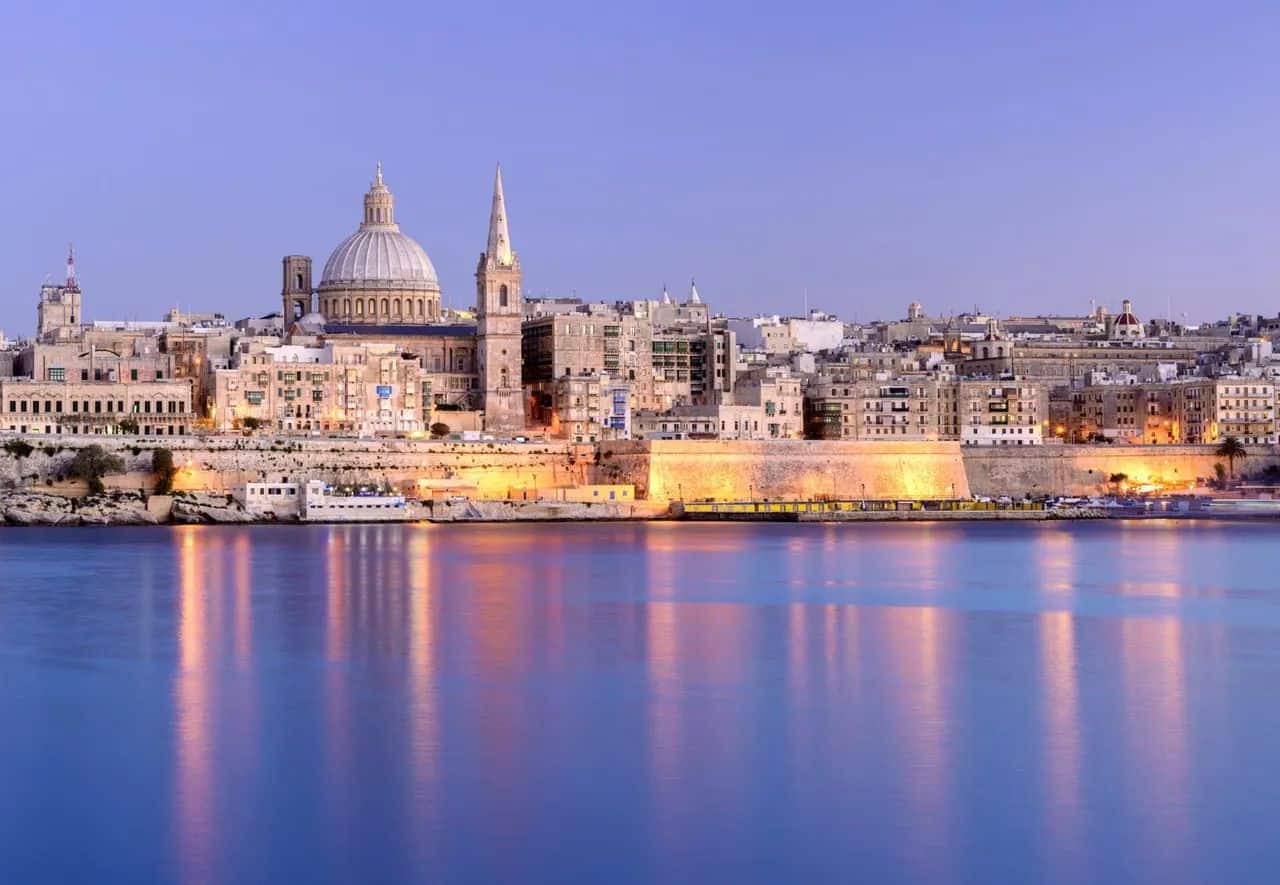
Cyprus, Malta and Dubai are entering a new phase of high-value tourism, with resorts, marinas, branded residences and yachting expanding rapidly. Cyprus recorded 4.53 million tourist arrivals in 2025, generating €3.70 billion in tourism revenue. Malta welcomed 4.02 million tourists, with expenditure reaching €3.90 billion. Dubai hosted a vastly larger 19.59 million overnight visitors, while hotel performance strengthened across the emirate. The destinations differ sharply in scale, geography and market structure. However, their investment strategies increasingly target affluent travellers seeking privacy, waterfront experiences, wellness and premium hospitality. Luxury tourism investment is therefore becoming less about adding hotel rooms alone. Instead, developers and tourism authorities are building interconnected visitor economies around accommodation, yachting, property, dining, leisure and longer stays.
A New Luxury Map Is Emerging
The traditional luxury holiday centred on an expensive hotel room and a high-end restaurant. The emerging model is considerably broader, linking resorts, private residences, marinas, yachts, wellness, gastronomy and premium retail within one destination ecosystem.
That shift matters because affluent travellers generate spending across several sectors. A visitor arriving for a resort stay may also charter a yacht, book wellness treatments, dine at premium restaurants and explore investment opportunities. Therefore, destinations increasingly measure success through economic value rather than arrivals alone.
Cyprus provides a revealing example. Its tourist arrivals increased 12.2% in 2025, while tourism revenue rose by 15.2%. That gap suggests that visitor value grew faster than visitor volume, although average spending increased more modestly.
Advertisement
Advertisement
| Destination | 2025 visitors | Tourism expenditure/revenue | Per-capita expenditure |
|---|---|---|---|
| Cyprus | 4.53 million | €3.70 billion | €815 |
| Malta | 4.02 million | €3.90 billion | €971 |
| Dubai | 19.59 million overnight visitors | Not directly comparable | Methodology differs |
The figures should not be treated as a perfect league table. Cyprus and Malta publish national tourism expenditure measures, while Dubai’s published tourism statistics use a different methodology. The comparison is therefore most useful for understanding scale, visitor value and investment direction, rather than declaring a single market leader.
Cyprus Builds A Broader Waterfront Proposition
Cyprus is moving beyond its established sun-and-sea proposition. Its National Tourism Strategy 2035 places greater emphasis on sustainable development, infrastructure, special-interest tourism and dispersing tourism activity throughout the year.
Advertisement
Advertisement
The strategy specifically identifies maritime tourism and luxury yachting as areas capable of expanding the island’s tourism product. It also envisages Cyprus strengthening its position as a yachting hub and island-hopping base in the Eastern Mediterranean.
The timing is significant. Cyprus handled 7.10 million total traveller arrivals in 2025, with air traffic accounting for 96.8% of arrivals and departures. Tourist arrivals alone reached 4.53 million, with the UK accounting for 31.8% of tourist traffic. Israel contributed 13%, while Poland represented 8.2%.
Advertisement
Advertisement
Real estate adds another dimension. Cyprus recorded €6.5 billion in property transactions during 2025, an 8% annual increase. Residential property accounted for €4.5 billion, or 69% of total transaction value. Limassol alone represented 41% of transaction value despite a marginal annual decline.
That creates a potentially powerful visitor-investor pipeline. Luxury accommodation can attract a traveller initially, while waterfront residences and marina infrastructure can encourage longer stays and repeat visits. Yet property activity should not automatically be interpreted as tourism demand, because the two markets have different buyers and motivations.
Malta Converts Maritime Strength Into Value
Malta’s proposition is different. Its tourism economy already combines heritage, hospitality, aviation and maritime services, giving luxury travel a strong nautical component.
The country welcomed 4.02 million inbound tourists in 2025, up 12.9%. Tourist nights reached 25.4 million, while expenditure climbed 18.6% to €3.90 billion. Per-capita expenditure rose from €924 to €971, providing a clearer indication of value growth.
Advertisement
Advertisement
The Malta Tourism Authority is now explicitly pursuing a lower-impact, higher-value tourism model. That strategy also recognises the need to diversify markets and strengthen year-round demand rather than relying excessively on seasonal traffic.
Malta’s superyacht economy offers unusually concrete evidence of the maritime opportunity. Official research estimated around €61 million in direct economic contribution from the superyacht segment in 2022. The figure included contributions from VAT, shipyards, refit operations, agents, marinas and ancillary activities.
The statistic also reveals why yacht tourism matters beyond the vessel itself. Crew services, fuel, retail, transport, technical work and professional services all form part of the surrounding economic network. The official estimate excludes wider indirect effects, meaning the €61 million figure should not be presented as the complete economic footprint.
Malta is also entering new luxury maritime territory. In March 2026, the Four Seasons Yacht 1 arrived in Malta with 95 suites and capacity for 180 guests. Such products connect luxury cruising with destination stays, shore experiences and high-end spending.
Dubai Operates At A Different Scale
Dubai changes the equation because its visitor economy is considerably larger and more vertically integrated.
The emirate welcomed 19.59 million international overnight visitors in 2025, up 5% from 18.72 million in 2024. It also surpassed two million visitors in December for the first time, reinforcing its position as a major year-round tourism hub.
Advertisement
Advertisement
Its hotel sector provides another useful measure. Average occupancy reached 80.7% in 2025, compared with 78.2% in 2024. Average daily rate rose 8% to AED579, while RevPAR increased 11% to AED467. Occupied room nights reached 44.85 million.
Dubai’s luxury ecosystem also extends deep into property. Its real-estate market recorded transactions exceeding AED917 billion in 2025, up 20% year on year. Luxury property investments reached AED3.98 billion, while total real-estate investment exceeded AED680 billion.
The result is a destination where tourism, property and hospitality reinforce each other. A visitor can move from an international hotel to a branded residence, yacht charter, beach club, fine-dining venue or luxury retail district without leaving the wider destination ecosystem.
Yachting Is Becoming A Luxury Multiplier
Yachting deserves particular attention because it changes how destinations capture visitor spending.
A conventional resort visitor primarily generates accommodation, food and leisure expenditure. A yacht visitor can additionally create demand for berthing, fuel, provisioning, maintenance, crew accommodation, charter services and specialist marine services.
Cyprus has incorporated this logic into its long-term tourism planning. Its official strategy highlights personalised itineraries, privacy and access to less crowded coastal locations as advantages of luxury yachting. It also identifies cooperation with marina operators as part of the island’s development approach.
Advertisement
Advertisement
Dubai has developed a more mature maritime proposition. Its tourism authorities describe the emirate as a hub for yacht owners and charter travellers, supported by marinas, coastal infrastructure and sea-based experiences. The emirate’s location also allows yacht tourism to complement its broader luxury and hospitality economy.
Malta meanwhile possesses an established maritime-services ecosystem. Its official superyacht study demonstrates that the sector already produces measurable economic activity beyond conventional tourism.
Branded Residences Change Traveller Behaviour
The expansion of luxury residences introduces another important development. High-end travellers increasingly encounter destinations where accommodation and ownership sit within the same hospitality ecosystem.
This model can alter the traditional tourism cycle. Instead of arriving once for a hotel holiday, an affluent visitor may return repeatedly after purchasing or renting a residence. The destination then captures value across hospitality, property management, restaurants, marinas, transport and leisure.
Cyprus’ €6.5 billion property market in 2025 demonstrates the scale of the broader real-estate opportunity. Dubai’s much larger transaction market shows how deeply property can become embedded in a destination’s luxury proposition.
However, travellers and investors should distinguish between tourism infrastructure and property investment. Strong property transactions do not necessarily prove that visitors are staying longer or spending more on local experiences.
Advertisement
Advertisement
Visitor Value Matters More Than Volume
The three markets illustrate why visitor numbers alone provide an incomplete picture.
| Measure | Cyprus | Malta | Dubai |
|---|---|---|---|
| 2025 visitor volume | 4.53m tourists | 4.02m tourists | 19.59m overnight visitors |
| Annual visitor growth | 12.2% | 12.9% | 5% |
| Tourism expenditure/revenue | €3.70bn | €3.90bn | Different reporting methodology |
| Per-capita expenditure | €815 | €971 | Not directly comparable |
| Key growth layer | Maritime and special-interest tourism | High-value and maritime tourism | Integrated hospitality and luxury ecosystem |
The Malta figures are particularly striking because its visitor total remained below Cyprus’ level, yet recorded expenditure exceeded Cyprus’ tourism revenue. Different statistical methodologies mean the figures cannot establish a direct performance ranking. Still, they demonstrate why visitor quality, length of stay and spending behaviour increasingly matter to destination planners.
What The Shift Means For Travellers
For travellers, the investment cycle could produce a more diverse luxury product. Cyprus is strengthening its maritime and special-interest offer, Malta is deepening its high-value and nautical proposition, while Dubai continues to expand an already extensive premium ecosystem.
That could mean more resort choices, yacht itineraries, wellness products and integrated waterfront developments. It could also encourage destinations to spread demand beyond traditional summer peaks, improving access to premium experiences during shoulder seasons.
Cyprus is explicitly pursuing a more balanced distribution of tourism across months and regions under its 2035 strategy. Malta is similarly seeking year-round, higher-value demand. Dubai’s hotel performance demonstrates how a diversified destination can sustain substantial occupancy beyond a conventional seasonal model.
The Sustainability Question Gets Harder
The luxury expansion also creates a difficult infrastructure question. Large resorts, marinas, yachts and residences require water, energy, transport capacity and coastal space.
Advertisement
Advertisement
That makes high-value tourism different from automatically sustainable tourism. A smaller number of wealthy visitors can generate substantial economic value, but destination authorities still need to manage environmental and infrastructure pressures.
Cyprus’ tourism strategy places stronger emphasis on sustainable development and green transition. Malta’s current tourism strategy similarly stresses a lower-impact approach. Dubai has also expanded sustainability initiatives within its hospitality sector, showing that luxury growth increasingly comes with environmental performance expectations.
The more important future measure may therefore become the economic value generated per unit of infrastructure, water, energy and coastal land, rather than expenditure per visitor alone.
Where Luxury Travel Goes Next
The emerging market is not simply about more five-star rooms. It is about creating a connected chain from airport arrival to resort, yacht, residence, wellness experience, dining and repeat travel.
Cyprus is building that chain around its Eastern Mediterranean geography and expanding maritime ambitions. Malta is leveraging its compact geography, heritage and established maritime economy. Dubai is using scale, connectivity and integrated development to create a far broader luxury platform.
For travellers, the result will be more choice and increasingly specialised experiences. For the industry, however, the decisive question will be whether these investments create durable local value without overwhelming the destinations that make them attractive.
Advertisement
Advertisement
The next phase of luxury tourism investment will therefore be measured less by hotel openings alone. Instead, destinations will compete through connected ecosystems that make affluent visitors stay longer, return more frequently and spend across a wider range of services. That shift is already visible in Cyprus, Malta and Dubai, although each market is pursuing it through a distinctly different economic model.
FAQs
1. Why are Cyprus, Malta and Dubai attracting more luxury travellers?
Cyprus, Malta and Dubai are expanding premium resorts, marinas, yachting facilities, wellness experiences and high-end residences. These investments aim to attract affluent visitors who typically spend across accommodation, dining, leisure, shopping and maritime services.
2. Which destination recorded the highest tourist arrivals in 2025?
Dubai recorded 19.59 million international overnight visitors in 2025, substantially exceeding Cyprus at 4.53 million and Malta at 4.02 million. However, the destinations use different statistical methodologies, so the figures should not be treated as a direct performance ranking.
3. Why is yachting becoming important for luxury tourism?
Yachting generates spending beyond accommodation, including marina fees, fuel, provisioning, maintenance, charter services and crew-related expenditure. Cyprus and Malta are strengthening their maritime tourism propositions, while Dubai has developed a sizeable luxury marina and yacht ecosystem.
4. How is luxury tourism investment changing the travel experience?
The market is moving beyond conventional five-star hotels towards integrated destinations combining resorts, branded residences, yachts, wellness, fine dining and private experiences. This can give affluent travellers more personalised itineraries and encourage longer or repeat visits.
5. Is the expansion of luxury tourism sustainable?
Not automatically. Luxury resorts, marinas, yachts and residences can increase pressure on water, energy, coastal land and transport infrastructure. Cyprus, Malta and Dubai are therefore placing greater emphasis on sustainability and higher-value tourism, although the long-term environmental impact will depend on how these developments are managed.
Advertisement
