
South Korea Joins Forces With Japan And More As Haeundae Beach Drives New Urban Travel Experiences

Published
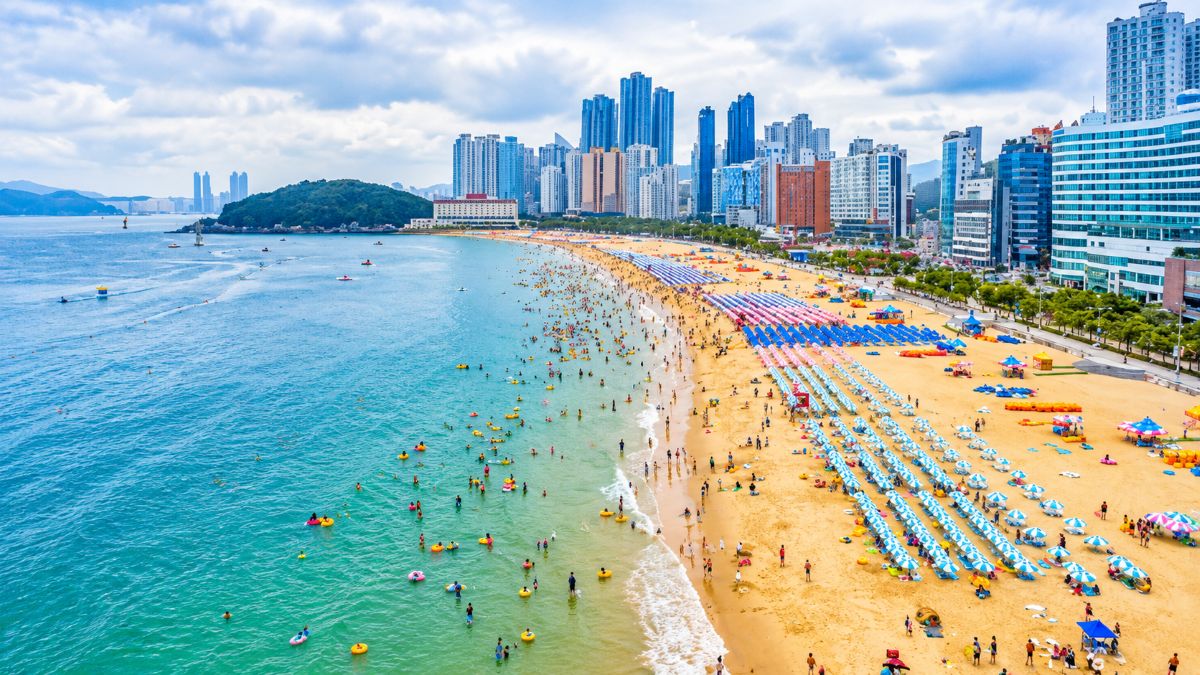
South Korea’s Haeundae Beach continues to stand out as one of Busan’s most recognisable coastal destinations, combining a broad sandy shoreline with the energy of a major modern city. Located in Haeundae District in southeastern South Korea, the approximately 1.5-kilometre beach stretches beside high-rise buildings, hotels and an extensive urban waterfront. Its setting gives travellers an unusual combination of seaside relaxation and metropolitan convenience, making it particularly appealing during the country’s summer travel season. Around ten million visitors are associated with the beach during the summer period, underlining its importance to Busan’s tourism landscape and its enduring popularity among domestic and international travellers.
The appeal of Haeundae Beach extends well beyond swimming and sunbathing. Its gently sloping coastline supports a range of recreational activities, while the surrounding promenade provides opportunities for walking, running and cycling. Visitors can also explore Dongbaekseom, enjoy restaurants and evening entertainment, discover local street food at Haeundae Market and experience seasonal events such as the Haeundae Sand Festival. Together, these attractions create a destination where leisure, outdoor activity, food, culture and urban sightseeing can be experienced within a compact coastal area.
Advertisement
Advertisement
Haeundae Beach Offers A Distinctive Urban Seaside Experience
Haeundae Beach has become synonymous with Busan’s coastal identity. Unlike remote beach destinations that require travellers to choose between nature and city facilities, Haeundae places both experiences side by side. Tall buildings and hotels rise behind the sand, while the open sea provides a contrasting landscape in front of the shoreline.
This combination makes the beach particularly versatile for travellers with different interests. Families can spend time beside the water, active visitors can explore the promenade, and leisure travellers can move between the beach, restaurants and shopping areas without leaving the wider Haeundae district.
Advertisement
Advertisement
The gently sloping coastline is also an important feature of the destination. During the summer season, the beach becomes a major gathering point, with visitors arriving for swimming, relaxation and recreational activities. Its established tourism infrastructure further supports the experience, allowing travellers to combine a beach visit with accommodation, dining and sightseeing in the surrounding area.
Advertisement
Advertisement
Water Sports Add Adventure To Busan’s Famous Coast
Haeundae Beach is not limited to traditional seaside activities. Water-based recreation contributes another dimension to its tourism appeal, particularly for travellers seeking an active holiday in Busan.
Surfing is among the activities associated with the beach, with nearby surf schools providing lessons and equipment for visitors who want to learn the basics. More experienced participants can also encounter conditions suitable for recreational surfing. The period from June to October is generally regarded as a useful season for surfing in the area, although actual conditions can vary.
Other activities available around the waterfront include stand-up paddleboarding, kayaking and jet skiing. Boat trips provide another way of experiencing the coastline, giving visitors an opportunity to view Busan from the water rather than solely from the beach.
Advertisement
Advertisement
| Haeundae Beach Experience | Travel Appeal |
|---|---|
| Swimming and sunbathing | Relaxation along a gently sloping urban beach |
| Surfing | Activity for beginners and more experienced visitors |
| Stand-up paddleboarding | Water-based recreation close to the city |
| Kayaking and jet skiing | Adventure-focused coastal activities |
| Walking and cycling | Accessible ways to explore the waterfront |
| Dongbaekseom | Scenic coastal walking and exploration |
| Haeundae Market | Local food and street-food experiences |
| Sand Festival | Seasonal art and cultural entertainment |
The Waterfront Extends Beyond The Sand
The experience of visiting Haeundae Beach does not end at the shoreline. A broad promenade creates additional space for travellers who want to remain close to the sea without taking part in water activities.
Walking and running are particularly popular ways to experience the waterfront, while cycling offers another option for exploring the area. The combination of open coastal views and surrounding urban development creates a distinctive landscape for visitors interested in photography and sightseeing.
Advertisement
Advertisement
At the southwestern end of Haeundae Beach, Dongbaekseom provides another notable destination. Although it is commonly referred to as an island, it is now connected to the mainland. Its coastal setting makes it a natural extension of a Haeundae visit and offers travellers a change of pace from the busy beach environment.
Haeundae Becomes A Different Destination After Sunset
Haeundae Beach also demonstrates how a destination can change character throughout the day. As daylight fades, visitors can shift from beach activities to dining and entertainment in the surrounding district.
Restaurants and bars near the waterfront attract travellers looking for an evening experience, while the illuminated skyline creates a striking contrast with the dark sea. Reflections from nearby buildings can add another visual dimension to the waterfront after sunset.
Food is another important part of the evening experience. Haeundae Market provides an opportunity to explore Korean street food and local flavours, with food stalls and businesses serving visitors across much of the day. For travellers interested in experiencing Busan beyond its major landmarks, the market offers a more informal connection with the city’s everyday culinary culture.
Haeundae Sand Festival Adds Art To The Coastal Calendar
Seasonal events contribute significantly to Haeundae Beach’s identity. One of the most distinctive is the Haeundae Sand Festival, traditionally held around May and June.
Advertisement
Advertisement
During the festival, sand becomes a temporary artistic medium as artists create large-scale sculptures along the beach. The resulting installations transform the familiar shoreline into an outdoor exhibition, providing visitors with an experience that differs considerably from the conventional summer beach holiday.
The festival also illustrates the broader role of Haeundae in Busan’s tourism strategy. The beach functions not only as a recreational space but also as a venue for cultural activity and public events. This combination allows repeat visitors to encounter different experiences depending on the season.
Why Haeundae Beach Appeals To International Travellers
For international visitors, Haeundae Beach offers a straightforward introduction to Busan’s coastal character. The destination brings together several elements commonly sought by modern travellers, including outdoor recreation, local cuisine, cultural events and convenient urban surroundings.
Its location within a major city is particularly significant. Travellers do not have to choose between a beach holiday and an urban break because Haeundae provides access to both. Visitors can spend part of the day beside the sea before exploring restaurants, markets and other attractions in the surrounding district.
The destination also suits different travel styles. Couples may prefer an evening stroll and waterfront dining, families can focus on the beach and accessible activities, while younger and adventure-oriented travellers can explore surfing and other water sports.
Advertisement
Advertisement
Responsible Travel Can Protect Haeundae’s Coastal Appeal
The scale of visitor numbers also makes responsible tourism important. Busy urban beaches require visitors to consider waste management, respect for public spaces and responsible behaviour around the sea.
Travellers can contribute to the long-term quality of the destination by keeping the beach clean, following local safety guidance and respecting public areas during festivals and peak periods. Water activities should be undertaken according to local conditions and operator instructions.
For a destination receiving millions of seasonal visitors, small individual actions can collectively influence the quality of the visitor experience and the condition of the coastal environment.
Haeundae Beach Connects Leisure With The Wider Busan Experience
Haeundae Beach demonstrates why urban beaches continue to play an important role in contemporary travel. Its approximately 1.5-kilometre stretch of sand provides the foundation, but the wider experience comes from the combination of water sports, promenades, Dongbaekseom, restaurants, Haeundae Market and seasonal cultural events.
The result is a destination that can support a full day of activities rather than a short stop for swimming. Morning visitors can explore the waterfront, daytime travellers can enjoy water-based recreation, and evening visitors can turn towards food, entertainment and illuminated city views.
Advertisement
Advertisement
For travellers planning a South Korea itinerary, Haeundae therefore represents more than a conventional beach destination. It is a meeting point between Busan’s maritime identity and its modern urban character, offering a varied coastal experience across different seasons and times of day.
Frequently Asked Questions About Haeundae Beach
1. Where is Haeundae Beach located?
Haeundae Beach is located in Haeundae District in Busan, South Korea, on the southeastern coast of the country.
2. How long is Haeundae Beach?
The beach stretches for approximately 1.5 kilometres along Busan’s urban coastline.
Advertisement
Advertisement
3. Is Haeundae Beach suitable for swimming?
Yes. Its gently sloping coastline makes it a popular swimming and recreational destination during the summer season, subject to local conditions and safety guidance.
4. Can visitors surf at Haeundae Beach?
Yes. Surfing is one of the water activities associated with the beach, and nearby surf schools provide lessons and equipment.
5. When is surfing particularly popular at Haeundae Beach?
Advertisement
Advertisement
June to October is generally considered a suitable period for surfing, although conditions can vary and visitors should check local guidance.
6. What other water activities are available?
Visitors can find activities including stand-up paddleboarding, kayaking, jet skiing and boat trips around the waterfront.
7. What is Dongbaekseom?
Dongbaekseom is a coastal area at the southwestern end of Haeundae Beach. Despite traditionally being called an island, it is now connected to the mainland.
Advertisement
Advertisement
8. What can visitors eat near Haeundae Beach?
Haeundae Market is a popular place to explore Korean street food, while restaurants and other dining venues around the district offer a wider range of local and international choices.
9. What is the Haeundae Sand Festival?
The Haeundae Sand Festival is a seasonal event in which artists create large-scale sand sculptures on the beach, transforming the shoreline into an outdoor cultural attraction.
10. Why is Haeundae Beach important to Busan tourism?
Haeundae Beach combines a major urban beach with recreation, food, nightlife, cultural events and nearby attractions, making it an important part of Busan’s visitor experience.
Advertisement
