
UAE Comes Along With Germany And Other Countries To Deploy Biometric Lounge Gates

Published
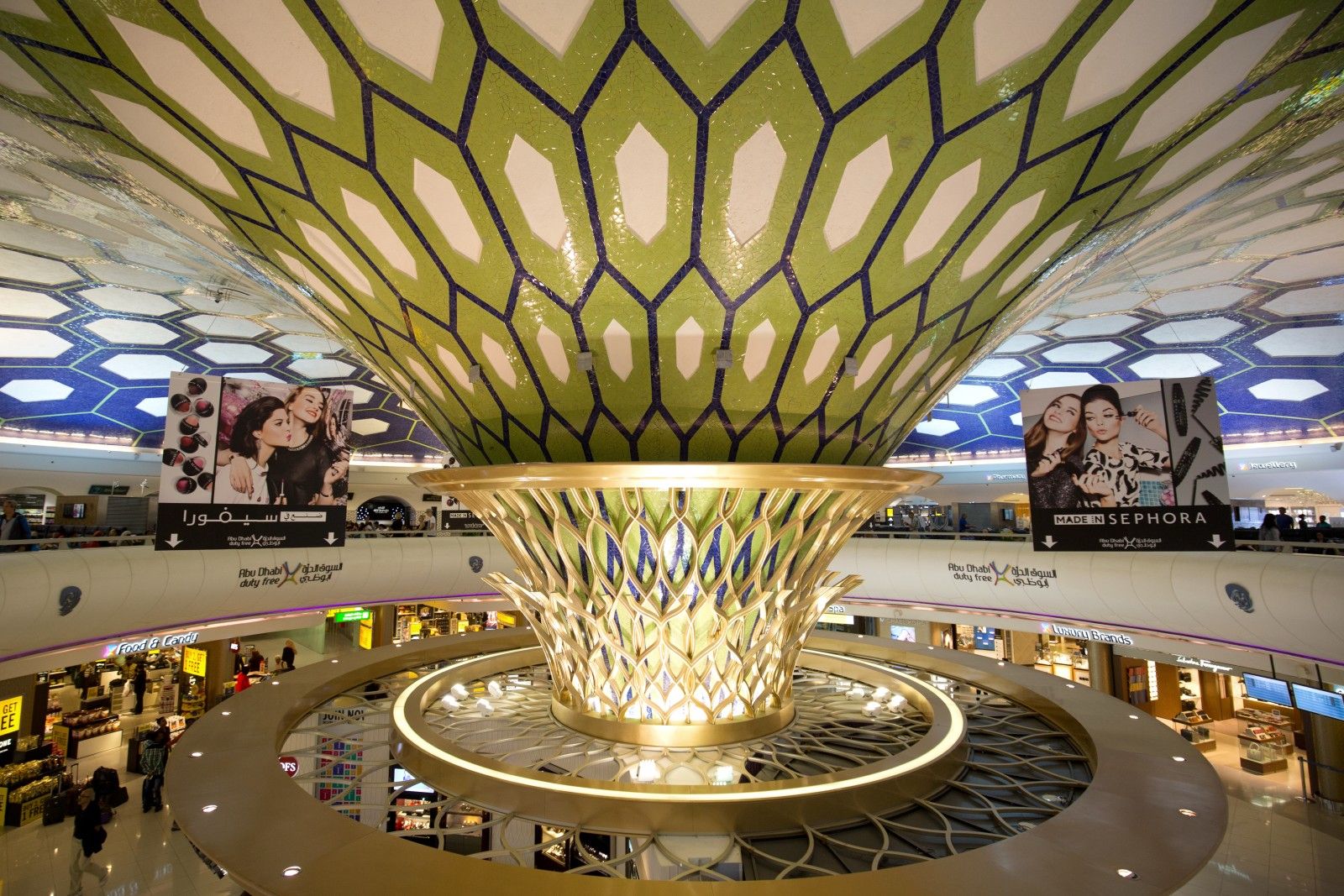
UAE joins forces with Germany and other states to implement biometric lounge gates in the present time period. Such countries lead the way towards revolutionary airport terminals of the future. Their passengers enjoy a quick and easy walk through touchless gates as physical boarding passes disappear at premium lounges. Edge computing enables extraordinary change in aviation today.
Airports are replacing physical boarding passes with facial recognition at lounge gates, allowing premium passengers to enter high-end airline clubs instantly through automated touchless walk-through systems.
Advertisement
Advertisement
The modern airport terminal environment is being transformed by the elimination of the need for physical boarding passes, membership cards, and document checks in the high-end airline lounges. Passengers departing at major international aviation hubs can now gain access to the exclusive first and business-class lounge portals where frictionless biometric walk-through gates recognize them and instantly grant access. By automatically cross-referencing live flight status, frequent flyer tiers, and schedule changes, such automated systems provide passengers with a personalized welcome profile on interior displays. This shift to a touchless passenger experience not only streamlines terminal operations during peak hours, but also redefines the threshold of luxury hospitality by combining advanced edge computing with an effortless passenger identification experience.
Why Are Airlines Replacing Physical Boarding Passes With Biometric Gates?
Traditional airport lounges have long struggled with manual queue bottlenecks during peak morning and evening banking hours when hundreds of elite flyers attempt to access premium facilities simultaneously. Airlines are transitioning to edge-computed facial recognition tokens because decentralized processing eliminates network latency and privacy vulnerabilities while speeding up verification times to under two seconds per traveler. When a passenger approaches the entrance, local cameras capture localized facial vectors and convert them into cryptographic hashes that match against pre-authorized temporary tokens generated securely at check-in. This technological leap ensures that travelers no longer need to fumble through their luggage for paper tickets or open mobile applications while carrying heavy carry-on bags. Furthermore, the integration of Passenger Name Record verification directly with departure control systems allows the gate to validate same-day flight eligibility instantly without human intervention. Consequently, operational efficiency skyrockets as lounge staff are freed from transactional admission duties and redirected toward delivering bespoke hospitality inside the club.
Advertisement
Advertisement
For official updates on digital identity integrations and aviation security frameworks, consult the UAE Government Portal and the German Federal Government Portal.
How Do Global Hubs In Dubai, Frankfurt, Singapore, and The US Implement This?
International aviation hubs are deploying diverse biometric infrastructures to harmonize terminal-wide clearance tokens and streamline premium passenger boarding flows across different continents. In the United Arab Emirates, Dubai International and Abu Dhabi feature advanced biometric smart zones that allow end-to-end touchless processing from curbside drop-off straight into exclusive concourse lounge portals. Meanwhile, Frankfurt Airport has deployed automated biometric validation lanes across flagship carrier spaces to dissolve manual queue bottlenecks and facilitate swift transfers for intercontinental connecting passengers. Singapore Changi Airport relies on touchless access infrastructure across multi-airline alliance lounges, aligning perfectly with its broader strategy of maintaining a fully automated, passport-free departure journey. Across the United States, major network carriers are scaling biometric gate systems at key domestic hubs like Dallas-Fort Worth, Miami, and New York to bridge security checkpoint technologies directly with airline club entry protocols. These international deployments prove that seamless biometric integration has transitioned from an experimental novelty into a baseline operational standard for global carriers.
Advertisement
Advertisement
“This biometric upgrade is an absolute game-changer for frequent flyers! For too long, premium lounge entry has been plagued by frustrating bottlenecks, fumbling for paper boarding passes, and digging through bags while holding heavy carry-ons. Transitioning to edge-computed facial recognition not only slashes wait times to mere seconds but also elevates the entire luxury experience through automated CRM and loyalty hooks. Knowing that ephemeral token architectures protect user privacy makes this touchless revolution even better. It is thrilling to watch global aviation hubs in the UAE, Germany, Singapore, and the US pioneer such seamless futures.”
— Anup Kumar Keshan, Founder and Editor-in-Chief, Travel And Tour World
What Role Do Zero-Touch Loyalty Hooks Play In Modern Terminal Ecosystems?
The true value of biometric lounge access extends far beyond basic security verification by introducing sophisticated zero-touch loyalty hooks that communicate directly with airline customer relationship management databases. The moment an eligible passenger clears the facial recognition gate, automated backend queries instantly retrieve their elite frequent flyer tier, personal preferences, and dietary restrictions to update internal management systems. This invisible digital handshake enables lounge management software to dynamically allocate preferred seating zones or alert specific customer service representatives to greet high-value VIPs by name. Additionally, digital signage and interior displays adapt in real time to welcome the incoming traveler, creating a hyper-personalized atmosphere that reinforces brand loyalty without requiring any manual interaction. By fusing biometric tokens with rich CRM profiles, airlines can anticipate passenger needs before they even take a seat, elevating the lounge experience from a simple waiting area into a tailored hospitality environment.
How Can Airports Balance Frictionless Convenience With Passenger Data Privacy?
As biometric infrastructure expands rapidly across global aviation networks, safeguarding sensitive passenger data against security breaches and unauthorized retention remains an urgent priority for airport operators and regulatory bodies. Modern touchless ecosystems rely heavily on ephemeral, consent-based token architectures that purge facial hashes immediately after a flight departs, ensuring that convenience does not compromise individual privacy rights. Transparent opt-in protocols implemented during the initial check-in phase give travelers full control over how their biometric identifiers are utilized throughout the terminal journey. Furthermore, edge-computing methodologies ensure that high-definition video feeds are never transmitted or stored on centralized cloud servers, drastically reducing the risk of malicious interception. By adhering to strict data protection standards and prioritizing transparent communication, aviation authorities can maintain public trust while delivering the frictionless travel experiences that modern passengers demand.
| Hub / Location | Primary Tech Stack & Mechanism | Target Lounges & Airlines | Operational Impact & Security Approach |
|---|---|---|---|
| United Arab Emirates (Dubai DXB & Abu Dhabi) | Edge-computed facial recognition, biometric smart zones, and live PNR matching | Emirates and Etihad First/Business Class Lounges | Sub-two-second walk-through entry; eliminates paper tickets and apps via curbside-to-lounge token continuity. |
| Germany (Frankfurt FRA) | Automated biometric validation lanes and decentralized departure control system (DCS) hooks | Lufthansa and Star Alliance Flagship Lounges (Terminal 1) | Dissolves manual queue bottlenecks during heavy intercontinental transfer banks while safeguarding data privacy. |
| Singapore (Changi SIN) | Touchless access infrastructure and multi-airline alliance integration | Alliance and independent luxury lounges across terminals | Aligns with passport-free terminal flows, allowing seamless transitions from automated bag drop to seating. |
| United States (Major Hubs: DFW, MIA, JFK, ORD) | Biometric gate systems integrated with TSA PreCheck Touchless ID and CRM platforms | Delta Sky Clubs, American Admirals Clubs, United Clubs | Bridges security checkpoint biometrics directly with domestic airline club entry for streamlined premium boarding. |
Global airports are investing in biometrics heavily: huge crowds of travelers waiting to get through the security check create intolerable delays. Airports forced to introduce automatic recognition to optimize the flow of passengers. The use of edge computing facilitates facial recognition procedures: the software converts facial features into cryptographic hash values for faster comparison with existing data sets. The system only takes a few seconds to determine whether a passenger is authorized to enter. Finally, the processing of personal information in real-time and the creation of a safe token comply with privacy laws. In other words, biometrics improves airport hospitality and ensures the safety of all participants.
The introduction of biometric authentication in the UAE is part of a global trend. The United Arab Emirates, together with Germany, leads the pack of nations in terms of introducing borderless gateways at the airports. Such a system eliminates the need for paper tickets or plastic cards: the new standard is unmatched in its ability to create a comfortable and luxurious experience for a traveler. Information received from the applicant is processed in such a way that it becomes invisible to all but the owner. Moreover, the use of transient tokens within a zero-touch environment allows for providing unique loyalty offers at the airport. Thus, this innovation replaces many of the comforts that the traditional airport used to provide, and this is why the future of the industry is bright.
Image Source: Dubai
Advertisement
