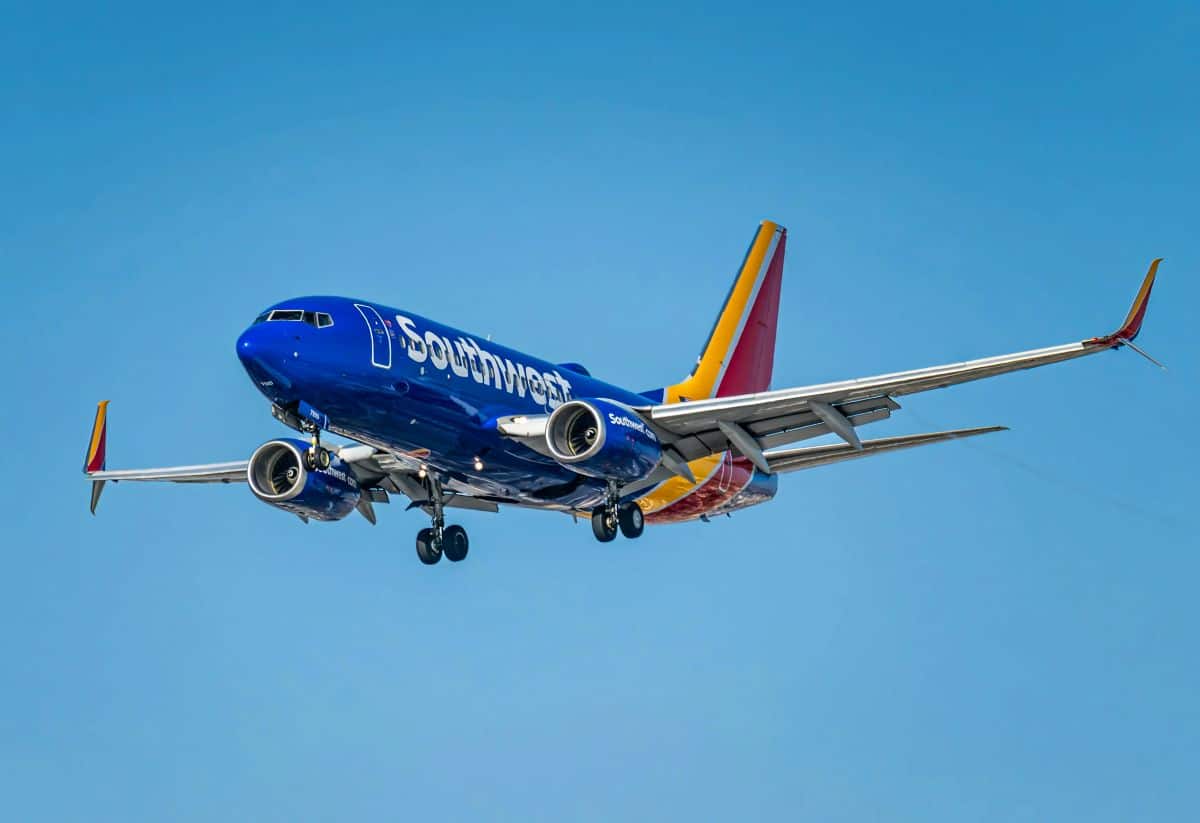
Image generated with Ai
Sudden chaos in the skies! Passengers face unexpected chaos as Southwest Airlines flight WN4546 makes a dramatic, unplanned landing mid-transit.
The absolute shock of a sudden mid-air travel disruption hit passengers hard on 17 July. Southwest Airlines flight WN4546, routing directly from Chicago Midway International Airport to Tampa International Airport, suddenly altered course. The aircraft executed a swift, unexpected change in its flight path. Instead of landing at its planned destination, the jet diverted to Orlando International Airport. This unexpected adjustment left holidaymakers and commuters stranded miles away from their targeted destination. Consequently, travelers faced immediate uncertainty as airline personnel scrambled to handle the unfolding ground logistics. This major disruption highlights the volatile nature of seasonal air transit across the country.
Advertisement
On 17 July 2026, Southwest Airlines flight WN4546, operating a Boeing 737 MAX 8 from Chicago Midway to Tampa, diverted safely to Orlando International Airport due to standard operational triggers. This report explores why flight diversions happen, detailing how severe weather, logistical choices, and strict aviation protocols combine to reshape passenger journeys safely every day.
Every single commercial flight operates under highly strict safety protocols, meaning that even a minor irregularity can instantly trigger a change in the scheduled flight plan. When Southwest Airlines flight WN4546 departed from Chicago Midway (MDW) on 17 July 2026, the flight crew fully expected to land at Tampa International Airport (TPA) within their standard midday arrival window. However, unpredictable atmospheric shifts or minor technical variables over the Florida peninsula forced the experienced pilots to execute a tactical course correction.
Advertisement
By steering the advanced Boeing 737 MAX 8 aircraft away from its original destination, the flight crew followed pre-planned safety paths engineered to keep passengers completely out of harm’s way. While ground observers often worry when a plane lands at an unscheduled airport, these standard diversions represent the aviation industry’s deep commitment to safety rather than an immediate airborne emergency. Pilots routinely collaborate with dispatchers to select nearby alternative runways long before the fuel gauges ever drop to critical reserve levels.

Image generated with Ai
Aviation authorities require all commercial airlines to file clear backup plans before takeoff, ensuring that flights have a designated safe haven if the primary destination becomes unavailable. The most common culprit behind unexpected diversions is severe localized weather, such as the intense, fast-moving afternoon thunderstorms that frequently blanket the southern coastlines during the peak summer months. If sudden wind shear or heavy torrential downpours reduce runway visibility below legal operational parameters, incoming air traffic must enter a holding pattern or head toward clearer skies.
Beyond turbulent weather systems, technical mechanical alerts or sudden medical emergencies on board can also dictate an immediate change in the flight journey. Air traffic control spaces out incoming planes very carefully, meaning that a single blocked runway at the destination airport creates a massive domino effect for dozens of trailing aircraft. By selecting a highly reliable backup airport early, flight crews can maintain full control over the situation while ensuring that everyone on board remains comfortable.
Selecting a suitable diversion airport involves far more than simply looking at a map for the closest available strip of dark asphalt. Airlines deliberately choose large aviation hubs like Orlando International Airport (MCO) because these massive facilities possess the heavy infrastructure required to handle sudden, unscheduled commercial arrivals. Because Orlando sits roughly eighty miles away from Tampa, it serves as the ultimate geographical alternative that requires very little extra fuel consumption to reach during an unexpected airborne rerouting.
Advertisement
Advertisement
Furthermore, Southwest Airlines maintains a massive operational footprint in Orlando, which guarantees that specialized gate agents and certified mechanics are instantly available to service the arriving Boeing aircraft. Having pre-positioned staff on the ground allows the airline to process the diverted passengers quickly, significantly reducing the chaotic logistical headaches that typically follow an off-schedule landing. By landing at a familiar corporate station, the carrier can easily arrange for rapid refueling or organize alternative ground transportation options.
The moment a diverted aircraft touches down on the alternative runway, a complex network of ground logistics instantly springs into action to minimize passenger travel delays. Depending on the exact nature of the delay back at the original destination, the airline will choose between waiting out the issue or terminating the flight entirely. If a passing thunderstorm caused the diversion, the plane will often undergo a quick “gas and go” procedure to fly the short twenty-minute hop back to Tampa.
However, if the destination airport faces a prolonged closure, the carrier will safely deplane the travelers and hire chartered coaches to drive them across the local interstate highways. Many passengers frequently choose to rent their own vehicles or arrange private pickups straight from the diversion hub if it aligns with their personal schedules. Ultimately, while a sudden diversion disrupts initial vacation plans, it stands as a brilliant testament to the rigorous, highly synchronized safety systems that protect global air travel.
Advertisement
Tags: chicago midway international airport, flight diversion, orlando international airport, Southwest Airlines Flight WN4546, Tampa International Airport
Advertisement
Advertisement













Friday, September 4, 2026

Friday, September 4, 2026

Friday, September 4, 2026

Friday, September 4, 2026

Thursday, September 3, 2026

Wednesday, September 2, 2026

Friday, September 4, 2026