
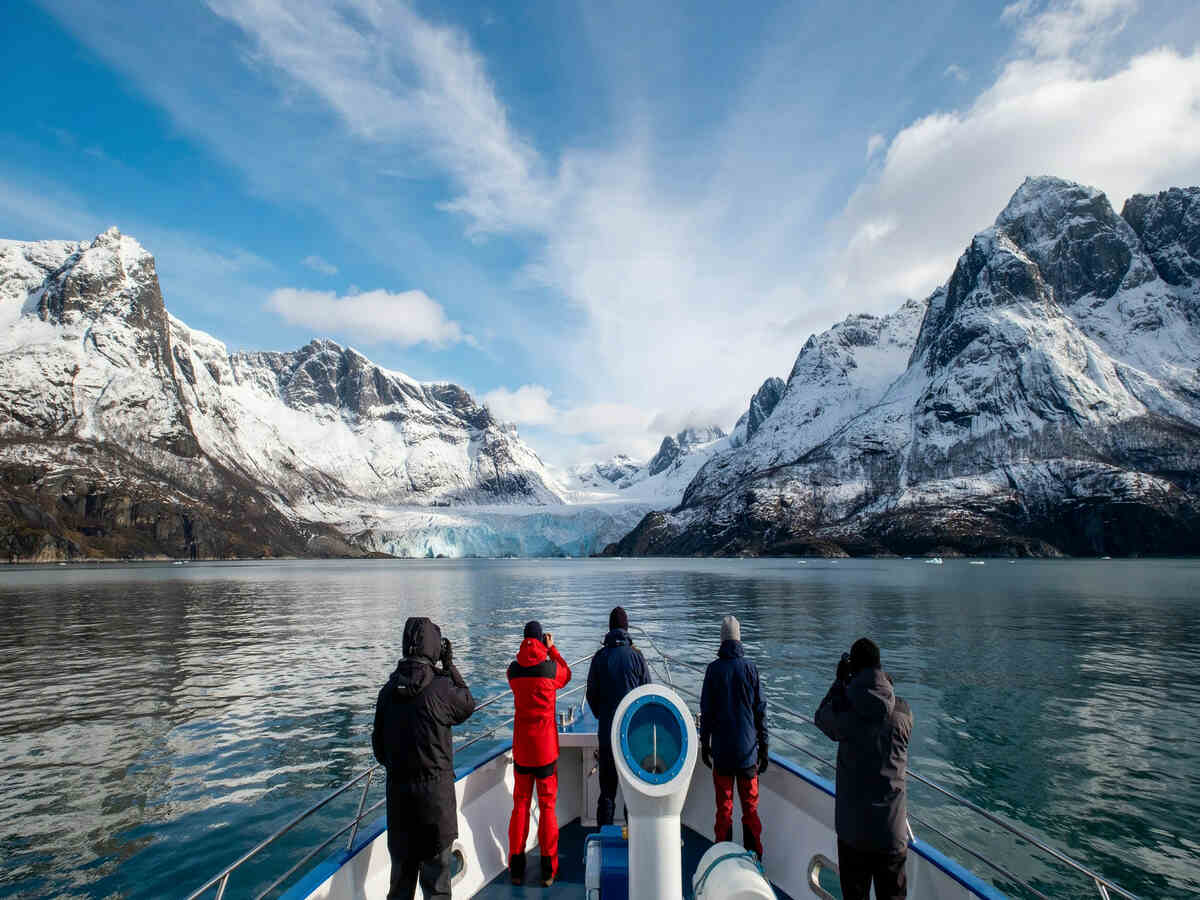
Image generated with Ai
Canada and Finland join hands in making Arctic tourism a reality through northern lights, culture, and adventure. Canada and Finland are working together in an attempt to enhance their Arctic relationship in order to open up new avenues of tourism by utilizing their northern landscape, winter fun, culture, and sustainable tourism. The collaboration goes beyond trade and technology into Arctic tourism.
Both countries share a unique position as Arctic nations. They understand the challenges and opportunities of the far north, from extreme weather conditions to protecting fragile ecosystems. This shared knowledge is helping shape a new era of responsible Arctic tourism where travellers can experience untouched wilderness, Indigenous traditions and extraordinary natural wonders.
The growing relationship between Canada and Finland is supported by cooperation in Arctic expertise, maritime technology, critical minerals, innovation and clean technologies. These developments are creating stronger foundations for tourism infrastructure and connectivity across northern regions.
The Arctic is becoming one of the world’s most exciting travel frontiers. Modern travellers are increasingly searching for unique experiences beyond traditional beach holidays and city breaks.
Advertisement
Canada and Finland are perfectly positioned to benefit from this trend.
Canada offers some of the world’s most dramatic northern experiences, including:
Finland has developed a globally recognised Arctic tourism brand through Lapland, attracting millions of visitors with:
Together, Canada and Finland represent two different but complementary Arctic tourism stories — one built around vast wilderness and Indigenous heritage, and the other around highly developed winter tourism experiences.
Advertisement
Advertisement
The Northern Lights are becoming one of the biggest drivers of Arctic tourism.
Travellers from Europe, Asia and North America are increasingly planning journeys around the chance to see the aurora borealis. Finland’s Lapland has become one of the world’s most famous destinations for this experience, while Canada’s northern territories offer some of the darkest skies on Earth for spectacular aurora viewing.
A stronger Canada–Finland relationship could encourage more international travellers to explore both destinations as part of longer Arctic journeys.
A visitor could experience:
This creates opportunities for travel companies, airlines, cruise operators and tourism boards to develop combined Arctic travel experiences.
Tourism growth in remote Arctic regions depends heavily on transportation, safety and infrastructure.
Canada and Finland are strengthening cooperation in Arctic maritime industries, winter navigation and technology. These areas may support future tourism development by improving access to northern destinations.
One important example is the Icebreaker Collaboration Effort (ICE Pact), a partnership involving Canada, Finland and the United States focused on Arctic and polar icebreaker capabilities. While the initiative is mainly designed around maritime security and industrial cooperation, stronger polar infrastructure could support future expedition travel and Arctic cruise opportunities.
Better Arctic vessels, improved navigation technology and stronger communication systems can help create safer conditions for tourism operators exploring northern waters.
Arctic expedition cruising is becoming one of the fastest-growing segments of adventure tourism.
Travellers are looking for rare experiences such as:
Canada’s Northwest Passage and Finland’s maritime expertise create opportunities for cooperation in safer and more sustainable Arctic travel.
As climate change makes some Arctic routes more accessible, responsible tourism management will become increasingly important. Canada and Finland’s focus on sustainability and technology could help shape a safer future for polar tourism.
A major strength of Arctic tourism is the connection between visitors and northern communities.
Canada’s Indigenous tourism sector provides travellers with opportunities to discover Inuit traditions, storytelling, food, art and ancient connections to the land.
Finland’s Sámi tourism introduces visitors to Europe’s northern Indigenous culture through traditional knowledge, crafts, reindeer culture and Arctic lifestyles.
These experiences are becoming increasingly valuable because modern travellers are looking for meaningful journeys rather than simple sightseeing.
The future of Arctic tourism will not only be about landscapes. It will also be about people, heritage and authentic cultural connections.
Protecting the Arctic environment is becoming a central priority for both countries.
Canada and Finland are promoting cooperation in clean technology, climate solutions and sustainable development. These areas support a tourism model focused on protecting nature while creating economic opportunities for northern communities.
Future Arctic tourism will likely focus on:
The goal is to ensure that tourism growth does not damage the fragile Arctic environment.
The tourism relationship between Canada and Finland is also supported by growing economic ties.
Bilateral merchandise trade reached $2.4 billion in 2025, supported by the Canada–European Union Comprehensive Economic and Trade Agreement (CETA). Stronger economic links can encourage more business travel, investment visits and cultural exchanges between both countries.
Cooperation in mining innovation, battery technology, artificial intelligence and clean industries is creating new reasons for professionals and investors to travel between Canada and Finland.
These connections often strengthen tourism by increasing air links, conferences, events and international partnerships.
The growing Arctic partnership could create opportunities for airlines, tour operators and hospitality businesses.
Potential tourism opportunities include:Sector Future Opportunity Airlines More northern connections and seasonal routes Cruise Companies Arctic expedition voyages Hotels Northern resorts and eco-lodges Tour Operators Combined Canada–Finland Arctic packages Cultural Tourism Indigenous and Sámi experiences Adventure Travel Winter sports and wilderness journeys
As demand rises for unique travel experiences, destinations that offer authenticity and natural beauty are gaining global attention.
Canada and Finland are creating a powerful Arctic partnership that combines nature, innovation and culture. Their cooperation in northern technology, sustainability and infrastructure is helping create the foundation for a new tourism era.
The Arctic is no longer viewed only as a remote and challenging environment. It is becoming a destination filled with adventure, discovery and unforgettable experiences.
From Canada’s vast northern wilderness to Finland’s magical Lapland landscapes, both countries are preparing to welcome a new generation of travellers searching for the ultimate Arctic journey.
The future of Arctic tourism could belong to Canada and Finland — two northern nations turning frozen landscapes into extraordinary travel memories.
Advertisement
Advertisement
Advertisement













Friday, September 4, 2026

Friday, September 4, 2026

Friday, September 4, 2026

Friday, September 4, 2026

Thursday, September 3, 2026

Wednesday, September 2, 2026

Friday, September 4, 2026

Friday, September 4, 2026


