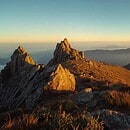
Image generated with Ai
Bulgaria has emerged as one of the European Union’s most seasonally dependent tourism destinations, with nearly half of its annual tourism activity concentrated in just two summer months. According to the latest Eurostat analysis, approximately 43% of all annual overnight stays in Bulgaria occur during July and August, making the country the second most seasonal tourism market in the European Union, behind only Croatia, where the figure stands at around 55%.
The findings underscore both the remarkable appeal of Bulgaria’s summer tourism industry and the growing challenges associated with relying so heavily on a short peak season. While the country’s Black Sea coastline continues to attract millions of domestic and international visitors every summer, tourism experts say the concentration of demand creates operational, economic, and environmental pressures that could be eased through a more balanced, year-round tourism strategy.
Advertisement
Across the European Union, July and August remain the busiest months for tourism. However, the intensity of seasonal concentration varies significantly between member states. Eurostat’s latest data shows that while the EU average records about one-third of annual overnight stays during these two months, Bulgaria’s share reaches approximately 43%, placing it second only to Croatia.
The statistics highlight how Bulgaria’s tourism calendar differs from countries with more diversified visitor patterns. Nations such as Germany, Finland, Austria, and Malta experience a much more even distribution of tourist arrivals throughout the year, supported by city breaks, business travel, winter sports, cultural events, and wellness tourism.
Advertisement
Advertisement
By contrast, Bulgaria’s tourism economy remains closely tied to the summer holiday season.
The country’s strong dependence on July and August is largely attributed to its Black Sea coast, home to popular beach destinations including Sunny Beach, Golden Sands, Albena, Sozopol, and Nessebar. Warm weather, family holidays, school vacations, and competitive travel prices combine to create an intense surge in visitor numbers during the peak summer months.
This seasonal pattern mirrors other coastal destinations across southern Europe. Greece and Croatia also experience sharp spikes in visitor activity during summer, reflecting the natural appeal of Mediterranean and Adriatic beach tourism. Eurostat notes that countries with extensive coastlines and sun-and-sea tourism generally display the highest levels of seasonal concentration across Europe.
While these destinations enjoy significant economic gains during the peak season, they also face common challenges associated with managing sudden increases in visitor numbers.
The concentration of tourism within a narrow two-month window places extraordinary demands on Bulgaria’s tourism infrastructure.
Hotels, resorts, restaurants, transportation services, and municipal facilities operate at maximum capacity during July and August. Roads leading to coastal destinations often experience heavy congestion, accommodation occupancy rates soar, and tourism businesses compete intensely for seasonal employees.
Public utilities—including water supply, waste management, healthcare services, and local transport—must also expand operations rapidly to meet temporary demand. Once the summer season concludes, however, much of this infrastructure becomes significantly underutilized.
This boom-and-bust cycle creates operational inefficiencies for both private businesses and local governments. Investments designed to accommodate peak visitor volumes often remain idle for much of the year, reducing overall economic efficiency.
Labour availability remains another major concern.
Tourism businesses frequently recruit thousands of temporary workers for hotels, restaurants, entertainment venues, and retail establishments ahead of the summer season. Finding qualified staff within a limited timeframe has become increasingly difficult, particularly as many workers seek more stable, year-round employment opportunities.
After August, employment opportunities decline sharply, creating uncertainty for seasonal workers and making long-term workforce planning more difficult for employers.
Industry observers note that extending tourism beyond the traditional summer season could help create more permanent jobs, improve employee retention, and strengthen service quality across the sector.
Tourism analysts increasingly argue that Bulgaria has considerable potential to reduce seasonal dependence by promoting attractions outside the peak beach season.
The country offers a diverse tourism portfolio that includes mountain resorts, cultural heritage sites, wine tourism, wellness and spa destinations, religious tourism, nature parks, and winter sports. These assets could attract visitors during spring, autumn, and winter if supported by targeted marketing campaigns, improved connectivity, and expanded tourism products.
Countries with more balanced tourism calendars often benefit from multiple travel segments operating throughout the year, helping businesses maintain stable revenues and reducing pressure during peak periods.
Eurostat notes that destinations with winter tourism, such as Austria and Finland, experience a secondary seasonal peak that helps distribute visitor flows more evenly across the calendar.
Reducing excessive seasonality is increasingly viewed as an important step toward building a more resilient tourism sector.
A longer tourism season would allow businesses to generate more consistent income, improve infrastructure utilization, support year-round employment, and reduce overcrowding during the busiest weeks of summer. It could also improve visitor experiences by easing congestion while distributing tourism’s economic benefits across more regions and communities.
As European destinations continue to pursue sustainable tourism strategies, Bulgaria faces an opportunity to capitalize on its natural landscapes, historical attractions, wellness facilities, and cultural heritage beyond its renowned Black Sea beaches.
Although summer tourism will remain the backbone of Bulgaria’s travel industry, expanding visitor activity across all four seasons could strengthen long-term competitiveness and create a more balanced tourism economy capable of supporting sustainable growth in the years ahead.
Advertisement
Tags: Black Sea tourism, Bulgaria seasonal tourism, Bulgaria summer tourism, EU tourism statistics, tourism seasonality
Advertisement
Advertisement













Friday, September 4, 2026

Friday, September 4, 2026
Friday, September 4, 2026

Thursday, September 3, 2026

Wednesday, September 2, 2026
Friday, September 4, 2026

Friday, September 4, 2026