
Georgia Embraces Sustainable Tourism with Dreamland Oasis and Stamba Hotel Leading the Way in Eco-Friendly Travel

Published
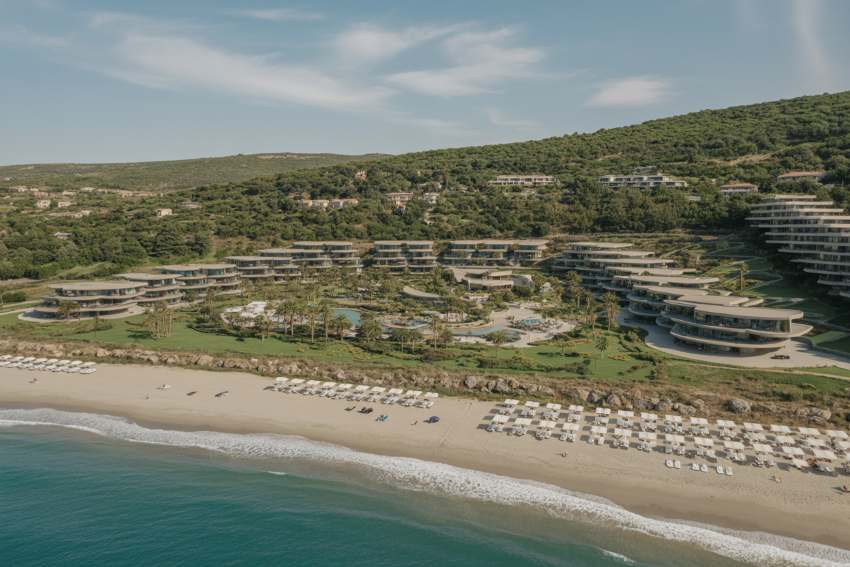 Image generated with Ai
Georgia has been attracting more and more attention as a top travel destination because of its breathtaking scenery, UNESCO World Heritage sites, and historic towns. Travellers are attracted to its picturesque areas, such as Mtskheta-Mtianeti, which range from the vibrant capital of Tbilisi to the Black Sea coast’s Ajara. Nonetheless, Georgia has made progress in sustainability in recent years, coordinating eco-friendly tourism development with sustainable practices. Georgia’s Ministry of Economy and Sustainable Development unveiled a 10-year plan to boost ecotourism in 2021. By improving tourism infrastructure and environmental preservation, this project hopes to benefit nearby communities and lay the groundwork for the industry’s long-term, steady growth.
The Rise of Eco-Tourism in Georgia
Georgia’s ecotourism strategy is a vital part of its long-term tourism vision. The government has prioritised the protection of the country’s natural resources, with a focus on expanding protected areas, managing forests sustainably, and addressing key ecological challenges. As part of this initiative, the country has witnessed a surge in eco-friendly accommodations and community-driven tourism ventures. These efforts have been bolstered by a rise in community-based initiatives aimed at ensuring sustainable practices and ensuring local involvement in tourism growth.
One notable example of sustainable tourism in Georgia is the Stamba Hotel in Tbilisi. Once a Soviet-era publishing house, the building now houses an eco-conscious hotel blending history and modernity. The Stamba Hotel emphasises sustainability, offering innovative amenities like ergonomic co-working spaces, a photography museum, and a cutting-edge vertical farming project that supplies food for its restaurants. By transforming a historic structure into a model of sustainability, Stamba Hotel demonstrates how ecotourism initiatives can seamlessly integrate into the fabric of Georgian hospitality, enhancing the tourism sector while respecting the environment.
Advertisement
Advertisement
Dreamland Oasis: Georgia’s Vision for Sustainable Luxury
One of the most remarkable projects in Georgia’s eco-tourism landscape is Dreamland Oasis, a luxurious resort on the Black Sea coast. This development, conceived with sustainable luxury at its core, is now emerging as a flagship destination for eco-conscious travellers seeking premium amenities in an environmentally friendly setting. Since its inception, Dreamland Oasis has been designed with green spaces and ecological preservation as top priorities. The resort has incorporated the latest trends in hospitality and real estate, blending luxury with a focus on sustainable living.
Advertisement
Advertisement
As the project unfolds, Dreamland Oasis is already making a significant impact on the region’s prosperity, creating numerous opportunities for local businesses and international investors. This sustainable development exemplifies how tourism and sustainability can go hand in hand, providing long-term benefits for both the environment and the local economy. The focus on maintaining ecological balance while providing top-tier accommodations is setting a new standard for resort developments in Georgia.
A Boost for Local Communities and Investment Opportunities
Advertisement
Advertisement
The ecotourism strategy in Georgia is not just about preserving the environment; it is also about ensuring that local communities benefit from sustainable tourism practices. By promoting investments in local, authentic Georgian businesses, the country is creating a tourism ecosystem that supports regional prosperity. This approach is vital for ensuring that the tourism sector develops in a way that benefits both travellers and locals, fostering a more inclusive economic growth model.
The growth of sustainable projects like Dreamland Oasis provides new opportunities for international investors, contributing to the country’s growing real estate market. The development of eco-friendly accommodations, businesses, and tourism-related infrastructure helps to attract investors interested in supporting both sustainable development and high-quality tourism experiences. As these projects gain traction, they are poised to enhance the country’s standing on the international tourism map.
The Future of Eco-Tourism in Georgia
As Georgia continues to evolve into a global ecotourism hotspot, the government’s strategy is proving successful in laying the groundwork for sustainable tourism. The emphasis on eco-friendly practices, the promotion of green spaces, and the support for local communities are paving the way for a tourism model that balances growth with environmental stewardship. The expansion of ecotourism initiatives across the country, such as the Stamba Hotel and Dreamland Oasis, demonstrates Georgia’s commitment to developing its tourism sector in a way that benefits both travellers and locals.
Advertisement
Advertisement
Looking forward, Georgia’s ecotourism sector has the potential to become a model for other countries seeking to integrate sustainability into their tourism strategies. With ongoing support for environmentally conscious projects, the country is positioning itself as a leading destination for eco-conscious travellers seeking authentic experiences in an unspoiled, natural setting.
Georgia’s Path to Sustainable Tourism Success
With projects like the Dreamland Oasis and Stamba Hotel setting the standard for a sustainable, ecologically conscious travel sector, Georgia’s ecotourism strategy is starting to pay off. The accomplishment of these projects demonstrates the nation’s dedication to protecting its natural beauty while promoting economic development. Georgia is establishing a new benchmark for sustainable tourism in the region and providing a model for other nations to follow by promoting eco-tourism initiatives.
Advertisement
