
Scotland Aligns With Ireland and More to Boost Regional Travel Across the Firth of Clyde

Published
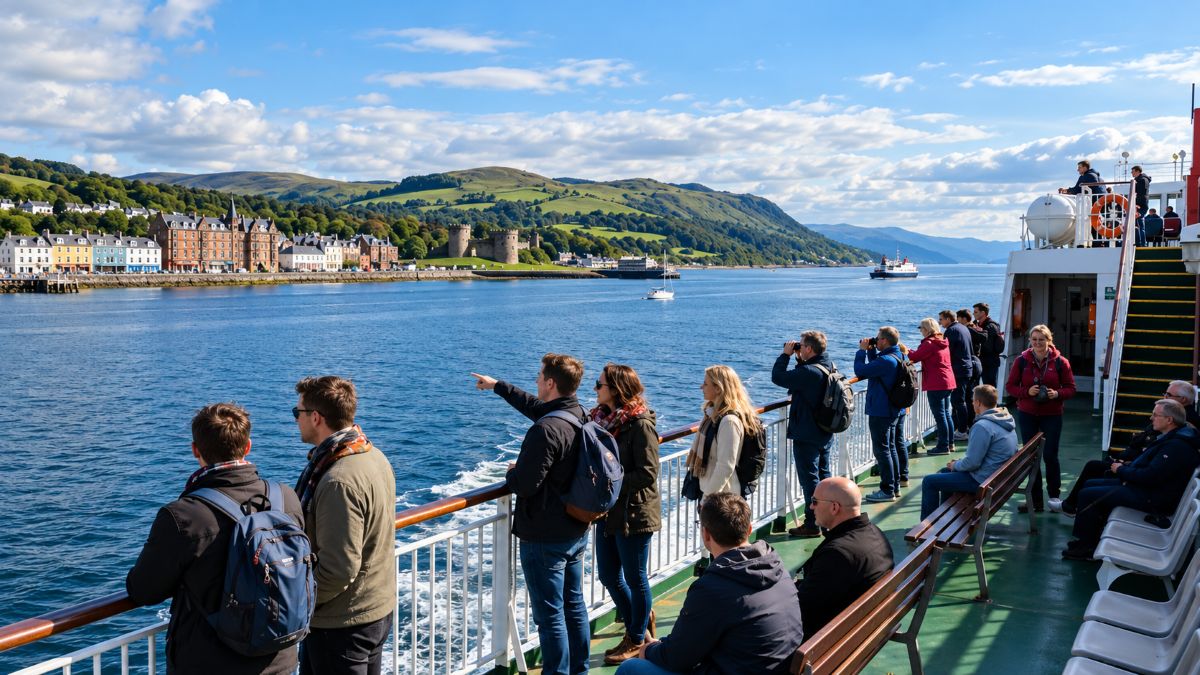
The Isle of Bute represents a remarkable coastal refuge within the sheltered waters of the Firth of Clyde in Scotland, offering a peaceful island escape for travellers exploring the United Kingdom, Ireland and other nearby European destinations. Located close to the urban vibrancy of Glasgow, this historic maritime territory provides visitors with accessible rural serenity. Rothesay, the primary settlement along the eastern shoreline, serves as an ideal base for travellers seeking authentic Scottish experiences. The town features a unique combination of preserved architecture, maritime enterprise and expansive natural scenery. As visitors explore coastal destinations across Scotland and Ireland, Bute offers an appealing alternative to busier mainland attractions, maintaining an unhurried atmosphere throughout the changing seasons.
Travel enthusiasts venturing along the west coast of Scotland can discover a captivating destination shaped by centuries of maritime heritage, while connections with Ireland, England and Wales add wider regional context to travel across the British Isles. Rothesay grew around its imposing defensive stronghold, gradually evolving into an illustrious nineteenth-century holiday retreat. Today, visitors can explore secluded coastal pathways, admire stately country residences and enjoy fresh seafood supplied by local fishing communities. Ferry connections across the Firth of Clyde make the island accessible for travellers planning journeys from mainland Scotland, with opportunities to incorporate Bute into wider itineraries connecting Scotland with Ireland and other parts of the United Kingdom. From historic fortifications to picturesque bays, the island invites exploration through short excursions and relaxed multi-day holidays
Royal Fortifications Define The Historic Core Of Rothesay
The architectural character of Rothesay reflects diverse developmental eras, extending from medieval defense requirements to twentieth-century civic ambition. Rothesay Castle remains the central historic focal point, having evolved from an early timber defensive ring into an imposing stone fortress during the thirteenth century. It served as a strategic stronghold and royal seat for the Stewart monarchs, enduring numerous sieges during prolonged conflicts between Scottish forces and invading armies. The structure gradually fell into ruin after seventeenth-century military engagements. Contemporary visitors explore the preserved circular stone curtain walls, traverse elevated defensive parapets, and inspect the surrounding perimeter moat.
Local conservation efforts protect both the fortress remains and adjacent historic developments from modern degradation. Walking along the raised parapets offers visitors panoramic views over slate rooftops and the busy municipal harbour. Interpretation displays throughout the site outline regional royal lineage, providing educational context for amateur historians and visiting families alike. The nearby Bute Museum enhances this historical narrative through collections detailing local archaeological excavations and maritime industry records. The enduring stonework illustrates how central Rothesay was to Scottish political affairs before modern transport networks redirected national commerce eastward toward the mainland industrial corridors.
Advertisement
Advertisement
Preserved Architectural Treasures Across The Waterfront
During the Victorian era, Rothesay flourished as an affluent coastal sanctuary for holidaymakers arriving via Clyde steamships. Wealthy merchants built decorative sandstone villas overlooking coastal waters, cultivating a distinguished atmosphere that endures today. Along the harbour pier stands an authentic nineteenth-century public facility showcasing original encaustic floor tiles, enamelled basins, and decorative copper pipework. Maintained in working order, these restored washrooms highlight the intricate craft standards characteristic of Victorian municipal design. This civic asset provides architecture enthusiasts with a tangible glimpse into early industrial sanitation engineering combined with genuine decorative artistry.
Continuing past the Victorian pier reveals the Rothesay Pavilion, representing a later transition towards twentieth-century modernism. Built during the nineteen-thirties, the venue features distinctive international-style lines, extensive glass windows, and streamlined curves facing the seafront. Major ongoing restoration projects seek to restore this landmark cultural centre as a modern events venue. Together, these varied structures showcase how architectural trends transformed coastal life across successive generations. Strolling along the promenade allows guests to experience historical periods spanning medieval bastions, grand Victorian terraces, and modern leisure facilities within a single mile.
Advertisement
Advertisement
Sustainable Coastal Gastronomy And Island Produce
The local culinary economy benefits directly from pristine coastal waters that surround the island perimeter. Fishing vessels operate regularly from harbour quays, providing restaurateurs with exceptionally fresh catches. Local bistros highlight regional seafood through traditional chowders, pan-fried white fish, and seasonal crustacean specialties. Diners regularly enjoy hearty pub fare such as fresh haddock and hand-shelled langoustines alongside innovative preparations incorporating diverse spice profiles. The commitment to seasonal sourcing ensures that regional menus reflect marine abundance while maintaining responsible coastal stewardship principles through established local fisheries.
| Destination | Distance from Pier | Primary Attraction | Recommended Duration |
| Rothesay Castle | 0.3 miles | 13th-century circular moat | 1 to 2 hours |
| Mount Stuart House | 4.8 miles | Neo-Gothic estate and gardens | 3 to 4 hours |
| Ettrick Bay | 5.2 miles | Wide sandy beach and tearoom | 2 to 3 hours |
| Scalpsie Bay | 5.5 miles | Red sands and seal watching | 1 to 2 hours |
Informal food establishments along the waterfront serve classic battered fish suppers using fresh dockside deliveries. Pop-up shoreline venues and dedicated food stalls supply flame-grilled scallops and hand-gathered shellfish alongside traditional Cullen skink soup. Food lovers can complement their meals by sampling botanical spirits produced at the Isle of Bute Distillery, which incorporates locally sourced sea kelp and coastal botanicals into distillation runs. The community enterprise hub at Bute Yard hosts seasonal markets showcasing independent bakers, cheesemakers, and craft producers, establishing the island as an exceptional destination for authentic Scottish food culture.
Advertisement
Advertisement
Stately Mansions And Diverse Botanical Sanctuaries
A brief drive south from Rothesay brings visitors to Mount Stuart House, an extraordinary example of Victorian Gothic Revival architecture. Built for the Third Marquess of Bute following a catastrophic nineteenth-century fire, the mansion contains opulent marble halls, stained glass installations, and ornate woodwork. The interior features early residential technology, including private electric lighting and indoor heated pools. Knowledgeable guides direct visitors through historic state apartments, explaining how international artistic traditions influenced regional domestic architecture during an era of unprecedented industrial wealth.
Surrounding the great estate are three hundred acres of curated parkland, botanical enclosures, and native woodland walks. International plant collectors introduced rare Asian conifers and southern hemisphere flora that thrive within the temperate Gulf Stream microclimate. Guests can follow secluded paths leading toward Victorian rock gardens, manicured terraces, and a tranquil private shoreline. The estate blends human design with natural geography, creating an essential educational resource for horticulture enthusiasts. Visiting Mount Stuart offers insight into Victorian domestic life, artistic patronage, and landscape architecture in an intact rural setting.
Remote Coastal Bays And Marine Wildlife Watching
Beyond historic architecture, Bute features varied coastal ecosystems easily reached by public transport or private vehicle. Ettrick Bay, positioned on the western shoreline, extends for a mile of firm sand overlooking the mountains of Arran. The bay provides safe paddling waters, scenic walking terrain, and a well-patronised tearoom serving fresh baked goods. Because Bute escapes mainland tourist congestion, walkers often enjoy open stretches of beach in undisturbed quiet. The coastal environment provides an excellent setting for low-impact recreation, coastal landscape photography, and beachcombing throughout the changing tides.
Farther along the southwest coast, Scalpsie Bay offers an untamed natural atmosphere marked by distinctive reddish sands. The sheltered inlet provides an important breeding ground for grey and common seals, frequently seen resting on exposed rocks at low tide. Coastal bird species, including oystercatchers, curlews, and diving gannets, feed regularly along the dynamic tidal shallows. Agricultural pastures border the beach, where livestock graze close to the waterline under expansive western skies. This combination of marine biodiversity and agricultural serenity makes Scalpsie an outstanding sanctuary for nature enthusiasts seeking coastal solitude.
Advertisement
Advertisement
Practical Ferry Logistics And Travel Recommendations
Travelling to Bute is straightforward using reliable public transport options from central Scotland. Rail services depart regularly from Glasgow Central station, connecting directly to the ferry terminal at Wemyss Bay. The modern ferry provides a thirty-five-minute crossing across the Firth of Clyde into Rothesay harbour. Foot passengers can board conveniently without prior reservations, while vehicle operators should book ferry space ahead during peak summer months. Arriving by sea allows travellers to appreciate approaching island hills, defensive coastal battlements, and harbour architecture from the water.
Navigating the island is convenient through local bus routes connecting central Rothesay to major regional attractions. Bringing a bicycle provides another practical way to traverse low-gradient roads linking bays and historic estates across the central plain. Local retail shops provide equipment hire and route advice for self-guided cycle tours. The island remains welcoming across all seasons, with spring wild flowers, mild summer temperatures, and crisp autumn light offering distinct advantages. Planning a trip to Bute reveals a balanced destination combining heritage preservation, fresh seafood, and peaceful Scottish island scenery.
Frequently Asked Questions
Where is the Isle of Bute located?
The Isle of Bute is situated within the Firth of Clyde, located just off the western coast of the Scottish mainland, roughly thirty miles west of Glasgow.
How do visitors travel to Rothesay from Glasgow?
Travellers take a regular train service from Glasgow Central directly to Wemyss Bay station, followed by a thirty-five-minute CalMac passenger and vehicle ferry crossing to Rothesay.
Advertisement
Advertisement
Do visitors require a private vehicle to explore Rothesay?
No, Rothesay is very walkable for foot passengers, and local bus networks, bicycle hire, and regional taxi services easily connect the harbour to Mount Stuart and surrounding beaches.
What architectural features make Rothesay Castle unique?
Rothesay Castle features an unusual thirteenth-century circular curtain wall plan surrounded by a wide defensive moat, serving historically as an ancestral fortress of the Scottish Stewart monarchs.
Can the Victorian public toilets in Rothesay still be visited?
Yes, the restored nineteenth-century public washrooms situated beside the harbour are open to visitors and remain operational, featuring original mosaic tiles and decorative brass fittings.
Advertisement
Advertisement
What notable attractions exist at Mount Stuart House?
Mount Stuart House presents neo-Gothic domestic architecture, a grand Marble Hall, rare art collections, early industrial domestic amenities, and three hundred acres of curated gardens.
Which beaches are most accessible from central Rothesay?
Ettrick Bay offers an expansive sandy shoreline and cafe on the western coast, while Scalpsie Bay to the southwest is known for scenic red sand and seal colonies.
What varieties of seafood are featured across Rothesay restaurants?
Regional menus regularly feature hand-dived scallops, langoustines, haddock, kippers, Cullen skink soup, and locally caught white fish delivered directly by Clyde fishing vessels.
Advertisement
Advertisement
When is the best season to plan a journey to Bute?
May through September provides warm weather and full operational hours for heritage properties, though autumn and spring offer quiet walking conditions with fewer visitors.
Are advanced bookings necessary for Clyde ferry crossings?
Foot passengers can purchase tickets at ferry terminals before boarding, but vehicle spaces must be booked in advance during peak holiday weekends to guarantee travel times.
Advertisement
