
Germany, Greece, and Ryanair in Heated Clash as Airline Accuses Fraport of Monopolistic Practices and Calls for Breakup of Greek Airport Monopoly-Everything You Need to Know

Published
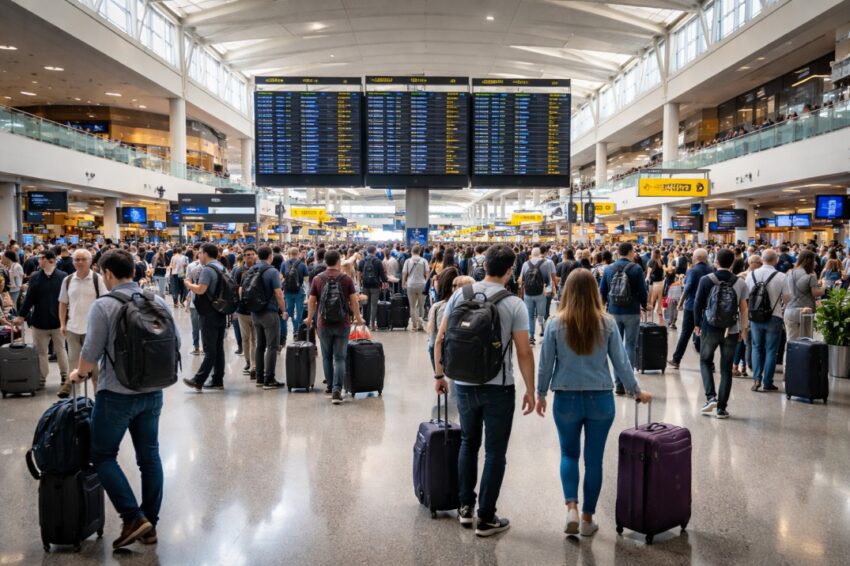 Image generated with Ai
Ryanair, Europe’s largest low-cost airline group, has launched a scathing attack on Fraport Greece, the operator of 14 regional airports in Greece, accusing it of maintaining a “monopoly” and failing to pass on government-mandated tax cuts. In a press release dated May 13, 2026, Ryanair criticized Fraport Greece for retaining the 75% reduction in the modernisation fee introduced by the Greek government instead of passing it on to airlines and passengers. This decision, Ryanair argues, has made Greece’s aviation sector uncompetitive compared to other European countries like Albania, Italy, and Sweden, which have reduced their airport charges to stimulate growth.
Ryanair’s frustration comes after the announcement that it would shut down its Thessaloniki base for the winter season of 2026. This move, Ryanair states, is directly linked to Fraport’s decision to increase airport charges by an eye-watering 66% following the pandemic. Instead of passing on the Greek government’s tax cut, Fraport Greece, Ryanair claims, is only interested in increasing its profits, much to the detriment of Greek tourism and passenger connectivity.
Advertisement
Advertisement
The airline has urged the Greek government to break Fraport’s dominance and introduce competition into the market. Ryanair also emphasized that while it remains keen to expand in Greece, it will only be able to do so if the airport operator adjusts its charging policies.
Ryanair’s Argument Against Fraport Greece’s “Monopoly”
In its sharpest criticism yet, Ryanair accuses Fraport Greece of acting out of touch with reality and prioritizing profits over the greater good of the Greek aviation industry. The tax reduction, which was designed by the Greek government to foster year-round tourism and improve interconnectivity, has been absorbed by Fraport, the German-owned operator, rather than being passed down to airlines or passengers. This situation, according to Ryanair, places Greece at a competitive disadvantage when compared to other European nations like Slovakia, Italy, and Sweden, who are actively reducing airport charges and even eliminating taxes to support growth in passenger traffic.
Advertisement
Advertisement
Ryanair’s statement highlights the critical role of airport charges in a destination’s ability to attract and retain airline investments. As part of its ongoing efforts to expand, Ryanair has been looking for more competitive airport fee structures and government policies that support low-cost carriers. However, it claims that Fraport’s monopoly is stifling competition and keeping ticket prices higher than necessary for consumers.
The Greek Government’s Role in the Dispute
While Ryanair has shifted the blame onto Fraport Greece, the airline has also called on the Greek government to take action and dismantle what it describes as Fraport’s monopoly on Greek airports. Ryanair’s chief complaint centers on Fraport’s unwillingness to distribute the 75% tax reduction to airlines, which would help reduce the overall cost of flying into Greece and support the local tourism sector. With Greece facing increasing competition from other Mediterranean countries, Ryanair insists that maintaining high airport charges undermines the nation’s appeal as a competitive tourist destination.
Advertisement
Advertisement
The Greek government, which had previously introduced the tax cut to stimulate the economy and improve connectivity, has yet to respond publicly to Ryanair’s criticism. However, the airline has made it clear that it believes only through the breakup of Fraport’s monopoly can Greece begin to foster the kind of competition needed to spur growth in the sector.
Ryanair’s Winter Service Reductions and Thessaloniki Base Closure
In addition to the ongoing dispute with Fraport, Ryanair has also announced the suspension of its winter services from Thessaloniki’s Macedonia Airport. The decision to close its base in Thessaloniki, according to Ryanair, was entirely driven by Fraport’s decision to hike airport charges by an extraordinary 66%. While Fraport has responded by suggesting that Ryanair’s decision is linked to the airline’s business model and profitability strategy, Ryanair has maintained that it is the high fees that are forcing the airline to make these difficult decisions. The closure of the Thessaloniki base is expected to result in a reduction in Ryanair’s winter operations to the region, affecting both the local economy and tourism industry, especially in the off-season.
Ryanair’s decision to reduce its winter capacity at Thessaloniki highlights the airline’s broader concern with the business environment at Greek airports. The airline has warned that other airports in Greece, where Fraport operates, could face similar reductions if the situation does not change.
Fraport Greece Responds: Denying Monopoly Accusations
In response to Ryanair’s allegations, Fraport Greece issued its own statement on May 13, denying the accusations of monopoly practices. The company refuted Ryanair’s claims that it had kept the reduction in airport modernization fees for itself, arguing instead that the decision to reduce services at Thessaloniki was driven by Ryanair’s own business model and its winter strategy.
Fraport Greece also sought to distance itself from Ryanair’s criticisms by stating that the airline had not informed them of its decision until the very last minute, and that the announcement made in Athens rather than Thessaloniki was a sign of Ryanair’s disconnected approach. The company further emphasized that it respects Ryanair’s business decisions but stressed that it continues to work with over 40 airlines operating out of Thessaloniki, all of whom benefit from the infrastructure and services provided by Fraport Greece.
The Bigger Picture: What Does This Dispute Mean for Greece’s Tourism?
This dispute between Ryanair and Fraport Greece raises several important questions about the future of Greek tourism and air connectivity. Greece has long been a popular destination for both summer and winter tourism, with flights from across Europe helping to fuel the country’s economy. However, rising airport charges and contentious relationships between airlines and operators could damage the country’s competitive edge.
Advertisement
Advertisement
In this broader context, the Greek government faces significant pressure from both airlines and passengers to foster a more competitive environment at Greek airports. By supporting the removal of monopolistic practices and introducing more airline-friendly policies, Greece could create a more favorable atmosphere for low-cost carriers like Ryanair, which in turn could boost passenger numbers and help stimulate the country’s economy.
A Call for Change in Greek Aviation
The ongoing tension between Ryanair and Fraport Greece signals a growing need for reform within the Greek aviation sector. The airline’s calls for the Greek government to break up the airport operator’s monopoly reflect a desire to see a more competitive environment that can help bring down airport charges and stimulate growth. Without changes to the current structure, Greece risks falling behind its European neighbors in attracting tourists and supporting the growth of its aviation market.
As this dispute continues to unfold, it remains to be seen whether the Greek government will take action to address the concerns raised by Ryanair and ensure that the country remains a competitive player in the European aviation industry.
Advertisement
