
“We Won’t Be Able to See All Those Clashes”: KDAS Group Says BIM Can Cut Hotel Construction Risks

Published
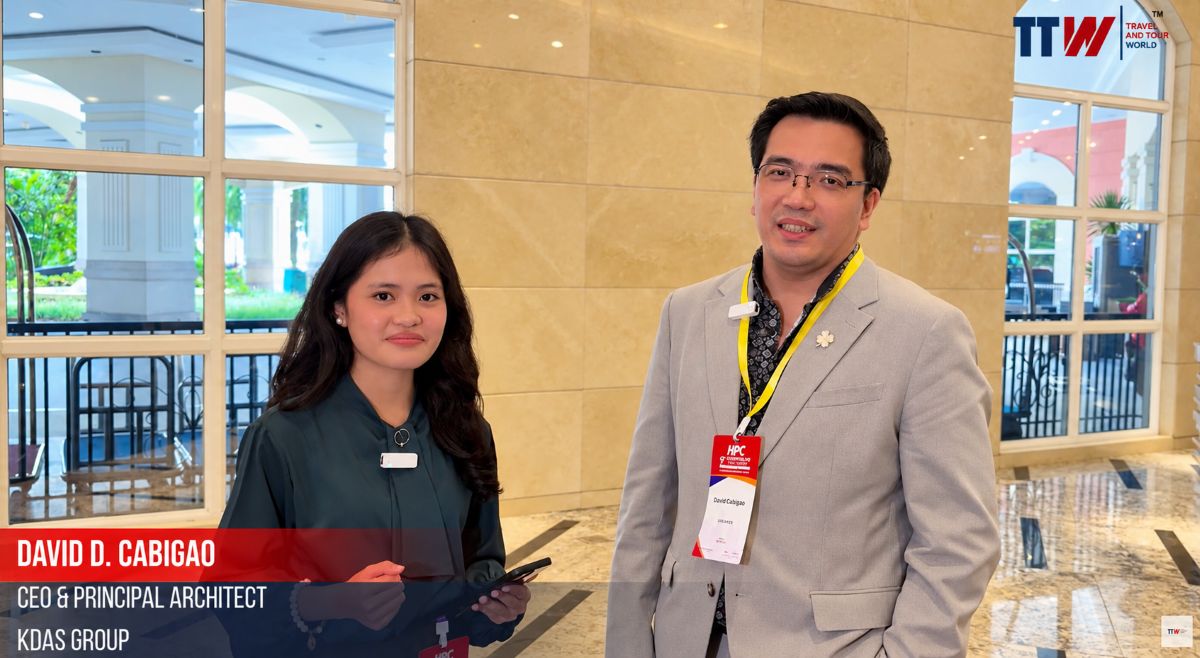
Image Credit: TTW
“We Won’t Be Able to See All Those Clashes”: KDAS Group Says BIM Can Cut Hotel Construction Risks because early design integration can expose conflicts before engineering and construction become more expensive to change. David D. Cabigao, CEO and Principal Architect of KDAS Group, explained that BIM allows architectural and interior-design elements to be coordinated during pre-construction, helping project teams identify clashes before they affect later stages. As KDAS Group Says BIM Can Cut Hotel Construction Risks, the focus is less on technology for its own sake and more on cost control, planning accuracy and clearer communication with developers. “We Won’t Be Able to See All Those Clashes” captures the core warning: poor early coordination can allow mistakes to grow into costly construction problems.
Advertisement
Advertisement
Building Information Modelling, early-stage design coordination and stronger transport infrastructure could play a decisive role in how Philippine hospitality projects control costs and prepare for future growth, according to David D. Cabigao, CEO and Principal Architect of KDAS Group.
Speaking in an exclusive interview with Travel And Tour World at the 9th Hospitality Philippines Conference, Cabigao focused on the practical challenges facing hotel developers, architects and designers. Rather than presenting technology as an end in itself, he argued that its greatest value comes from solving problems before construction begins.
Advertisement
Advertisement
His central message was straightforward: hotel projects become more efficient when architecture, interiors, engineering and project costs are considered together at the earliest possible stage.
“If we don’t integrate everything from that point of view before we even go through engineering, we won’t be able to see all those clashes.”
Advertisement
Advertisement
That idea became the foundation of his discussion on Building Information Modelling, or BIM, and the future of hospitality development in the Philippines.
Why Does Cabigao See Integration as Crucial Before Construction?
For Cabigao, BIM has its strongest impact during the pre-construction stage.
Advertisement
Advertisement
He explained that KDAS Group uses the technology to integrate architectural and interior-design considerations before engineering work progresses too far. This allows the project team to identify potential clashes much earlier.
“If we don’t integrate everything from that point of view before we even go through engineering, we won’t be able to see all those clashes.”
The significance of this statement lies in risk prevention.
A hotel is a complex building involving architectural layouts, structural systems, mechanical services, electrical systems, plumbing, interiors and operational requirements. If these elements are developed separately, conflicts may become visible only once construction is under way.
Advertisement
Advertisement
Cabigao warned that such mistakes can have serious financial consequences.
“Those kind of mistakes… will actually blow up the cost [of] the construction on the latter.”
His point is not that BIM eliminates every construction risk. Instead, he sees integrated digital planning as a way of identifying potential conflicts sooner, when they may be easier and less expensive to address.
How Can BIM Improve Cost Efficiency for Hotel Developers?
Cabigao repeatedly connected BIM with cost visibility and pre-planning.
For developers, this matters because hotel construction requires significant decisions before physical work begins. Design revisions, site limitations and coordination failures can all influence final expenditure.
Cabigao said BIM enables design teams to communicate expected costs and project value more clearly to clients.
Advertisement
Advertisement
“These are the costs that we are looking for. These are the value of how we’re going to pre-plan the project.”
This quote highlights an important distinction in his approach. BIM is not being described merely as sophisticated modelling software. Instead, it becomes part of the commercial conversation between architect and developer.
A more coordinated model can make design decisions easier to explain because clients can better understand why certain planning choices are being recommended.
Cabigao therefore characterised BIM as:
“A really crucial part of the process.”
For hospitality developers, the implication is that better digital coordination can support more informed decisions before construction commitments become difficult to change.
Advertisement
Advertisement
Why Is BIM Particularly Useful on Challenging Sites?
Cabigao also emphasised the value of BIM in master planning, especially when projects involve difficult terrain or unusual site conditions.
“It’s easier for us also to do master planning because in master planning, especially for most challenging structures or most challenging sites where the terrain is really not helpful.”
This is especially relevant to hospitality architecture because resorts and hotels are not always built on simple urban plots.
Complex terrain can affect building orientation, circulation, structural design, access, construction sequencing and the relationship between different parts of a development.
Cabigao suggested that introducing BIM into this process makes it easier to communicate how a difficult site can be approached before major construction decisions are made.
His emphasis remains consistent throughout the interview: planning quality at the beginning can affect construction performance later.
Advertisement
Advertisement
For developers, better master planning can also provide a clearer understanding of how architecture, engineering and site conditions interact rather than treating those elements independently.
Why Does Better Communication Matter in Hospitality Design?
Cabigao began the interview by discussing the value of the Hospitality Philippines Conference itself.
He said the event gave industry participants an opportunity to explore hospitality issues in greater depth and helped architects communicate the value of their work more effectively.
“In the industry of design, it’s really easier for us to communicate better in order to defend on how our works would be more put on the value.”
Although the wording was conversational, the underlying point is significant.
Architecture within hospitality is not simply about appearance. Architects must explain how design decisions create value for developers, operators and eventual guests.
Advertisement
Advertisement
A conference bringing different sections of the industry together can improve that communication because hospitality development involves multiple disciplines.
Cabigao said he was excited by the depth of the discussions at the conference and how hospitality business topics were being presented.
His comments reinforce the broader theme of integration: coordination is required not only inside a BIM model but also between the professionals responsible for delivering a hotel project.
Will Smart Rooms Be the Biggest Hotel Innovation by 2027?
Interestingly, Cabigao did not predict that dramatic smart-room technology would be the most important architectural change by 2027.
When asked about future-proof hotel design and smart-room innovation, he shifted the conversation towards infrastructure.
“Moving forward, I don’t see so much of a huge innovation, rather more on the infrastructure that will help the hotel industry, mainly for the Philippines.”
Advertisement
Advertisement
This is one of the most important observations in the interview because it reframes the future of hospitality.
Technology inside a guest room may improve the hotel experience, but travellers still need convenient ways to reach the destination.
For Cabigao, the performance of the wider transport network can therefore influence hospitality development just as significantly as technology installed inside hotels.
That perspective places airport development and regional connectivity within the architectural discussion about hospitality growth.
Why Does Cabigao Want More Advanced Airports?
Cabigao specifically highlighted airports when discussing infrastructure improvements he would like to see in the Philippines.
“I’d like to see a lot more of the infrastructure, like airports being advanced, being more economical for us people to actually travel from one point to another.”
Advertisement
Advertisement
The comment connects hospitality development with accessibility.
Hotels do not operate independently from transport systems. A well-designed resort may still face commercial challenges if travellers find a destination expensive or difficult to reach.
Cabigao argued that easier and more economical movement could reduce those difficulties.
“So that way we don’t really need to struggle more on the hospitality point of view.”
His argument suggests that hospitality growth requires thinking beyond individual properties.
Airports and transportation links influence where hotels can succeed, how easily tourists can travel between destinations and whether emerging locations become viable for future development.
Advertisement
Advertisement
In that sense, future-proof hospitality architecture may depend partly on infrastructure outside the hotel itself.
What Does the Interview Suggest About the Future of Philippine Hospitality?
Three connected themes emerge from Cabigao’s remarks: integration, cost control and connectivity.
First, hotel projects need stronger coordination before engineering and construction progress. BIM offers architects a way to bring design disciplines together and identify clashes earlier.
Second, developers need clearer visibility into costs and project value. Cabigao views digital pre-planning as one way to explain those decisions before expensive mistakes arise.
Third, the hospitality industry cannot focus exclusively on what happens inside a property.
Airport infrastructure and affordable mobility can shape whether travellers can reach hotels easily in the first place.
Advertisement
Advertisement
Cabigao’s comments therefore present a grounded view of hospitality innovation. Rather than predicting dramatic technological transformation, he focuses on fundamentals: integrated planning, fewer construction conflicts, better communication and infrastructure that makes travel easier.
For Philippine hotel developers, that may be just as important as the arrival of the next generation of smart-room technology.
Image Credit: TTW
Advertisement
