
Italy’s Sardinia Celebrated a Spectacular Autumn Festival Weekend as Olbia, Alghero and More Showcased Cultural Treasures in October 2026: All You Need to Know

Published
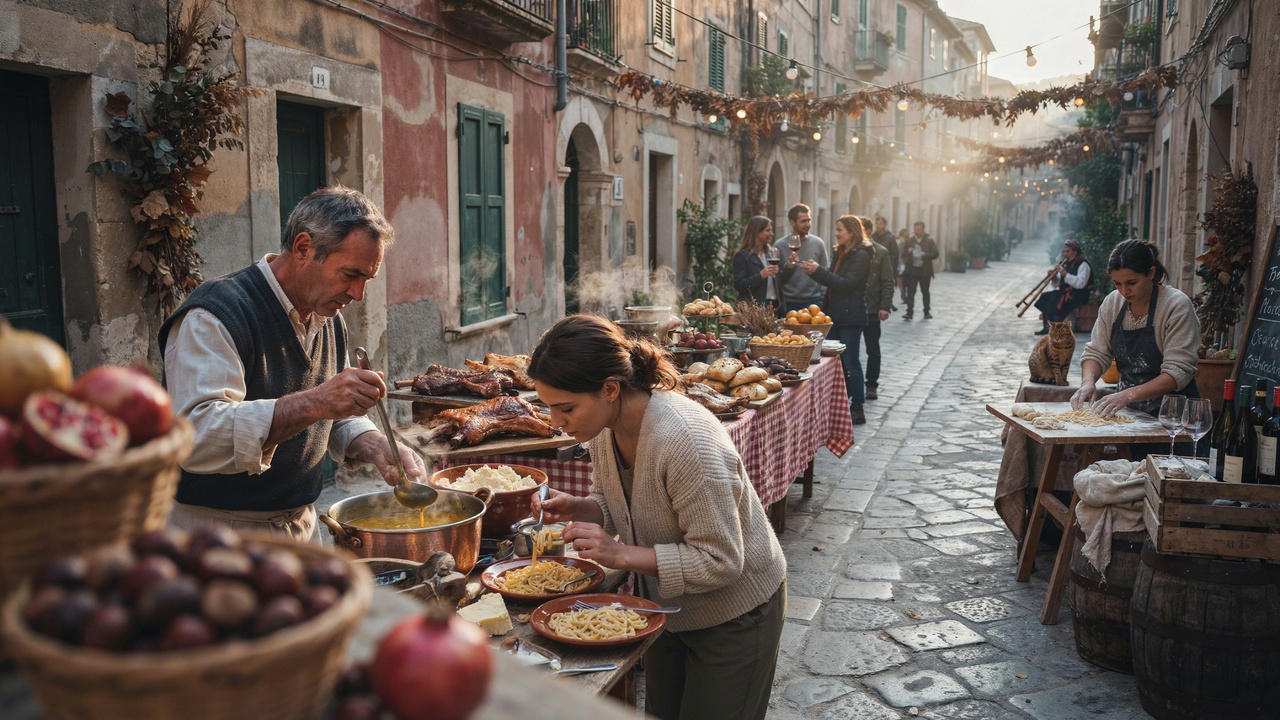
Italy’s beautiful island of Sardinia came alive with traditional food festivals, wine celebrations, cultural performances and heritage experiences during the weekend of 9–11 October 2026. From the lively streets of Olbia and Sassari to the historic villages of Barbagia, communities welcomed visitors with events that celebrated their local traditions and regional identity. Alghero offered family entertainment and festival activities, while Simaxis, Solarussa and Assemini highlighted the island’s rich culinary heritage. Cagliari and Iglesias added contemporary arts and performances to the celebrations. Together, these events showed how Sardinia offered travellers memorable experiences beyond its famous beaches, while bringing fresh attention to smaller towns and local tourism businesses.
Sardinia’s October Festival Weekend Brought Together Food, Culture and Heritage
Sardinia offered visitors a colourful introduction to its traditions during the second weekend of October 2026.
Across the island, communities organised celebrations centred on regional cuisine, music, local craftsmanship and cultural heritage.
The events highlighted the island’s diverse character, with northern coastal cities, inland villages and southern communities offering different experiences.
Advertisement
Advertisement
Food festivals introduced visitors to traditional ingredients, while cultural programmes showcased local performances and historic attractions.
The weekend also demonstrated how Sardinia’s tourism industry extended beyond summer holidays.
Advertisement
Advertisement
By organising activities during autumn, local communities created opportunities for restaurants, accommodation providers, artisans and other tourism businesses to attract visitors outside the peak season.
| Destination | Festival or activity | Main attraction |
|---|---|---|
| Olbia | Benvenuto Vermentino | Wine tastings and regional products |
| Sassari | A Fora Li Brasgeri | Traditional grilled food |
| Alghero | Oktoberfest Sardegna | Music and festival entertainment |
| Alghero | Alguer Family Festival | Family activities |
| Tonara, Gavoi, Onanì and Lollove | Autunno in Barbagia | Village traditions and craftsmanship |
| Simaxis | Rice Festival | Traditional rice dishes |
| Solarussa | Vernaccia Festival | Regional wine heritage |
| Assemini | Panad’Arte and food celebrations | Local pastries and craftsmanship |
| Cagliari | Tattoo Convention | Contemporary artistic culture |
| Las Plassas | Legume Fair | Rural food traditions |
| Iglesias | Sulcis in Fundo | Theatre and cultural performances |
Olbia Showcased Sardinia’s Wine Heritage Through Benvenuto Vermentino
Olbia brought attention to northern Sardinia’s winemaking traditions through Benvenuto Vermentino.
Advertisement
Advertisement
The event celebrated Vermentino, a wine closely associated with the Gallura region.
Visitors had opportunities to discover regional producers, learn about local wine culture and experience food traditions connected to the area’s agricultural heritage.
The celebration added another dimension to Olbia’s tourism appeal.
Known as an important gateway to northeastern Sardinia, the city attracted visitors through its historic attractions, restaurants and proximity to the Costa Smeralda.
Advertisement
Advertisement
The wine-focused programme demonstrated how local products helped create distinctive travel experiences while supporting regional businesses.
Sassari Celebrated Traditional Cooking and Community Food Culture
Sassari highlighted its culinary traditions through A Fora Li Brasgeri, an event centred on outdoor cooking and grilled specialities.
The celebration reflected Sardinia’s longstanding connection with locally produced ingredients and communal dining.
Visitors experienced a lively atmosphere shaped by regional food and social gatherings.
The event also encouraged people to discover Sassari’s wider cultural attractions, including historic streets, churches and museums.
As one of northern Sardinia’s major urban centres, Sassari offered a combination of traditional experiences and city sightseeing.
Advertisement
Advertisement
The festival demonstrated how local cuisine contributed to the destination’s cultural identity and visitor appeal.
Alghero Combined Family Entertainment With Festival Celebrations
Alghero offered two different festival experiences during the October weekend.
Oktoberfest Sardegna featured music, entertainment and activities for families, while the Alguer Family Festival focused on performances and experiences for children.
The celebrations added to the appeal of a city already known for its beautiful waterfront, historic architecture and distinctive Catalan heritage.
Visitors had opportunities to combine festival activities with sightseeing around Alghero’s old town and coastal surroundings.
The programme showed how family-friendly entertainment complemented traditional tourism attractions and helped position Alghero as a destination beyond the summer holiday season.
Advertisement
Advertisement
Tonara, Gavoi, Onanì and Lollove Preserved Sardinia’s Village Traditions
The Autunno in Barbagia celebrations brought Sardinia’s inland communities into the cultural spotlight on 10–11 October.
Tonara, Gavoi, Onanì and Lollove participated in the programme, which highlighted local craftsmanship, traditional food and village heritage.
Historic courtyards, known as cortes, formed an important part of the experience, allowing visitors to discover the cultural identity of these communities.
The celebrations offered an alternative to Sardinia’s coastal attractions and introduced travellers to the island’s mountainous interior.
The initiative also supported the wider objective of promoting rural tourism and preserving local traditions. The four destinations and their dates were confirmed in the 2026 programme published by the Italian chamber of commerce system.
Simaxis and Solarussa Highlighted Rice, Wine and Regional Food Traditions
Simaxis and Solarussa celebrated two important elements of Sardinia’s agricultural heritage.
Advertisement
Advertisement
The Rice Festival in Simaxis featured traditional dishes and local market experiences, drawing attention to the importance of rice cultivation and regional cooking.
Solarussa hosted its Vernaccia Festival, which included guided tastings and opportunities to learn about local winemaking.
Both events demonstrated the close relationship between food production and cultural identity.
They also created opportunities for visitors to discover smaller destinations in the Oristano area.
The celebrations reflected how agricultural products helped shape Sardinia’s culinary reputation and supported local tourism activity.
Assemini and Las Plassas Celebrated Authentic Sardinian Cuisine
Assemini highlighted its traditional food heritage through Dalla Spiga alla Tavola and Panad’Arte.
Advertisement
Advertisement
The programme focused on pasta-making traditions, local ingredients and artisan demonstrations.
Visitors were introduced to culinary practices that had remained part of Sardinian community life for generations.
Las Plassas featured a Legume Fair celebrating rural cooking and locally grown produce.
The event placed traditional ingredients at the centre of the visitor experience.
Together, these celebrations showed how smaller Sardinian communities used food festivals to preserve their heritage and attract interest beyond the island’s major tourist centres.
Cagliari and Iglesias Added Contemporary Art and Theatre to the Festivities
Cagliari and Iglesias brought a different cultural dimension to the October celebrations.
Advertisement
Advertisement
The Cagliari Tattoo Convention featured international tattoo artists and live performances, adding contemporary artistic expression to the island’s festival programme.
In southwestern Sardinia, Iglesias featured Sulcis in Fundo, a theatre initiative associated with performances in historic venues.
These events broadened the weekend’s cultural offering beyond food and traditional village celebrations.
They also demonstrated how Sardinia’s historic cities supported different forms of artistic activity.
For visitors, the programmes complemented the island’s architectural heritage, museums and established sightseeing attractions.
Heritage Initiatives Opened Sardinia’s Historic Attractions to Visitors
The FAI Autumn Days programme took place on 10–11 October, offering special access to selected cultural and historic properties.
Advertisement
Advertisement
The weekend formed part of a wider effort to encourage public interest in Italy’s architectural and cultural heritage.
Sardinia’s October calendar also included Romanesque Days, a programme running from 3 October to 1 November.
By 15 October, its earlier activities had already taken place, although the wider programme had not yet concluded.
These heritage initiatives added another dimension to Sardinia’s autumn tourism offering by drawing attention to historic buildings, medieval churches and lesser-known cultural attractions.
Sardinia’s Autumn Festivals Strengthened the Appeal of Travel Beyond Summer
The 9–11 October celebrations demonstrated how Sardinia’s tourism identity extended beyond its beaches and coastal resorts.
Food festivals promoted agricultural traditions, village events highlighted craftsmanship, and cultural performances introduced visitors to different aspects of island life.
Advertisement
Advertisement
The geographical spread of activities also helped bring attention to inland and rural destinations.
For tourism businesses, such events created opportunities to promote accommodation, restaurants, local products and visitor experiences outside the busiest summer months.
Although the economic impact of the weekend had not been established through published attendance or spending figures, the programme illustrated the role of cultural events in supporting seasonal tourism diversification.
Frequently Asked Questions
1. When did Sardinia’s main October festival weekend take place?
The featured programme took place from 9 to 11 October 2026. All the events covered in this retrospective had passed by 15 October.
2. Which destinations hosted traditional food celebrations?
Advertisement
Advertisement
Olbia, Sassari, Simaxis, Solarussa, Assemini and Las Plassas were among the destinations featured for food, wine and agricultural traditions.
3. Which villages participated in Autunno in Barbagia during that weekend?
Tonara, Gavoi, Onanì and Lollove participated on 10–11 October 2026.
4. What cultural events were featured in Cagliari and Iglesias?
Cagliari featured its Tattoo Convention, while Iglesias was included in the Sulcis in Fundo theatre programme.
5. Did all Sardinia’s autumn festivals finish on 11 October?
Advertisement
Advertisement
No. The featured weekend ended on 11 October, but the wider autumn cultural calendar included programmes extending into later October and November.
Sardinia’s October Celebrations Showcased the Island’s Cultural Richness
Sardinia’s festival weekend of 9–11 October 2026 brought together the island’s food traditions, cultural heritage, artistic activities and rural communities.
Olbia and Solarussa highlighted local wine culture, while Sassari, Simaxis, Assemini and Las Plassas celebrated regional cuisine. Alghero offered family entertainment, and the Barbagia villages introduced visitors to longstanding traditions.
Cagliari and Iglesias added contemporary artistic experiences, creating a varied programme across northern, central and southern Sardinia.
The celebrations demonstrated how autumn tourism helped showcase destinations that often received less attention than the island’s famous beaches. They also reinforced Sardinia’s appeal as a place where food, history, craftsmanship and community traditions remained central to the travel experience.
Advertisement
