

Bentonville and Richmond Stand Alongside Milwaukee and Pittsburgh as American Cultural Destinations Turn Arts Investment Into Overnight Tourism

Published
Bentonville, Richmond, Milwaukee and Pittsburgh are strengthening their positions as American cultural destinations, using museums, public art, creative districts and heritage attractions to broaden their appeal beyond traditional metropolitan tourism. Their growing cultural profiles raise an important industry question: can investment in the arts persuade visitors to book hotel rooms, extend their stays and spend more within local economies?
The economic figures demonstrate the opportunity. Richmond Region recorded 18.3 million visitors and $3.9 billion in visitor spending in 2024, while Milwaukee County generated $2.507 billion in direct visitor spending in 2025. Pittsburgh’s Allegheny County tourism industry generated an estimated $6.8 billion in economic impact during 2024. Meanwhile, Bentonville’s Crystal Bridges Museum of American Art welcomed nearly 785,000 visitors in 2023. However, cultural attendance and overnight tourism are different measures, making accommodation demand the critical test for these emerging destinations.
Advertisement
Advertisement
Four Cities Challenge the Traditional Tourism Hierarchy
The American tourism landscape extends far beyond the established New York, Los Angeles and Chicago circuit. Smaller urban destinations are developing cultural experiences that combine major collections, independent galleries, public installations, performing arts and neighbourhood exploration. Their appeal increasingly rests on the ability to offer a distinctive cultural break without requiring the scale of a major metropolitan holiday.
Bentonville presents an arts-and-outdoors proposition, while Richmond combines historical heritage with contemporary creativity. Milwaukee integrates museums with festivals and lakefront attractions, whereas Pittsburgh connects industrial reinvention with major cultural institutions. Each city offers a different route towards attracting travellers who want deeper experiences and manageable itineraries.
Advertisement
Advertisement
Nevertheless, destination popularity does not automatically translate into hotel revenue. A successful museum may attract regional residents, school groups and visitors who return home the same evening. Tourism authorities must therefore examine visitor origins, accommodation bookings and average length of stay alongside headline attendance figures.
Bentonville Builds an Arts and Outdoors Escape
Bentonville, Arkansas, offers a distinctive combination of American art, contemporary exhibitions, public installations and outdoor recreation. Crystal Bridges Museum of American Art anchors this proposition, while the Momentary, downtown attractions and cycling trails expand the range of experiences available to visitors.
Advertisement
Advertisement
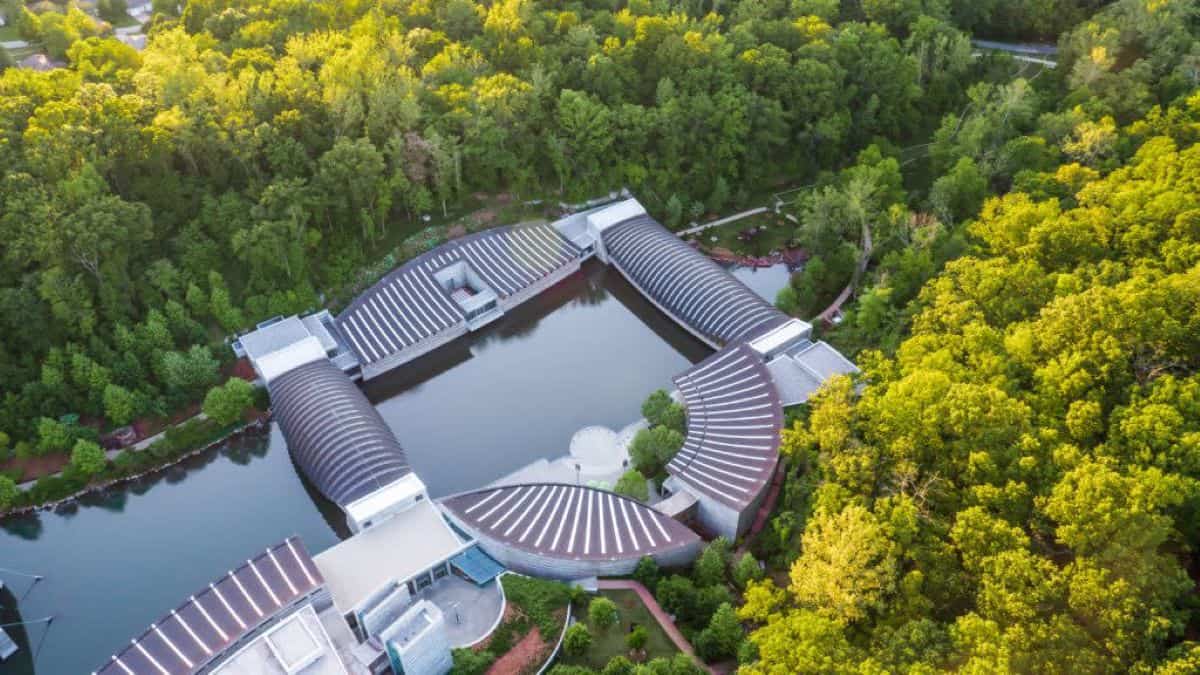
Crystal Bridges reported nearly 785,000 visitors in 2023, demonstrating the museum’s substantial drawing power. Its collection, architecture and landscape setting provide a strong foundation for cultural travel, although the attendance figure does not establish how many visitors stayed overnight.
The city’s opportunity lies in connecting these attractions into a longer itinerary. Visitors can combine exhibitions with cycling, public art, local restaurants and neighbourhood exploration. This combination could support multi-night stays among couples, families and outdoor enthusiasts seeking an alternative to conventional urban breaks.
However, Bentonville needs stronger public evidence linking cultural attendance with accommodation demand. Destination researchers should examine visitor-origin surveys, hotel occupancy, occupied room nights and lodging-tax receipts. They should also investigate whether travellers visit multiple attractions or come primarily for one institution.
Another important question concerns economic distribution. Tourism can benefit independent restaurants, galleries, retailers and smaller accommodation providers when visitors explore beyond headline attractions. The city must therefore assess whether cultural investment supports a wider local business ecosystem or concentrates spending around a limited number of major institutions.
Richmond Combines Heritage With Contemporary Creativity
Richmond, Virginia, offers a layered cultural experience built around historic sites, visual arts, contemporary exhibitions, murals, performing arts and independent businesses. The Virginia Museum of Fine Arts and the Institute for Contemporary Art at Virginia Commonwealth University provide major cultural anchors, while creative neighbourhoods encourage visitors to explore beyond individual attractions.
Richmond Region Tourism reported 18.3 million visitors in 2024, generating $3.9 billion in visitor spending. Hotel sales and occupancy revenue reached $634.8 million, increasing 5.4% from the previous year. Tourism also supported 29,630 jobs and generated $183.9 million in local taxes.
Advertisement
Advertisement
These figures establish the scale of the region’s visitor economy, but they do not isolate spending generated by museums, galleries or cultural districts. Business travel, outdoor recreation, sporting events, heritage tourism and other activities also contribute to the total.
The overnight-versus-day-trip split provides another useful research direction. Richmond’s 2023 visitor profile classified 62% of visitors as day-trippers and 38% as overnight visitors. Researchers should compare this baseline with the latest available visitor-profile data to establish whether the overnight share has changed.
For travellers, Richmond’s advantage lies in variety. A well-planned weekend can combine museums, historic architecture, neighbourhood restaurants, performances and outdoor experiences. The destination’s challenge is to package these activities into compelling itineraries that encourage visitors to book accommodation instead of completing their visit in one day.
Milwaukee Uses Festivals to Extend Cultural Travel
Milwaukee, Wisconsin, combines museums, performing arts, lakefront experiences, independent businesses and a substantial festival calendar. The Milwaukee Art Museum, Historic Third Ward and other cultural attractions provide a foundation for leisure travel, while conventions and major events generate additional accommodation demand.
The city’s tourism economy reached a record $4.431 billion in total economic impact in 2025, according to figures released by the Wisconsin Department of Tourism. Milwaukee County generated $2.507 billion in direct visitor spending, supported 27,812 jobs and produced $244.9 million in state and local tax revenue.
Direct visitor spending increased 2.8% year on year, while total economic impact rose 2.5%. The expanded Baird Center also entered its first full year of operations in 2025, strengthening Milwaukee’s capacity to host larger conventions, sporting events and meetings.
Advertisement
Advertisement
Accommodation indicators reveal a more complicated picture. Visit Milwaukee reported an average overnight stay of 1.4 nights in both 2024 and 2025. Its sales team booked 328,000 hotel room nights in 2025, up 14.2% from 287,000 in 2024.
The difference matters because rising room-night bookings do not necessarily indicate longer individual stays. More events and visitors can generate additional room demand even when average trip duration remains unchanged.
Milwaukee’s next opportunity is to encourage visitors attending festivals, conventions and sporting events to explore more cultural attractions. A traveller attending one event might extend the trip to include museums, independent galleries, theatre performances and lakefront activities.
In June 2026, Milwaukee County Executive David Crowley described the record economic impact as reflecting the strength of the county’s cultural assets, venues, neighbourhoods and hospitality workforce. The next research challenge is to establish how much additional accommodation demand comes specifically from cultural leisure travel.
Pittsburgh Turns Industrial Heritage Into Cultural Appeal
Pittsburgh, Pennsylvania, offers a compelling story of industrial transformation and cultural reinvention. The Andy Warhol Museum, Carnegie Museums, Mattress Factory and August Wilson African American Cultural Center create a diverse cultural offer, while historic neighbourhoods and converted industrial spaces add further depth.
VisitPITTSBURGH reported that Allegheny County’s tourism industry generated an estimated $6.8 billion in economic impact in 2024. The sector supported 42,600 tourism-related jobs and generated $377 million in state and local tax revenue.
Advertisement
Advertisement
Event-generated accommodation demand provides another useful indicator. VisitPITTSBURGH’s business-events and sports teams booked 269 events in 2024, associated with an estimated 347,000 hotel room nights and $321.2 million in anticipated direct visitor spending. Separately, 229 destination-generated events held during 2024 were associated with 267,700 hotel room nights and $259 million in direct visitor spending.
These figures measure different stages of event activity and should not be added together. Bookings estimate future demand, whereas completed events reflect activity already delivered.
The cultural opportunity is to build on this established event economy. Visitors attending conventions, concerts or sporting events could extend their trips to explore museums, creative districts and independent businesses. The crucial question is whether these attractions generate measurable overnight demand outside major event periods.
Pittsburgh’s research should also examine the geographic distribution of visitor spending. Cultural tourism can deliver wider benefits when visitors explore neighbourhood restaurants, independent galleries and local retailers instead of concentrating spending around major venues.
The Data Reveal Four Different Tourism Models
The latest available indicators show substantial tourism activity, but the figures cover different geographic boundaries and reporting periods. They cannot support a definitive ranking of cultural tourism performance without further research.
| Destination | Latest cited indicator | Overnight-tourism question |
|---|---|---|
| Bentonville | Crystal Bridges welcomed nearly 785,000 visitors in 2023 | How many cultural visitors booked accommodation? |
| Richmond Region | $634.8 million in hotel sales and occupancy revenue in 2024 | Has the overnight share increased since 2023? |
| Milwaukee County | $2.507 billion in direct visitor spending in 2025 | Can cultural experiences increase the 1.4-night average stay? |
| Pittsburgh’s Allegheny County | $6.8 billion in tourism economic impact in 2024 | How much overnight demand comes from cultural leisure rather than events? |
The comparison highlights an important distinction between visitor spending, accommodation revenue and total economic impact. Direct spending measures expenditure by visitors, while economic impact can include wider effects across businesses and suppliers. Hotel revenue captures a narrower part of the visitor economy.
Advertisement
Advertisement
Researchers should avoid comparing these measures as though they were interchangeable. They should also establish consistent geographic boundaries before ranking the four destinations.
Arts Funding Must Deliver Measurable Returns
Cultural investment can influence tourism through new attractions, improved public spaces, expanded programming and more distinctive visitor experiences. However, capital expenditure and recurring tourism revenue represent different economic outcomes.
A museum expansion may generate construction activity and employment before opening. Once operational, it may attract visitors, support hospitality businesses and encourage repeat trips. Researchers must distinguish these phases when evaluating the return on public funding, philanthropy and private investment.
The National Endowment for the Arts, municipal arts agencies and institutional annual reports offer starting points for investigating funding patterns. The research should record public grants, philanthropic contributions, capital projects, operating budgets and spending on public art.
It should also examine whether independent galleries and smaller cultural organisations receive sustained support. A destination’s cultural appeal depends on more than its flagship museum; smaller venues and neighbourhood businesses can create the variety that encourages visitors to stay longer.
The most persuasive evidence would connect investment dates with changes in attendance, visitor origins, hotel performance and local spending. Where that connection cannot be established, the article should describe the relationship as a potential contribution rather than proven causation.
Advertisement
Advertisement
What Travellers Should Consider Before Booking
Each city suits a different type of cultural break. Bentonville is particularly appealing to travellers combining art with cycling and outdoor recreation, while Richmond offers a broader mix of history, contemporary art and neighbourhood exploration.
Milwaukee suits visitors who want museums, festivals, performing arts and lakefront experiences. Pittsburgh offers a combination of major collections, industrial heritage and distinctive neighbourhoods, making it suitable for travellers seeking a deeper urban itinerary.
Travellers should check exhibition schedules, performance calendars, opening hours and transport arrangements before booking. Festival weekends and major events can affect accommodation prices and availability, so dates may influence the cost of a cultural break as much as the attractions themselves.
For tourism businesses, the opportunity is to market connected experiences rather than isolated venues. Bundled itineraries, evening programming, cross-attraction partnerships and accommodation packages could encourage visitors to add another night. Their effectiveness should be measured through actual bookings and visitor behaviour rather than promotional reach alone.
The Next Test Is Longer Visitor Stays
Bentonville, Richmond, Milwaukee and Pittsburgh demonstrate why cultural tourism deserves a more rigorous place in destination strategy. Their museums, public installations, heritage sites and creative districts offer distinct reasons to travel beyond the country’s largest metropolitan centres.
Nevertheless, their economic performance cannot yet establish which city converts cultural investment most effectively into overnight stays. Bentonville needs clearer links between attraction attendance and lodging demand, while Richmond requires updated visitor-profile comparisons. Milwaukee must examine its unchanged average stay, and Pittsburgh needs to separate cultural leisure from event-generated demand.
The next stage of research should compare at least five years of consistent data, including hotel occupancy, room rates, visitor nights, attraction attendance, arts funding and direct visitor spending. Until those figures are aligned, the strongest finding is not that one destination has won, but that cultural appeal becomes a more valuable tourism asset when it produces measurable overnight demand and wider local economic benefits.
Advertisement
