
South Korea Medical Tourism Expands Through Precision Healthcare and Advanced New Therapies

Published
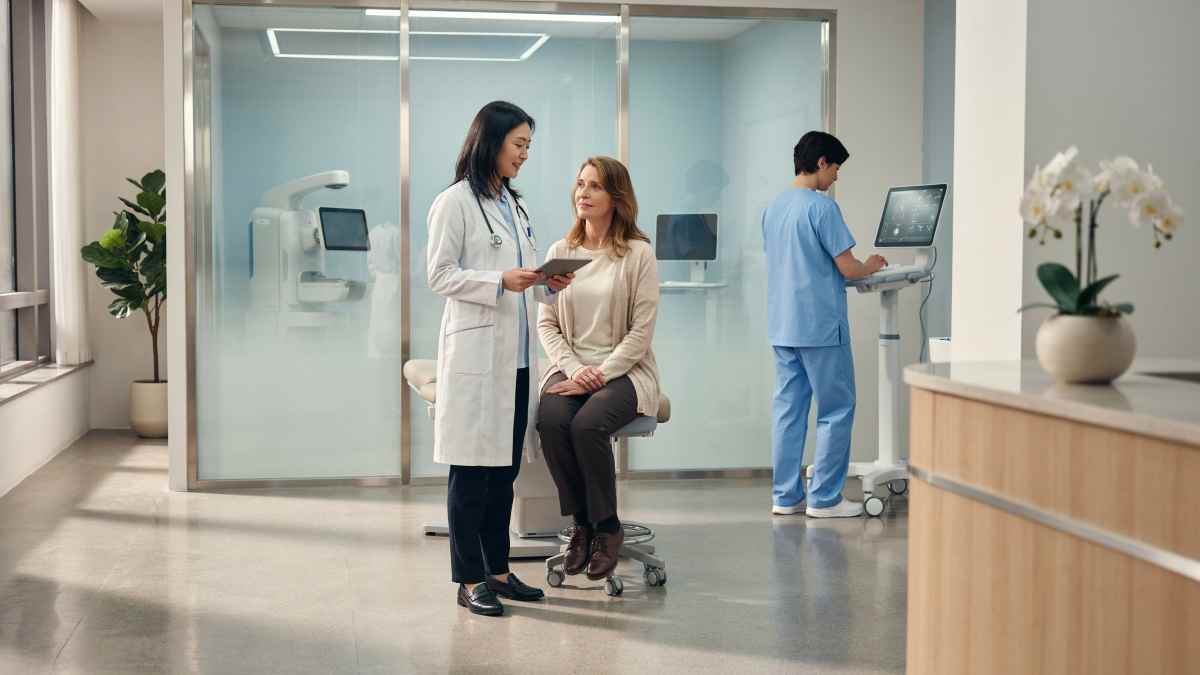
Image generated with Ai
Korea is developing itself as a significant medical tourism destination, with Seoul acting as the centre of the international medical network, offering high-level diagnostic services, specialised treatments, cosmetic surgery, regenerative medicine, and post-procedure travel services. In 2024, there were 1,170,467 foreigners from 202 countries who travelled to South Korea, which is twice the number of patients whom South Korea received in 2023 and is the largest number of foreign patients in the history of South Korea since 2009, when South Korea opened its doors to patients from other countries.
Seoul Becomes the Core of Medical Travel
Seoul combines major hospitals, specialist clinics, diagnostic facilities and internationally oriented medical services within a relatively compact metropolitan area. Gangnam, Apgujeong and other central districts have developed extensive healthcare clusters alongside hotels, shopping districts, restaurants and cultural attractions.
Advertisement
Advertisement
South Korea’s official Medical Korea platform states that professional medical tourism agencies registered with the Ministry of Health and Welfare can provide services ranging from airport pick-up and hospitalisation to treatment and tours. The system is designed to connect foreign patients with registered medical institutions and supporting services.
For international travellers, this infrastructure makes Seoul suitable for medical journeys that may require several appointments rather than a single hospital visit.
Advertisement
Advertisement
Regenerative Medicine Enters a Regulated Framework
South Korea’s Advanced Regenerative Bio Act provides a regulatory framework for advanced regenerative medical treatment. Under the legislation currently in force in 2026, medical institutions providing advanced regenerative medicine must receive designation from the Minister of Health and Welfare and meet prescribed requirements for facilities, equipment and personnel. Law.go.kr
Advertisement
Advertisement
The legislation also establishes requirements for authorised cell-processing facilities. Such facilities require approval from the Ministry of Food and Drug Safety and must comply with specified standards for facilities, personnel and equipment. Law.go.kr
This framework covers a regulated environment for advanced regenerative medicine rather than creating unrestricted access to experimental procedures.
Stem Cell and Cellular Treatment Claims Require Careful Distinction
International medical travellers may encounter clinics promoting stem-cell, exosome and other cellular therapies in South Korea. However, the availability of a treatment or procedure does not automatically establish that it is approved for every medical condition advertised.
Advertisement
Advertisement
South Korea’s regenerative medicine framework includes institutional designation, research review, treatment requirements and safety monitoring. Research plans for advanced regenerative medicine are subject to review under the relevant regulatory process, while designated institutions must maintain records and report information relating to treatment.
For visitors, treatment eligibility therefore depends on the medical institution, procedure, indication and applicable regulatory approval.
Advertisement
Advertisement
Medical Visas Support Longer Healthcare Stays
South Korea provides dedicated visa categories for medical tourism. The official Medical Korea platform lists C-3-3 for short-term medical tourism of up to 90 days and G-1-10 for longer treatment and recuperation stays.
The system also allows recognised medical institutions or agencies to assist with visa issuance procedures. Patients requiring longer treatment can use the relevant long-term category, while immediate family members who provide care may also qualify under the stated requirements.
This makes visa planning an important part of arranging treatment, particularly for visitors whose medical schedules extend beyond a conventional holiday.
International Patient Numbers Reach Record Levels
South Korea’s medical tourism growth has been supported by a sharp increase in international patients.
Key Stats
- 1,170,467: Foreign patients recorded in South Korea in 2024.
- 202 countries: Number of countries represented among foreign patients in 2024.
- 93.2%: Increase in foreign patients compared with 2023.
- 5.05 million: Cumulative foreign patients recorded between 2009 and 2024.
- 3,114: Registered foreign-patient-attracting medical institutions as of March 2025.
Japan, China, the United States, Taiwan and Thailand were among the leading sources of foreign patients in 2024. Japan and China together accounted for around 60% of the annual total.
Advertisement
Advertisement
Medical Travel Connects With Seoul Tourism
Medical tourism also intersects with Seoul’s broader visitor economy. International patients can combine appointments with accommodation in Gangnam, shopping in Apgujeong and Cheongdam, cultural visits and food experiences when their treatment schedules permit.
Incheon International Airport provides Seoul’s principal international gateway, with airport transfers available through medical tourism providers and hotels. Within the capital, Seoul’s extensive subway and road transport network provides access to hospitals, accommodation and commercial districts.
For longer stays, visitors may also explore destinations outside Seoul after completing medically advised recovery periods.
Author’s Point of View
South Korea’s medical tourism expansion is increasingly structured around a complete international-patient ecosystem. Hospitals and clinics operate alongside registered facilitators, visa procedures, accommodation and transportation services, while the country’s regenerative medicine framework adds additional regulatory requirements for advanced treatments.
The 2024 international-patient figures show the scale of the market, while the 2026 regulatory framework provides a clearer structure for advanced regenerative medicine. For medical travellers, treatment decisions remain dependent on clinical assessment, institutional credentials, regulatory status and individual medical requirements.
Planning a Medical Trip to South Korea
Foreign tourists need to verify the registration details of the clinic, get a written medical treatment plan and know about the expected period of stay in order to make a travel booking. Visa needs also need to be checked according to the expected period of treatment and the nationality of the patient. Seoul has the most medical and tourism facilities, whereas Incheon is the main entry point for international patients travelling to South Korea. Thus, the two places form an entry corridor for international health care tourists entering South Korea. The huge number of international patients and the well-regulated regenerative medicine and medical tourism infrastructure of South Korea have contributed to shaping its health care travel industry in 2026.
Advertisement
