
Tanzania Experiences A Massive Safari Travel Boom As Mkomazi National Park Triples Visitor Numbers After Black Rhino Launch, Here’s The Update

Published
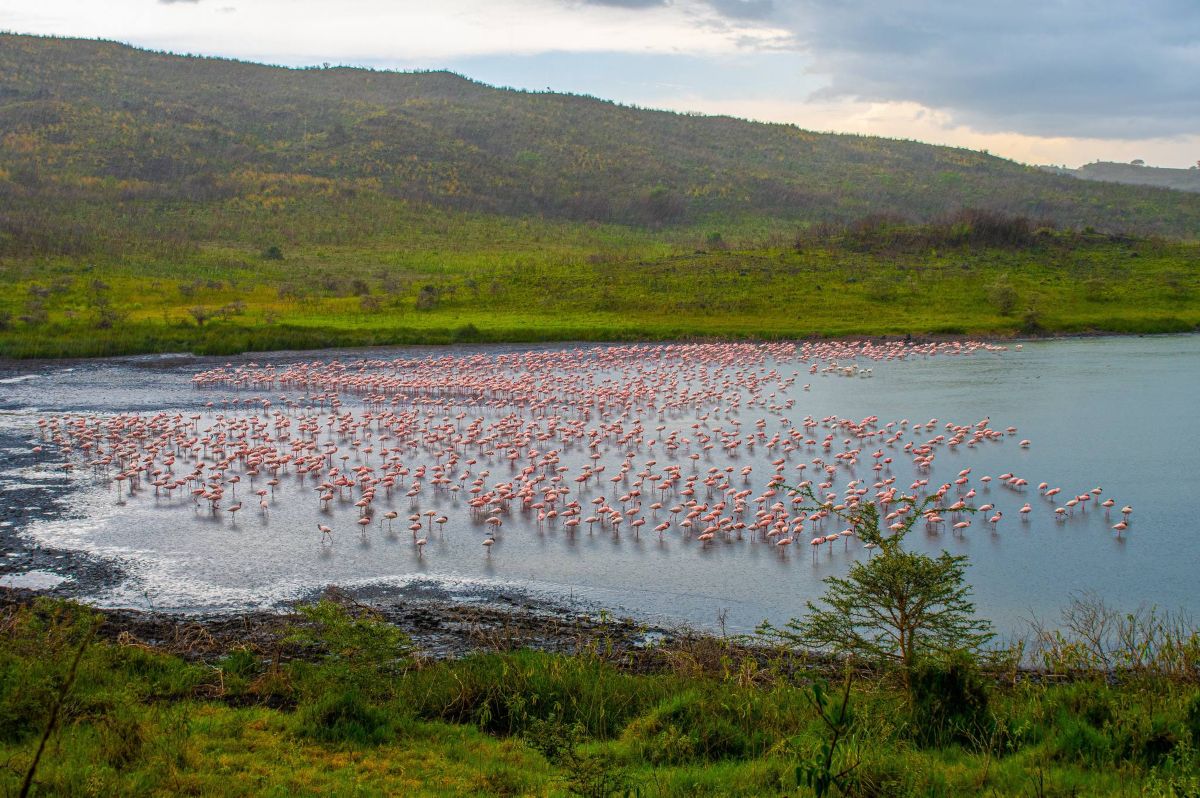
Mkomazi National Park, Tanzania. Seeing a black rhino come out of the morning fog in Mkomazi National Park is enough to make anyone feel a chill. It is a kind of exciting moment that reminds you why we work so hard to protect these wild areas. Many years of work and effort have finally made a difference here changing a place that was once not well known into a strong example of hope for people who care about animals all, around the world. As more visitors come Mkomazi shows that taking care of the planets special animals does more than just save them—it changes the way we see the wild completely.
The Remarkable Elevation Of Conservation Tourism Across East Africa
The implementation of specialized protection zones inside Mkomazi National Park has fundamentally altered how global travelers experience wilderness journeys. Prior to 2021, the region remained a quiet sanctuary that logged roughly 3,000 yearly arrivals. However, targeted habitat protection for the endangered black rhino, accompanied by focused outreach campaigns, completely reshaped visitor demand. By September 2026, annual visitation reached nearly 10,000 individuals, demonstrating how strongly modern travelers favor ethical eco-tours. International holidaymakers now purposefully choose travel locations where their expenditure directly assists high-value animal preservation initiatives.
Furthermore, this rapid increase in traveler volume offers a reliable model for destination managers across the world. Investing directly in animal protection creates high-value economic opportunities that generate dependable regional income. Global vacationers gladly customize entire travel itineraries around rare animal sightings, turning serene nature spaces into top-tier global attractions. The remarkable achievement recorded near the border of Kenya confirms that genuine habitat preservation can function as a primary engine for regional economic growth.
Advertisement
Advertisement
Comprehensive Biological Variety Within Interconnected Transboundary Habitats
Covering a total area of 3,245 square kilometres, Mkomazi National Park sits directly adjacent to Kenya’s Tsavo ecosystem. This shared geographic location creates a crucial wildlife migration corridor that allows animal species to flourish across expansive natural spaces. Beyond the major highlight of the sanctuary, the reserve preserves an extraordinary collection of African fauna:
Advertisement
Advertisement
To accommodate diverse visitor preferences, the management provides tailored outdoor activities across the reserve. Travelers enjoy high-quality game drives, immersive walking safaris, professional photography sessions, and wilderness camping experiences. These diverse activity choices encourage tourists to extend their stays, directly enriching local hospitality, transportation, and service sectors. The geographic partnership with Kenya’s neighboring Tsavo ecosystem illustrates the great value of cross-border ecological preservation for global travel markets.
Widespread Impacts On Global Travel Dynamics And International Flight Patterns
The surge of international arrivals in Tanzania signals a permanent movement away from standard mass-market vacation trips. Today’s global travelers favor environmental sustainability, authentic experiences, and clear opportunities to observe endangered wildlife in natural environments. Guaranteed viewings inside protected areas prompt tour planners globally to redesign regional travel routes. Consequently, international operators regularly incorporate lesser-known game reserves alongside traditional safari stops, building high-impact wildlife itineraries for clients worldwide.
Additionally, this rising interest in conservation-focused travel shifts long-distance flight booking patterns, extend stay durations, and increases overall tourist spending. As travelers redirect vacation budgets toward meaningful wildlife encounters, local hospitality industries receive dependable financial support. The rising popularity of photography excursions and guided walking safaris reflects a global preference for deliberate, sustainable travel. The successful management of these 3,245 square kilometres demonstrates that protecting delicate ecosystems remains the single most effective strategy for building durable, worldwide travel demand.
Long-Term Economic Advantages For Regional Communities And Ecosystem Preservation
The remarkable expansion of tourism numbers generates a positive economic ripple effect throughout nearby towns and rural communities. Higher visitor volume directly stimulates job creation across hospitality management, tour guiding, transport operations, and artisanal crafts. Consequently, local populations receive direct financial rewards from wildlife protection, transforming former conservation challenges into collaborative community efforts. When surrounding populations benefit financially from animal protection, illegal poaching activities decline sharply, securing the long-term survival of endangered species.
Advertisement
Advertisement
Moreover, revenue generated from increased visitor entries provides dedicated funding for ongoing wildlife management and anti-poaching patrols. The establishment of self-sustaining funding models reduces reliance on external grants, creating stability for regional conservation efforts. This positive feedback loop—where tourism revenues directly fund environmental defense—serves as an exemplary blueprint for wildlife managers worldwide. Ultimately, integrating sustainable tourism into protected landscapes ensures both economic security for local communities and long-term protection for fragile ecosystems.
Future Outlook For Sustainable Tourism Markets Across Global Wildlife Destinations
The success achieved within Mkomazi National Park sets a compelling benchmark for nature-based travel across the world. Destination management organizations worldwide now recognize that active biodiversity preservation forms the core foundation of premium travel experiences. As international consumers become increasingly conscious of environmental impacts, destinations offering verified conservation success will consistently outperform conventional holiday spots. This cultural shift encourages national governments to allocate larger budgets toward habitat restoration and wildlife defense programs.
Looking ahead, the integration of specialized sanctuary zones, strict visitor limits, and sustainable infrastructure will define the standard for luxury safari trips. Travelers increasingly demand authentic, low-impact adventures that contribute directly to environmental health. By proving that economic profitability and aggressive animal preservation can comfortably coexist, Tanzania has reshaped expectations for global wildlife travel. Modern eco-tourists now view their journeys not merely as leisure vacations, but as active investments in the preservation of the planet’s rarest natural treasures.
Advanced Wildlife Safeguards And Highly Intensive Anti-Poaching Security Infrastructure
Within the expansive 3,245 square kilometres of Mkomazi National Park, local authorities have designated an enclosed, highly protected sanctuary covering 45 square kilometres. This intensive management zone safeguards between 10 to 15 endangered black rhinos, representing roughly 30% of Tanzania’s total black rhino population, which stands at an estimated 130 to 150 individuals nationwide. Protected by specialized perimeter fencing and round-the-clock surveillance, this designated territory provides a controlled environment necessary for species recovery.
Advertisement
Advertisement
To guarantee maximum protection, security operations feature 24-hour armed ranger patrols working alongside veterinary teams on fixed monitoring schedules. These dedicated conservation officers track individual animals daily, gathering health metrics while deterring illegal poaching activities. Consequently, this stringent security setup ensures the long-term survival of the resident megafauna, offering a secure environment that underpins the reserve’s growing reputation among international safari enthusiasts.
Preserving Unique Dry-Country Antelope Species Within Specialized Semi-Arid Ecosystems
Beyond its flagship heavyweights, Mkomazi National Park serves as the primary sanctuary in Tanzania for specialized Sahelian and dry-zone wildlife species. The reserve offers vital refuge for rare creatures such as the gerenuk also known as the giraffe-gazelle due to its long neck—and the striking, spiral-horned lesser kudu. These rare species thrive in semi-arid conditions that are largely absent from standard northern safari circuits, making the location a critical habitat for regional biodiversity.
Furthermore, these specialized mammals coexist with a remarkably rich avian population comprising over 450 documented bird species. Birdwatching enthusiasts can spot distinct dry-country avian specialties throughout the landscape, including the vulturine guineafowl and various cobalt-crested species. This diverse ecological profile establishes the destination as a multifaceted haven for nature lovers seeking wildlife that cannot be easily observed elsewhere in the region.
Transboundary Ecological Connectivity Across Key East African Protected Corridors
Geographically, Mkomazi National Park acts as an indispensable migratory bridge, lying directly contiguous with Kenya’s Tsavo West National Park. Together, these combined reserves form an uninterrupted, joint transboundary ecosystem covering more than 20,000 square kilometres of protected wilderness. This vast space allows large animal populations to roam freely across national borders according to seasonal movement patterns.
Advertisement
Advertisement
This cross-border connectivity is essential for maintaining natural migration pathways for large herds of elephants, pride groups of lions, and roaming packs of rare African wild dogs. By preserving this contiguous corridor, environmental authorities ensure healthy genetic exchange among wildlife populations while protecting crucial foraging and breeding grounds across East Africa.
Endangered Carnivore Recovery Initiatives And Dedicated Wild Dog Breeding Programs
Parallel to its renowned rhino initiative, Mkomazi National Park hosts an impactful captive breeding and reintroduction program for the endangered African wild dog, also known as the painted dog. Once facing total local extinction due to habitat loss and disease, these native predators have been carefully bred, vaccinated, and reintroduced into protected wild zones across the reserve.
These structured recovery efforts have successfully re-established stable local packs within the park, turning the territory into one of the premier centers for carnivore conservation research in East Africa. The steady recovery of the African wild dog population highlights the effectiveness of science-backed intervention, demonstrating how targeted management can restore top predators to their natural ecological roles.
Economic Park Fee Structures And Streamlined Logistics For International Travelers
From a financial perspective, access to Mkomazi National Park remains remarkably budget-friendly compared to higher-priced circuits across Tanzania. Standard foreign adult entrance fees are set at $30 per day (plus 18% VAT), making high-value wildlife viewing accessible to a broad demographic of eco-conscious global travelers. This competitive pricing structure allows visitors to enjoy authentic safari experiences without incurring prohibitive daily park costs.
Advertisement
Advertisement
In addition to its affordable fee system, the reserve boasts favorable geographic accessibility for long-haul vacationers. Situated approximately a 3-hour drive (around 110 kilometres) from Kilimanjaro International Airport, the destination integrates smoothly into regional travel itineraries. This close proximity simplifies transportation logistics, allowing international tourists to transition quickly from flight arrivals to wilderness excursions.
Microclimate Weather Patterns, Seasonal Rainfall Metrics, And Optimal Viewing Windows
The regional climate across Mkomazi National Park is defined by an Acacia-Commiphora bushland environment, receiving an average annual rainfall between 500 mm and 600 mm. Lowland temperatures generally hover between 25°C and 38°C, creating a distinct dry-country climate that dictates animal movement and seasonal vegetation density throughout the year.
For optimal wildlife viewing, the dry season spanning from June through October offers peak visibility, as animals gather predictably around permanent waterholes and natural sanctuaries. Conversely, the green season running from November through April transforms the landscape into a vibrant ecosystem, attracting numerous migratory bird species from Europe and providing ideal conditions for photography enthusiasts.
Low-Density Safari Dynamics And High-Probability Wildlife Encounter Rates
Guided vehicle tours within the dedicated sanctuary area maintain an extraordinarily high sighting success rate for black rhinos, bringing visitors to safe, respectful viewing distances of 30 to 50 metres. This controlled access ensures that guests enjoy memorable, up-close photographic opportunities while trained personnel enforce safety protocols to prevent animal stress.
Advertisement
Advertisement
Even as annual visitor totals grew from 3,000 prior to 2021 to nearly 10,000 by September 2026, average tourist density remains low at under 30 visitors per day. This deliberate distribution of visitor traffic prevents vehicle crowding around animal sightings, preserving the wilderness atmosphere while minimizing human disturbance to fragile habitats.
Socio-Economic Development Initiatives Across Surrounding Mountain Communities
Direct revenue generated from park entry fees fuels community outreach, local employment, and educational programs across rural villages bordering the Pare and Usambara Mountains. By reinvesting tourism capital into surrounding human settlements, conservation authorities foster positive relationships between wildlife management bodies and regional residents.
Furthermore, increased tourist traffic generates economic benefits across nearby communities by supporting local lodge accommodations, specialized safari transport drivers, and community-based craft markets. This sustainable economic multiplier ensures that nearby populations profit directly from wildlife protection efforts, reinforcing regional support for long-term habitat preservation throughout Tanzania’s northern tourism corridor.
The Final Horizon
At its heart Mkomazi is far more than a success story on a chart. It is a living breathing promise that humanity can still heal what it once broke. Standing on the plains as the sun sets over the Usambara horizon you feel a deep humbling gratitude, for the rangers and visionaries who refused to let these magnificent creatures vanish. As travelers our choices carry power. By choosing to step into these protected sanctuaries we become part of their survival. We help ensure that the wild soul of East Africa keeps beating for generations to come.
Advertisement
