
France Alongside Italy, Spain and Germany Face Rising Tourist Safety Concerns as Chinese Travellers Encounter Pickpocketing Risks Across Europe: All You Need to Know

Published
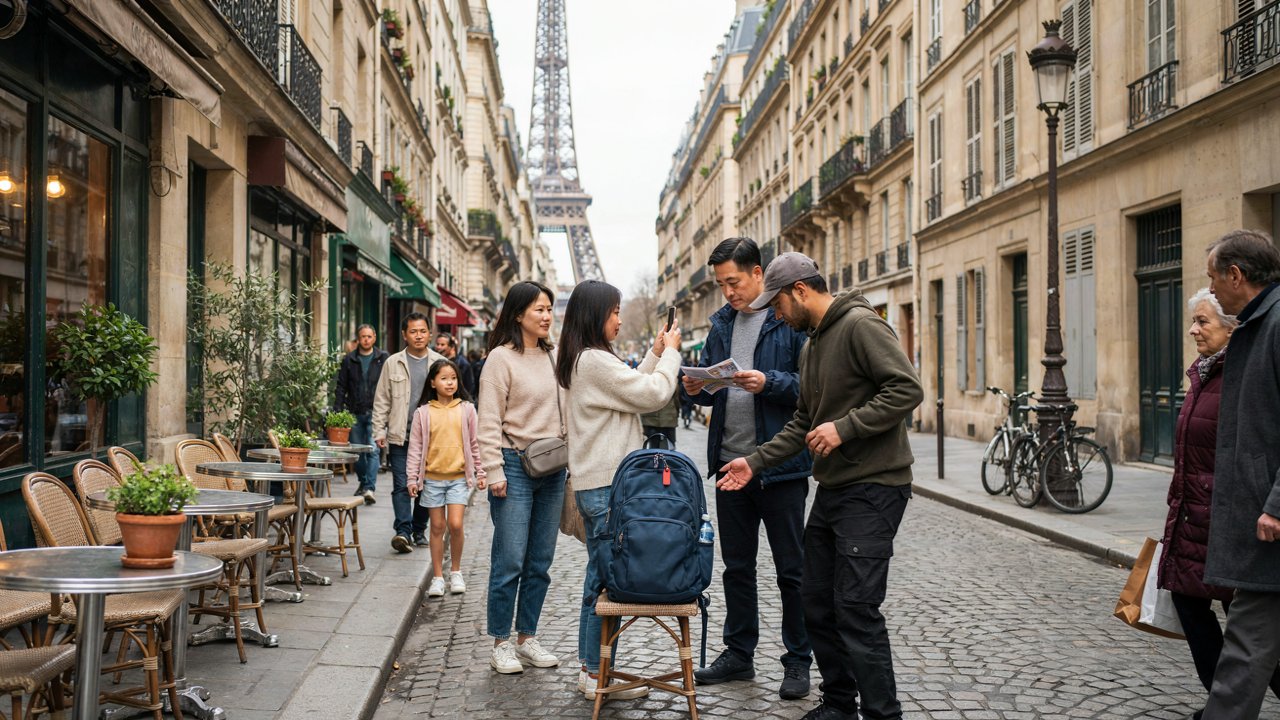
Chinese tourists exploring Europe’s most celebrated destinations are facing an important travel safety concern as pickpocketing, bag theft and distraction-based crime continue to affect busy sightseeing locations. From Paris and Rome to Barcelona and Berlin, crowded attractions and transport networks present opportunities for thieves targeting visitors’ valuables. While official guidance highlights these risks, it does not establish that Chinese travellers are disproportionately targeted. As international tourism expands, protecting passports, mobile phones and personal belongings has become an essential consideration for travellers discovering Europe’s cultural landmarks.
France’s Popular Tourist Attractions Highlight Growing Security Concerns
France remains a prominent European holiday destination, attracting international visitors through its historic landmarks, cultural attractions and celebrated shopping districts.
Advertisement
Advertisement
Paris is particularly popular among travellers exploring the Eiffel Tower, Louvre Museum and the city’s historic neighbourhoods.
However, crowded sightseeing locations and public transport networks can create opportunities for pickpocketing.
Advertisement
Advertisement
Travel safety guidance identifies the Paris Métro, RER trains and major railway stations as locations where visitors should remain particularly alert.
Thieves may exploit crowded conditions or create distractions to remove valuables from bags and pockets.
Advertisement
Advertisement
Chinese tourists navigating unfamiliar transport systems should keep passports securely stored and avoid displaying large amounts of cash.
Despite these concerns, France remains an attractive cultural destination, with straightforward security precautions helping visitors enjoy its landmarks more confidently.
Italy’s Rome, Florence and Venice Present Important Travel Safety Considerations
Italy’s historic cities continue to attract international travellers interested in architecture, cultural heritage and Mediterranean experiences.
Rome offers the Colosseum, Roman Forum and Vatican-area attractions, while Florence is renowned for Renaissance art and Venice for its canals.
However, busy public spaces and transport facilities can expose travellers to opportunistic theft.
Official travel guidance identifies pickpocketing risks around Italian railway stations, public transport and crowded tourist areas.
Advertisement
Advertisement
For Chinese visitors combining several destinations into one European itinerary, luggage management becomes particularly important.
Tourists should keep handbags closed, avoid leaving phones unattended and maintain control of valuables during train journeys.
These preventive measures can reduce the likelihood of theft disrupting an otherwise memorable Italian holiday.
Spain’s Barcelona and Madrid Require Greater Awareness of Street Theft
Spain combines historic architecture, Mediterranean attractions and lively urban tourism experiences.
Barcelona’s Sagrada Família and Gothic Quarter attract international visitors, while Madrid offers museums, historic squares and shopping districts.
However, tourists should remain alert to pickpocketing and distraction techniques.
Advertisement
Advertisement
Official travel guidance warns that thieves sometimes work together, with one person distracting a visitor while another attempts to steal belongings.
Crowded streets, railway stations and public transport services may present opportunities for these incidents.
Chinese travellers unfamiliar with local surroundings should plan transport routes and secure important documents before entering busy areas.
Spain continues to offer outstanding tourism experiences, but sensible precautions remain important when exploring its major cities.
Germany’s Major Cities Bring Transport Security Into Focus
Germany offers an extensive network of historic cities, cultural attractions and international transport connections.
Berlin, Munich and Frankfurt remain important destinations for visitors travelling through Central Europe.
Advertisement
Advertisement
Although Germany provides convenient railway and public transport connections, travellers should remain alert at crowded stations, airports and major events.
Official guidance identifies pickpocketing and opportunistic theft as potential concerns in busy public areas.
Tourists carrying luggage, electronic devices and travel documents should avoid leaving belongings unattended.
For Chinese holidaymakers exploring several European countries, keeping valuables secure during transfers can prevent unnecessary disruptions.
Portugal and the United Kingdom Add to Europe’s Wider Visitor Safety Picture
Pickpocketing concerns extend beyond Europe’s largest tourism destinations.
Portugal’s Lisbon and Porto attract visitors through historic neighbourhoods, architecture and cultural attractions.
Advertisement
Advertisement
However, crowded trams, railway facilities and popular sightseeing areas require attention.
The United Kingdom presents similar practical considerations, particularly in London’s busy shopping districts, transport networks and visitor attractions.
Travellers should keep mobile phones secure and avoid placing wallets in easily accessible pockets.
While safety conditions vary between destinations, consistent precautions can help tourists enjoy multi-country European holidays.
European Destinations Where Chinese Tourists Should Remain Alert
| Country | Key destinations | Travel safety considerations |
|---|---|---|
| France | Paris | Pickpocketing around crowded attractions and transport |
| Italy | Rome, Florence, Venice | Theft risks at stations and popular sightseeing locations |
| Spain | Barcelona, Madrid | Distraction theft and opportunistic pickpocketing |
| Germany | Berlin, Munich, Frankfurt | Secure valuables at transport hubs and public gatherings |
| Portugal | Lisbon, Porto | Remain alert on crowded public transport |
| United Kingdom | London | Protect phones, wallets and bags in busy urban areas |
Why Crowded European Tourism Locations Attract Opportunistic Thieves?
Busy tourist destinations naturally create situations where visitors concentrate on sightseeing, navigation and photography.
These distractions may provide opportunities for thieves to access unsecured belongings.
Advertisement
Advertisement
Some offenders work individually, while others use coordinated distraction methods.
A traveller might be approached for directions or unexpectedly assisted while another person attempts to remove valuables.
Public transport can create similar vulnerabilities when passengers are crowded together.
However, theft risks should not discourage international travel.
Remaining aware of surroundings, securing bags and limiting unnecessary cash can substantially improve personal preparedness.
Chinese Travellers Face Additional Difficulties When Passports or Phones Are Stolen
Losing a passport during an international holiday can create complications beyond the immediate theft.
Advertisement
Advertisement
Chinese travellers may need assistance from local authorities and diplomatic missions before continuing their journeys.
A stolen mobile phone can also interrupt access to accommodation bookings, digital tickets, translation applications and payment services.
These difficulties become more significant during multi-country European itineraries.
Travellers should therefore retain secure copies of essential documents and maintain alternative access to important booking information.
Emergency contact details should remain available independently of a primary mobile device.
Practical Measures to Reduce Pickpocketing Risks Across Europe
Tourists can take several straightforward precautions to protect their belongings.
Advertisement
Advertisement
- Keep passports and valuable documents in secure compartments.
- Avoid carrying unnecessary cash or expensive accessories.
- Use securely fastened bags in crowded environments.
- Keep mobile phones protected on public transport.
- Remain cautious when strangers create unexpected distractions.
- Store copies of essential travel documents separately.
- Report theft promptly to local police.
Travellers should also consider travel insurance that includes appropriate theft-related protection, subject to policy conditions.
These measures support safer journeys without restricting access to Europe’s major attractions.
European Tourism Businesses Can Strengthen International Visitor Confidence
Hotels, transport operators and travel companies can contribute to visitor safety by providing practical information.
Accommodation providers can explain local transport precautions and offer secure storage facilities.
Tour operators can remind travellers to safeguard valuables before entering crowded attractions.
Multilingual guidance may also help international visitors understand reporting procedures and emergency contacts.
Advertisement
Advertisement
For Chinese travellers unfamiliar with European administrative systems, accessible information can reduce confusion if an incident occurs.
Improved communication and practical visitor support can strengthen destination confidence while maintaining welcoming tourism experiences.
Frequently Asked Questions
1. Are Chinese tourists particularly vulnerable to theft in Europe?
Chinese travellers can encounter pickpocketing, but available official guidance does not establish that they face a higher risk than tourists of other nationalities.
2. Which European destinations require additional precautions?
Paris, Rome, Barcelona, Madrid, Berlin and other busy cities have crowded areas where travellers should secure valuables.
Advertisement
Advertisement
3. What should Chinese tourists do if their passports are stolen?
They should report the incident to local police and contact the nearest Chinese embassy or consulate for appropriate travel documentation assistance.
4. Are European railway networks safe for international tourists?
Rail travel is widely used across Europe. Travellers should nevertheless supervise luggage and protect valuables in crowded stations and carriages.
5. What emergency number should travellers remember in the European Union?
Travellers can call 112 for emergency assistance throughout EU member states.
Advertisement
Advertisement
Europe’s Tourism Future Depends on Safe and Welcoming Visitor Experiences
Europe continues to attract Chinese holidaymakers through its exceptional cultural heritage, historic cities and internationally recognised attractions.
However, pickpocketing and opportunistic theft remain practical concerns in crowded tourism environments.
France, Italy, Spain and Germany illustrate the importance of protecting personal belongings, while similar precautions apply across other European destinations.
For Chinese tourists, careful preparation, secure travel documents and awareness of common theft techniques can help prevent avoidable disruptions.
Ultimately, maintaining visitor confidence requires cooperation between travellers, local authorities and tourism businesses, allowing international guests to explore Europe’s attractions with greater peace of mind.
Advertisement
