

Mexico Hurricane Simon 2026: Major Travel Disruptions Hit Puerto Vallarta and Manzanillo

Updated
Published
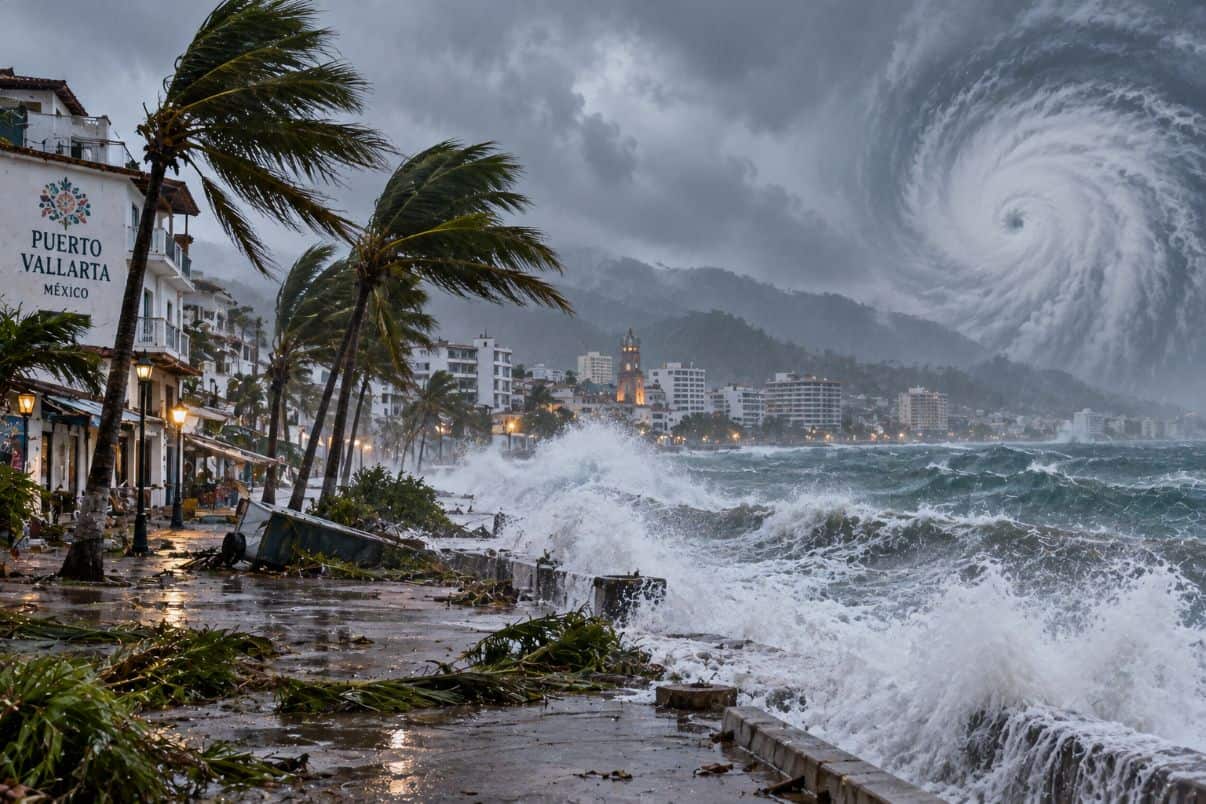
Mexico’s Pacific coast is confronting a dangerous hurricane emergency as Hurricane Simon threatens popular resorts, coastal communities and vital transport connections. The powerful Category 4 storm intensified during 10–11 October 2026, bringing destructive winds, torrential rainfall and serious flooding concerns to Jalisco, Colima and neighbouring states. Puerto Vallarta and Manzanillo faced airport closures, while authorities ordered evacuations, restricted beach activities and opened emergency shelters. With sustained winds reaching approximately 150 mph, the hurricane has created uncertainty for holidaymakers and local businesses. Travellers are being urged to prioritise safety, verify flight arrangements and follow official Mexican government weather warnings.
Hurricane Simon Reaches Dangerous Category 4 Strength Along Mexico’s Pacific Coast
Hurricane Simon intensified into a Category 4 storm as it approached Mexico’s west-central Pacific coastline during the weekend of 10–11 October 2026.
Advertisement
Advertisement
The US National Hurricane Center reported maximum sustained winds reaching approximately 150 mph, equivalent to 240 kilometres per hour, during an early Sunday assessment.
At that stage, the hurricane was approximately 110 miles south-southeast of Cabo Corrientes, moving north-northwest at around 6 mph.
Advertisement
Advertisement
Later observations indicated winds near 145 mph, demonstrating the storm’s continuing intensity.
Forecasters warned that destructive winds, storm surge and exceptional rainfall could affect coastal communities even if the hurricane’s centre remained offshore.
Advertisement
Advertisement
The danger extended beyond beachfront resorts to inland settlements vulnerable to flash flooding and landslides.
These observations describe the storm’s reported position and strength on 11 October rather than its live location on 12 October.
Puerto Vallarta Faces Major Tourism Disruption as Hurricane Threat Intensifies
Puerto Vallarta, one of Mexico’s established Pacific resort destinations, became a major focus of emergency preparations.
Hotels, restaurants and other businesses began protecting properties with boards and sandbags ahead of the approaching storm.
Authorities instructed residents and visitors to remain in secure locations and comply with evacuation orders where necessary.
Nearby Cabo Corrientes was considered particularly exposed because of its coastal position.
Advertisement
Advertisement
Other Jalisco communities identified for heightened attention included Cihuatlán, La Huerta and Tomatlán.
The disruption affected normal tourism activities, including beach visits, sightseeing and some commercial services.
For travellers, the immediate concern was access to safe accommodation and reliable information about transport arrangements.
Visitors with reservations in Puerto Vallarta were advised to contact hotels and airlines rather than attempt unnecessary journeys during hazardous conditions.
Manzanillo and Colima Activate Emergency Measures Amid Destructive Weather Threat
Manzanillo, a major Pacific port and resort destination in Colima, also faced dangerous coastal conditions.
Authorities restricted beach access and prepared emergency facilities as Hurricane Simon approached.
Advertisement
Advertisement
The state government announced five temporary shelters and deployed more than 1,500 personnel for emergency response operations.
Coastal communities including Armería and Tecomán were also identified as areas requiring particular attention.
Strong winds, heavy rainfall and hazardous seas threatened transport links, waterfront businesses and residential areas.
The Mexican government warned that hillside settlements could face additional dangers from landslides.
Emergency measures were intended to reduce exposure to the hurricane before conditions deteriorated further.
For tourists, the restrictions meant that normal beach holidays and maritime excursions could not be assumed to continue safely.
Advertisement
Advertisement
Visitors were advised to follow local civil protection instructions and avoid exposed coastal locations.
Puerto Vallarta and Manzanillo Airport Closures Create Serious Travel Uncertainty
Air travel along Mexico’s Pacific coast experienced disruption as airport authorities implemented precautionary closures.
Puerto Vallarta International Airport suspended operations from 6 pm local time on Saturday, 10 October.
The airport operator initially identified 8 am on Monday, 12 October, as a provisional reopening time, subject to weather conditions and infrastructure inspections.
Manzanillo International Airport also suspended operations on Saturday evening.
Commercial flights scheduled for 11 October were subsequently cancelled, according to the reviewed reporting.
Advertisement
Advertisement
These developments affected travellers planning journeys to Puerto Vallarta, Manzanillo and surrounding coastal destinations.
However, the announced reopening times were provisional and did not guarantee that every airline service would resume immediately.
Passengers were advised to contact their airlines before travelling to airport terminals.
No independently verified total of cancelled flights or affected passengers was available in the supplied reporting.
Mexico Evacuates Vulnerable Communities and Opens Emergency Shelters
Mexican federal and state authorities activated emergency response procedures as the hurricane approached.
According to a government statement dated 9 October, Jalisco had evacuated 261 people from high-risk areas.
Advertisement
Advertisement
The state also prepared 13 temporary shelters with capacity for approximately 1,900 people.
Colima established five shelters and deployed emergency personnel to assist vulnerable communities.
Subsequent reporting indicated that 28 municipalities in Jalisco and Colima had been placed under the highest cyclone alert, while another 93 faced high-alert conditions.
Authorities also introduced restrictions on non-essential activities and suspended classes in certain coastal municipalities.
These measures reflected the seriousness of the forecast conditions.
For international visitors, the shelter arrangements reinforced the importance of following hotel evacuation instructions and official civil protection announcements.
Advertisement
Advertisement
Torrential Rainfall Raises Severe Flooding and Landslide Risks Across Western Mexico
Hurricane Simon’s rainfall posed a major threat beyond its destructive winds.
The National Hurricane Center warned that parts of southwestern Mexico could receive between 10 and 20 inches of rain.
Isolated locations in Michoacán, Colima and Jalisco faced forecasts reaching 30 inches.
These rainfall projections indicated the possibility of flash floods, overflowing rivers and landslides.
Mountainous terrain and communities located near steep slopes were considered particularly vulnerable.
Heavy rainfall also threatened highways connecting coastal resorts with inland towns.
Advertisement
Advertisement
For travellers, this created uncertainty about road access, sightseeing excursions and intercity transport.
Dangerous surf and rip currents added to coastal risks.
The Mexican Navy imposed navigation restrictions affecting Puerto Vallarta, Manzanillo, San Blas and Lázaro Cárdenas.
Visitors were advised to avoid swimming, boating and unnecessary road journeys until conditions improved.
Which Mexican Tourist Destinations Face the Greatest Travel Risks?
The principal areas identified in official warnings extend across Mexico’s west-central Pacific coast.
Puerto Vallarta and Cabo Corrientes in Jalisco faced concerns about destructive winds, coastal flooding and transport disruption.
Advertisement
Advertisement
Manzanillo, Armería and Tecomán in Colima were also subject to emergency precautions.
Costa Alegre, known for its coastal scenery and resort communities, faced potential flooding and hazardous sea conditions.
Further north, San Blas in Nayarit was affected by maritime restrictions.
Lázaro Cárdenas in Michoacán also faced concerns involving port operations and heavy rainfall.
These locations were identified because of forecast hazards and emergency measures, not because every destination had suffered confirmed damage.
Tourists should therefore distinguish between areas under precautionary warnings and locations where damage has been independently verified.
Advertisement
Advertisement
What Should Tourists Do During Hurricane Simon’s Travel Disruptions?
Travellers already staying in affected destinations should remain indoors or move to designated shelters when instructed by local authorities.
Hotel guests should follow emergency procedures and avoid exposed balconies, windows and coastal areas during dangerous weather.
Passengers facing flight cancellations should contact their airlines to discuss rebooking and available assistance.
Travellers requiring additional accommodation should communicate with hotels and travel insurers.
Receipts, cancellation notices and other documentation should be retained for possible insurance claims.
Visitors should also monitor official weather forecasts and avoid travelling through flooded roads.
Advertisement
Advertisement
Mexico’s emergency telephone number is 911.
Travellers with future bookings should consult airlines, tour operators and official travel advisories before making cancellation decisions.
The hurricane does not mean that every destination across Mexico is affected equally.
Hurricane Simon Creates Uncertainty for Mexico’s Pacific Tourism Industry
Mexico’s Pacific tourism industry faces significant disruption as Hurricane Simon threatens resorts, airports and coastal communities. Puerto Vallarta and Manzanillo have experienced precautionary airport closures, while evacuations and emergency restrictions have affected normal travel activities. Heavy rainfall, dangerous seas and possible landslides remain serious concerns for residents and visitors. The full economic impact will depend on infrastructure assessments and the speed at which transport and tourism services can safely resume. For holidaymakers, the priority is clear: follow government warnings, confirm travel arrangements and avoid unnecessary journeys until local authorities establish that conditions are safe.
Advertisement
