

Uzbekistan Steps Up With Georgia in Bold $1 Billion Trade Push to Strengthen Tourism and Regional Connectivity

Published
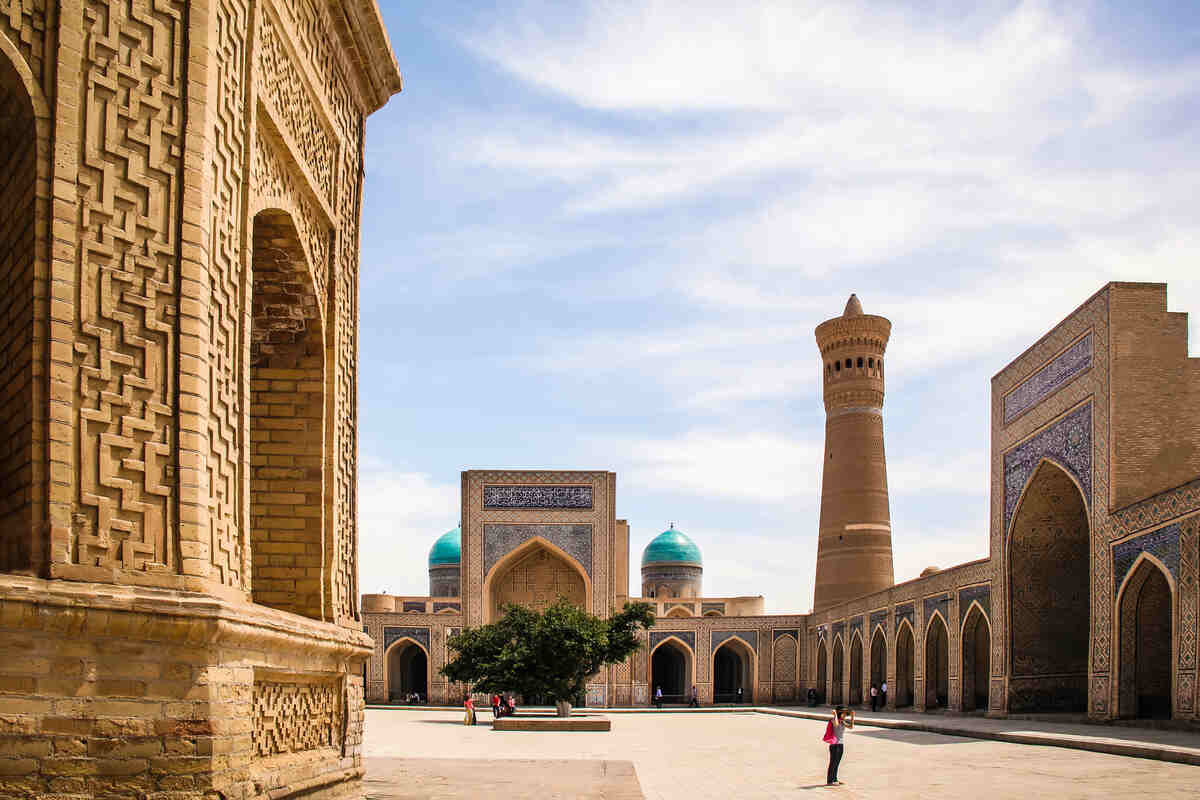
Uzbekistan and Georgia are looking to enhance their trade, tourism and regional connectivity. Both nations are set to boost trade and tourism between the two countries as they look to raise bilateral trade to $1 billion, while opening up new opportunities in aviation and regional connectivity. The two countries emphasized the importance of economic cooperation as they meet for the 11th time in the Intergovernmental Commission on Economic Cooperation, held in Tsinandali, Georgia, on 12 October 2026. In addition to expanding trade, transport corridors, air travel and investment were also discussed. The proposed logistics development at Georgia’s Port of Poti also has the potential to provide Uzbekistan with better access to European markets, thus facilitating economic and tourism integration with Central Asia and the South Caucasus.
Uzbekistan and Georgia Strengthen Economic Ties Through an Ambitious $1 Billion Trade Vision
A major step towards closer economic integration was taken as Uzbekistan and Georgia reaffirmed their ambition to expand bilateral trade to $1 billion. The target was discussed during the latest intergovernmental commission meeting, where opportunities for cooperation across several economic sectors were examined.
Advertisement
Advertisement
The existing free trade regime was identified as an important foundation for expanding commercial exchanges. Greater cooperation is expected to encourage investment, support businesses and improve access to regional markets.
Although the agreement discussions were primarily economic, their potential benefits extend to the travel industry. Stronger commercial relations could generate additional business journeys, encourage investment in hospitality and improve connections between the two countries.
Advertisement
Advertisement
Tourism Cooperation Emerges as an Important Part of Regional Economic Development
Tourism development was included among the important areas discussed during the bilateral meeting. Opportunities to strengthen tourism cooperation were considered alongside transport, investment and regional partnerships.
Both countries possess distinctive cultural attractions, historical landmarks and established tourism destinations. Uzbekistan is widely associated with its Silk Road heritage, while Georgia is recognised for its mountain landscapes, historic cities and cultural experiences.
Advertisement
Advertisement
Closer cooperation could help create opportunities for travel businesses, accommodation providers and destination marketing organisations.
However, no specific joint tourism programme or visitor-arrival target was announced in the information released about the meeting. The discussions instead reflected a broader commitment to strengthening economic relationships that could support tourism over time.
Improved Air Connectivity Could Create New Opportunities for International Travellers
The expansion of air connectivity was another important subject reviewed during the commission meeting. Better aviation links could support passenger movement, business travel and tourism exchanges between Uzbekistan and Georgia.
Air transport plays an important role in connecting Central Asia with the South Caucasus and wider international markets. Improved connections could make journeys more convenient and help tourism operators develop attractive travel itineraries.
Additional connectivity could also benefit companies involved in trade, logistics and investment.
While opportunities to increase air links were discussed, no specific airline expansion, new route or flight frequency was confirmed. Any future aviation developments would depend on commercial decisions, regulatory arrangements and demand.
Advertisement
Advertisement
Trans-Caspian Transport Route Gains Importance in Uzbekistan and Georgia Partnership
The Trans-Caspian International Transport Route, also known as the Middle Corridor, was given particular attention during the discussions. This important transport network connects Central Asia with European markets through the Caspian Sea and the South Caucasus.
For landlocked Uzbekistan, improved access to international shipping networks could reduce dependence on individual transport corridors and provide exporters with greater flexibility.
Georgia’s geographical position makes it an important connection between Asian trade networks and Black Sea shipping routes.
Further development of the corridor could strengthen regional supply chains, encourage infrastructure investment and improve the movement of commercial goods.
Although primarily designed for freight transport, stronger regional infrastructure could also support wider economic activity associated with tourism and international business travel.
Georgia’s Port of Poti Becomes Central to Uzbekistan’s European Trade Ambitions
The planned Uzbek logistics centre at the Port of Poti represents one of the most significant developments highlighted during the commission meeting.
Advertisement
Advertisement
The facility is intended to improve cargo handling and strengthen Uzbekistan’s access to European markets through Georgia.
Importantly, the first pilot shipment of Uzbek products to Europe has already been completed through the port, demonstrating the practical use of this transport connection.
The logistics project is expected to support more efficient movement of goods and encourage further commercial cooperation.
For Uzbekistan, improved port access could provide businesses with additional export opportunities. For Georgia, increased freight movement could reinforce its position as a regional transport and logistics hub.
The initiative also reflects growing interest in connecting Central Asian economies with international markets through diversified transport networks.
Industrial Cooperation and Investment Could Support Wider Tourism Infrastructure
Beyond trade and transport, opportunities for cooperation in industry, construction, agriculture, energy and finance were reviewed.
Advertisement
Advertisement
Joint industrial projects could encourage investment, strengthen manufacturing networks and create new commercial relationships between businesses in both countries.
Cooperation in construction could also support wider infrastructure development, although no specific tourism construction project was announced during the meeting.
Similarly, progress in energy and financial cooperation could improve the broader investment environment.
For the tourism industry, stronger infrastructure and business confidence can be important foundations for long-term development.
Hotels, transport operators, restaurants and tourism service providers could benefit indirectly if increased investment leads to stronger regional economic activity.
These possibilities remain potential outcomes rather than confirmed projects arising from the October discussions.
Advertisement
Advertisement
Regional Partnerships Could Bring New Opportunities for Travel and Business
Closer cooperation between the regions of Uzbekistan and Georgia was identified as another priority.
Stronger regional relationships could encourage business exchanges, investment partnerships and greater understanding between communities.
Such cooperation may also create opportunities for cultural tourism, educational visits and business events.
Uzbekistan’s historic destinations, including Samarkand, Bukhara and Khiva, offer established cultural tourism experiences. Georgia’s destinations, including Tbilisi, Batumi and the Kakheti wine region, provide complementary attractions for international travellers.
These destinations could benefit from greater awareness and improved connectivity if future tourism cooperation is translated into practical initiatives.
Nevertheless, no new joint itinerary, destination marketing campaign or cross-border tourism package was formally announced at the commission meeting.
Advertisement
Advertisement
Stronger Trade Networks Could Encourage Business Travel Across Central Asia
The proposed expansion of commercial ties could have implications for business tourism across the region.
As trade relationships develop, greater demand could emerge for corporate visits, investment meetings, trade exhibitions and professional exchanges.
Businesses exploring manufacturing, agriculture, construction and logistics partnerships may require more frequent travel between the two countries.
This could create opportunities for airlines, hotels, meeting venues and local transport services.
Improved air connectivity would be particularly relevant for these travellers, as convenient flight arrangements can influence the accessibility of commercial destinations.
However, the scale of any future increase in business travel will depend on how quickly trade and investment initiatives are implemented.
Advertisement
Advertisement
The $1 billion bilateral trade ambition provides a measurable economic objective, but it should not be interpreted as a forecast for tourism revenue or passenger numbers.
Uzbekistan’s Tashkent Region Set to Host the Next Economic Cooperation Meeting in 2027
The next meeting of the Uzbekistan–Georgia Intergovernmental Commission on Economic Cooperation is scheduled to be held in Uzbekistan’s Tashkent Region in spring 2027.
The forthcoming session is expected to provide another opportunity to review progress on trade, transport and wider economic cooperation.
Developments involving the Port of Poti, the Trans-Caspian route and investment partnerships could become important areas for continued discussion.
Progress in aviation and tourism cooperation will also be relevant to the broader relationship between the countries.
The upcoming meeting offers a potential opportunity for proposed initiatives to be developed further, although specific deliverables for the 2027 session have not yet been announced.
Advertisement
Advertisement
Uzbekistan and Georgia Look Towards a More Connected Future for Trade and Tourism
The renewed cooperation between Uzbekistan and Georgia reflects a broader effort to strengthen economic links between Central Asia, the South Caucasus and Europe.
The $1 billion trade target, proposed logistics development at Poti, and increased attention to the Trans-Caspian corridor demonstrate the importance being placed on regional connectivity.
For the travel industry, the discussions on tourism cooperation and improved air links are particularly relevant. Better connections could eventually encourage more leisure journeys, business visits and investment-related travel.
The immediate priority, however, remains the implementation of economic and transport initiatives. If these plans advance, stronger commercial networks could help create a more accessible and connected regional tourism environment.
Advertisement
