
Mount Fuji, Japan Ends 2026 Climbing Season as New Visitor Controls Shape Future Tourism

Published
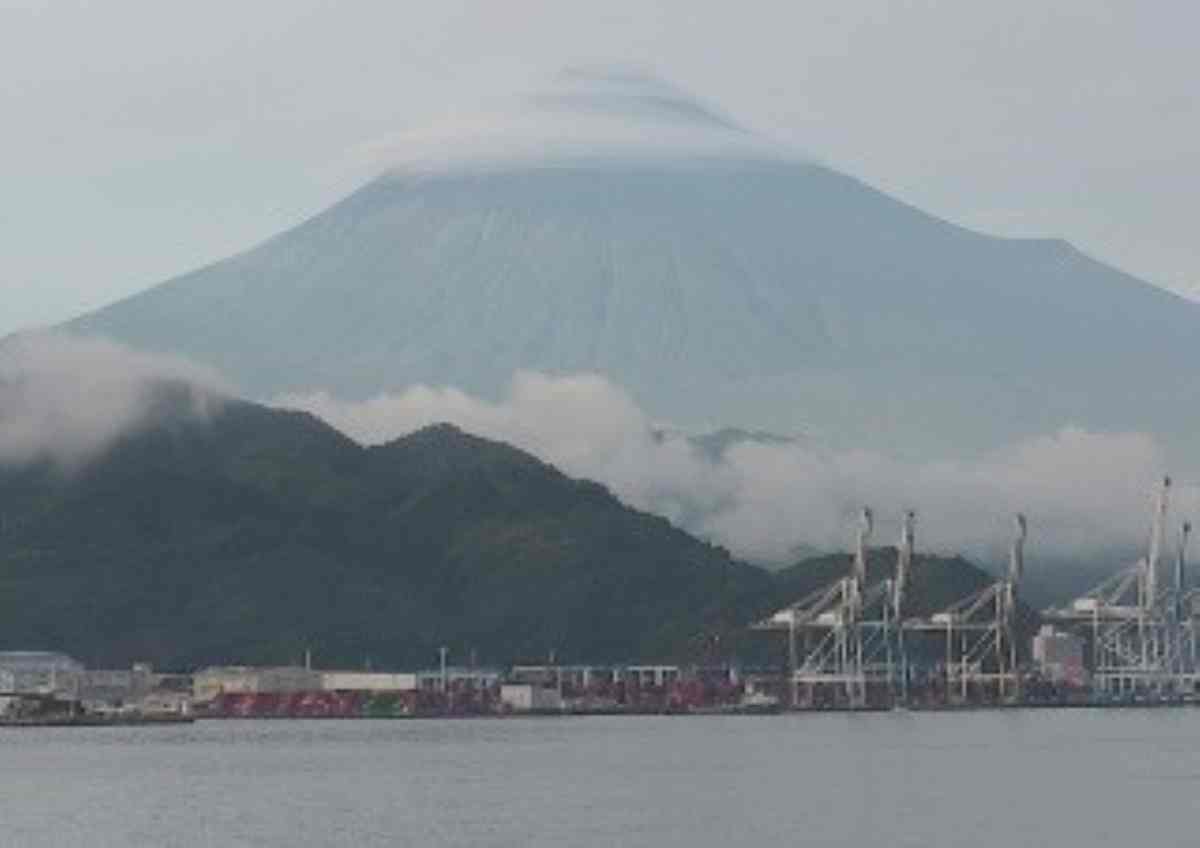
Mount Fuji in Japan has officially concluded its 2026 climbing season, thus marking the end of the current climbing season after the implementation of strict visitor management policies along the mountain’s four main trails. The official climbing season was closed on September 10th, with the Yoshida Trail in Yamanashi and the other three trails in Shizuoka Prefecture being closed off from access to the summit. In terms of tourism in Japan, the official closure signifies the end of yet another year when the management of Mount Fuji has been based on access controls, advance registration, and climbing policies. These policies, however, are especially relevant to foreign tourists as Mount Fuji climbing has become one of Japan’s most identifiable outdoor adventures.
Yoshida Trail Operated With a 4,000-Climber Daily Cap
The Yoshida Trail, the principal route from Yamanashi Prefecture, operated with a daily limit of 4,000 climbers during the 2026 season. Once that number was reached, the fifth-station gate could close to additional climbers without reservations.
A further restriction prevented general entry through the gate between 2 pm and 3 am, with mountain-hut guests excluded from that particular closure. The system was designed to restrict late-day ascents associated with so-called “bullet climbing”, in which visitors attempt to reach the summit without sufficient rest or overnight accommodation.
The Yoshida Trail also carried a ¥4,000 hiking fee per person per climb in 2026.
Advertisement
Advertisement
The combination of a numerical cap, a timed gate and a mandatory fee created a substantially more controlled arrival process for people heading towards the summit.
All Four Main Routes Now Closed
Mount Fuji has four principal climbing routes, with one in Yamanashi and three in Shizuoka.
Advertisement
Advertisement
The Yoshida Trail closed for summit access after the 2026 season, while Shizuoka’s Fujinomiya, Gotemba and Subashiri routes also ended their regulated climbing periods on 10 September. Shizuoka Prefecture confirmed that its three summit routes entered winter closure at 5pm on that date.
The official Mount Fuji climbing website now states that the 2026 season has ended and that summit trails are closed during winter. It warns that climbing outside the designated season is dangerous because mountain huts and first-aid facilities are closed and weather conditions can become severe.
For travellers visiting the Fuji region in autumn, this means the mountain can still be viewed, photographed and experienced from surrounding destinations, but the normal summer summit experience is no longer available.
Shizuoka Introduced Similar Controls
The three Shizuoka routes operated under their own visitor-management framework during the 2026 season.
Climbers were required to register through the FUJI NAVI advance registration system and obtain an entry permit before reaching the mountain. Visitors also had to complete online learning covering Mount Fuji conservation, safety and climbing rules.
The Shizuoka routes also applied a ¥4,000 entry fee per person per climb.
Advertisement
Advertisement
Visitors attempting to enter between 2 pm and 3 am were required to have a mountain-hut reservation, with accommodation bookings checked at the trail entrances.
The measures applied to the Fujinomiya, Gotemba and Subashiri routes, giving both prefectures a more structured approach to managing summer climbing.
Fees Support Conservation and Safety
The introduction of climbing charges is also linked to the protection of Mount Fuji and the management of visitor facilities.
Shizuoka Prefecture states that its climbing fees are used for environmental conservation, safety measures, climber support and the administration of climbing restrictions. Revenue is placed into the prefecture’s Mount Fuji conservation fund, with spending determined through annual review and prefectural procedures.
For visitors, the charge therefore forms part of a wider mountain-management system rather than functioning solely as an admission payment.
The approach also reflects the growing importance of protecting Mount Fuji as both a World Heritage site and a major tourism destination.
Advertisement
Advertisement
Travel Around Mount Fuji Continues After the Climb
The end of the climbing season does not mean the wider Fuji tourism season has ended.
The Fuji Five Lakes area remains a major autumn destination, with towns such as Fujiyoshida and lakeside communities providing views towards the mountain. Visitors can explore the surrounding landscape, cultural sites, accommodation and seasonal scenery without attempting the summit.
Road access is also subject to seasonal arrangements. Shizuoka’s 2026 summer private-vehicle restrictions on the Fujinomiya and Subashiri access roads ended on 10 September, following their designated summer periods.
For international travellers, the region can therefore remain part of a broader Japan itinerary linking Tokyo with the Fuji Five Lakes, Hakone, Nagoya and other destinations.
Official Link : https://www.fujisan-climb.jp/en/
Autumn Changes the Mount Fuji Experience
September marks a clear transition in Mount Fuji tourism.
During the summer climbing season, visitors arrive at the fifth stations with hiking equipment, advance registrations and climbing reservations. After the seasonal closure, the focus moves towards lower-altitude sightseeing, lakeside travel and views of the mountain from surrounding communities.
Advertisement
Advertisement
The official climbing authority stresses that the summit routes should not be treated as ordinary hiking trails once the season ends. The trails above the designated closures are closed, and attempting an out-of-season ascent can expose visitors to conditions very different from those encountered during summer.
For autumn visitors, the safest way to experience Mount Fuji is therefore through the many accessible attractions around its base rather than an unscheduled summit attempt.
Japan Tourism Moves Towards Managed Mountain Travel
It is obvious that the climbing season in 2026 shows how the Japanese are beginning to control people’s access to the natural tourist attractions they have. For Mount Fuji, this can be done through the system of daily quotas, climber fees, reservations, time of the climb, and even closure of the mountain during some months. Though the system established for 2026 has already been completed, the experience gained will definitely affect the future. The prefecture of Shizuoka has already stated that the rules and regulations for 2026 have been completed, and information about the next season will be provided when decisions are made. Therefore, it will be necessary for tourists intending to climb Mount Fuji in 2027 to visit the climbing website.
Advertisement
