
Malaysian Travellers in 2026 Prioritize their Value-Driven Travel, Reshaping Destinations, Accommodation Choices and Boosting Tourism Growth with Experience-Focused Spending

Published
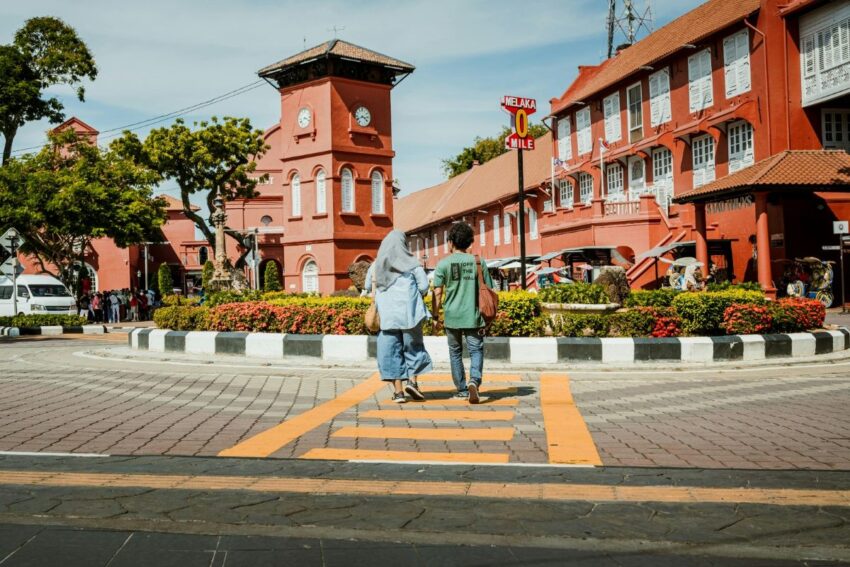
Malaysian travelers in 2026 will adopt a new strategy for their travel behavior by shifting towards value-based approaches in making plans and booking journeys. The findings from a new travel industry outlook indicate that the aspect of budget constraints is not being considered as one among many other factors, but is now becoming an essential part of the decision-making process when choosing destinations, accommodation and travel frequency in Malaysia.
What sets this trend apart from other trends is the fact that travelers are no longer interested in reducing costs at all times, but are interested in considering the value in their travels. They want to have the best experience within affordable budgets, thus, making their decisions more rational and planned than before.
Advertisement
Advertisement
Appetite Growing for Alternative and Lesser‑Known Destinations
One of the most pronounced behavioural shifts among Malaysian travellers is a greater openness to lesser‑known destinations. Rather than defaulting to well‑established tourist hubs, a significant proportion of travellers are willing to consider locations that may be less familiar, provided those destinations offer cost savings and unique experiences. This development not only expands traveller horizons but also redistributes tourism demand more evenly across regions.
By considering emerging destinations, travellers tap into authentic cultural experiences and less congested natural sites, a dynamic that benefits local communities and spreads the economic gains of tourism beyond traditional hotspots. For the travel and tourism sector, this trend opens opportunities for regional tourism boards and hospitality providers to showcase lesser‑featured attractions that match changing traveller priorities.
Advertisement
Advertisement
Accommodation Choices Reflect Cost‑Conscious Mindset
Accommodation decisions stand out as a key reflection of this value‑oriented trend. Malaysian travellers are setting clear expectations for nightly lodging costs, with a significant share indicating that spending US$50 or less per night aligns with their travel budget plans. In accommodation selection, price has overtaken many traditional considerations, becoming the most cited factor influencing where travellers choose to stay.
This does not suggest that quality is being entirely forsaken. Rather, travellers are seeking practical and well‑priced lodging options that deliver comfort, convenience, and essential amenities without premium pricing. The rise of value‑driven accommodation means hoteliers and hospitality operators must design offerings that balance affordability with guest expectations, whether through budget boutique hotels, value packages, or promotional deals that include services and experiences.
Advertisement
Advertisement
Increased Domestic Travel and Frequent Shorter Trips
Another dimension of the value‑driven travel evolution is a shift toward domestic travel and shorter, more frequent trips. Nearly half of Malaysian travellers anticipate that most of their journeys in 2026 will be within the country. Closer‑to‑home travel allows families and individuals to reduce transportation costs while enjoying a variety of experiences across Malaysia’s diverse landscapes, from beaches and highlands to cultural cities.
Furthermore, many travellers plan to take multiple trips throughout the year, with four to six journeys emerging as a common travel pattern. Trip lengths of four to seven days are popular, offering a balance between immersive experiences and budget management. Frequent domestic travel also aligns with flexible work arrangements, enabling segments of the population to take advantage of shorter breaks without the extended time commitments traditionally associated with travel.
What Malaysians Value Most in Travel Experiences
Even as price consciousness rises, Malaysians continue to prioritise travel experiences that matter deeply to them. Relaxation remains the top motivation, as travellers seek respite from daily routines and the pressures of work and life. This underscores an important insight: value‑driven travel does not diminish the pursuit of meaningful experiences; instead, it reframes them within achievable budgets.
Culinary experiences also remain high on the agenda. Food plays an integral role in travel, especially in a culturally diverse society where regional cuisine is part of the attraction of visiting new places. Travellers are drawn to food not only for sustenance but as a gateway to local culture and tradition.
Social connection remains a fundamental component of travel. A majority of travellers indicate plans to journey with family or loved ones, reflecting the enduring importance of shared experiences. This reinforces the concept of travel as an investment in social wellbeing, not just sightseeing.
Impact on Malaysia’s Travel and Tourism Sector
The rise of value‑oriented travel among Malaysian tourists has significant implications for the broader travel and tourism sector. As travellers adjust their spending habits and preferences, industry players must adapt to meet evolving demands.
Advertisement
Advertisement
Airlines, for instance, are adjusting offerings to emphasize flexibility and cost‑effective options. Promotions, bundled packages, and dynamic pricing strategies are becoming critical tools for capturing the attention of travellers who compare not just destinations, but the total cost of travel.
For the hospitality industry, the emphasis on affordable accommodation means new opportunities for mid‑range hotels, serviced apartments, and budget boutique properties to thrive. Small and medium tourism enterprises can leverage value propositions that combine comfort with local authenticity, a combination that resonates with today’s travellers.
Local tourism authorities and destination marketing organisations are also realigning strategies, highlighting affordability and diverse travel experiences. This includes promoting regional events, cultural festivals, and nature‑based attractions that offer high emotional and experiential value at accessible price points. The focus on domestic travel supports national tourism agendas aimed at building resilient tourism ecosystems that benefit a wide range of stakeholders.
Opportunities for Regional Development and Community Engagement
As travel demand diversifies beyond major urban centres and iconic destinations, lesser‑known regions stand to benefit economically. Increased travel to regional areas drives income for local businesses such as restaurants, tour operators, transport services, and cultural sites. This broader distribution of tourism activity contributes to community development, job creation, and enhanced economic resilience.
Local governments and tourism bodies play a key role in shaping these outcomes by investing in infrastructure, training, and destination readiness. Policies that support sustainable tourism, community‑led experiences, and environmental protection ensure that increased visitation strengthens, rather than strains, local ecosystems.
A Shift Toward Purposeful and Balanced Travel
In terms of the future, Malaysian travel in 2026 embodies a holistic outlook regarding value, meaning, and experience. Travelers are no longer being overly frugal; rather, they are beginning to make informed decisions that yield maximum experiential and emotional gains from the trips they take. There seems to be a lasting change in the culture of travel as travelers become intentional explorers and participants in activities that matter most to them.
Advertisement
Advertisement
From an industry standpoint, the challenge is in innovating and collaborating to meet this new demand. Value does not imply lower quality; rather, it implies aligning products and services with traveler needs such as comfort, experience, authenticity, and memorable encounters within a tight budget.
Image Source: Agoda
Advertisement
