

Sonadia Island Catastrophic Environmental Breakdown in Cox’s Bazar Bangladesh as Illegal Land Grabbing Tsunami, Mangrove Annihilation, and Governance Paralysis Ignite a Full Scale Coastal Ecological Emergency Threatening National Biodiversity Survival

Published
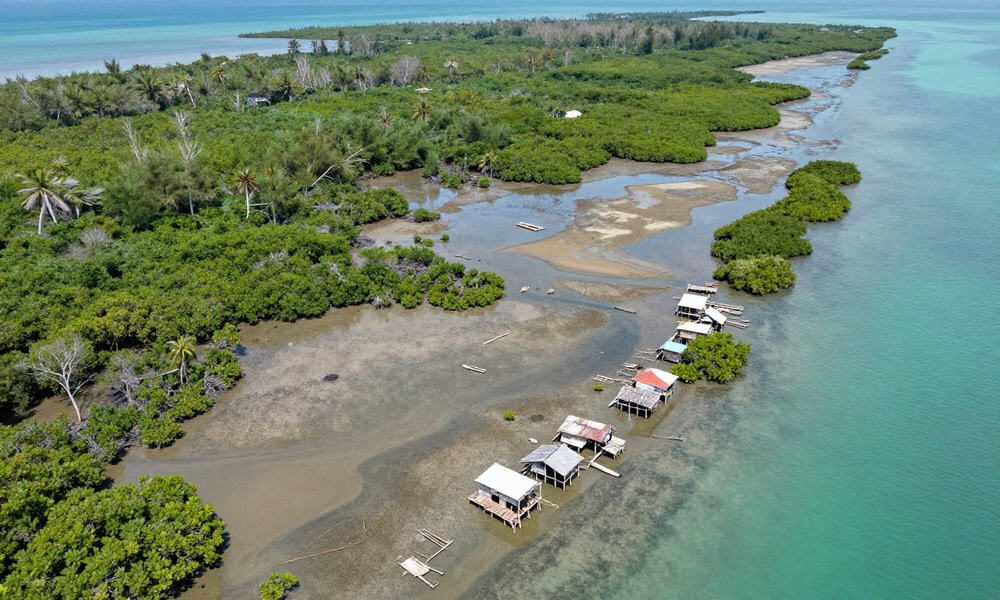
Sonadia Island in Cox’s Bazar is undergoing a severe environmental and administrative crisis as stalled development plans, fragmented governance and unchecked human activity have together accelerated large-scale mangrove loss and coastal degradation. Once identified for both deep-sea port ambitions and later eco-tourism development, the island has instead been left without full institutional control, creating conditions where illegal land use, shrimp farming expansion and informal tourism structures continue to spread. The lack of coordinated enforcement and delayed land transfer to conservation authorities has directly weakened ecological protection systems, making the island’s fragile biodiversity increasingly vulnerable to long-term irreversible damage.
Sonadia Island Crisis Deepens as Administrative Deadlock Fuels Environmental Collapse in Cox’s Bazar Coastal Zone, Bangladesh
A fragile island caught between abandoned mega-projects and accelerating ecological breakdown
Sonadia Island, located in Moheshkhali Upazila under Cox’s Bazar coastal belt, was once projected as a strategic deep-sea port zone and later reimagined as an eco-tourism destination. Both development visions were ultimately shelved, leaving the island in a prolonged governance vacuum. This absence of clear administrative control has now become the central driver of escalating environmental degradation, with land encroachment, mangrove destruction, unregulated aquaculture, and informal tourism operations expanding across the fragile coastal ecosystem.
The island, long recognised for its biodiversity value, now stands at a critical intersection of policy failure and environmental stress. With competing institutional claims and incomplete land transfers, enforcement mechanisms remain weak, allowing illegal activities to proliferate across sensitive ecological zones.
Failed development planning and regulatory reversal
In 2019, a large portion of Sonadia Island was allocated for development under the Bangladesh Economic Zones Authority for a proposed eco-tourism initiative covering roughly one-third of the landmass. The plan envisioned structured tourism infrastructure and selective commercial development across approximately 9,000 acres of land leased at a symbolic rate. A major international development group was initially linked with early-stage planning, which included resort clusters and supporting infrastructure across several hundred acres.
Advertisement
Advertisement
However, environmental assessments conducted by national research bodies flagged significant risks associated with large-scale construction on the island. Studies highlighted the ecological sensitivity of Sonadia’s coastal sand dunes, mangrove belts, migratory bird pathways, and marine turtle nesting grounds. Concerns were raised that intensive tourism infrastructure would accelerate waste generation, disrupt habitat continuity, and permanently alter coastal geomorphology.
Following sustained environmental objections, legal scrutiny, and policy reassessment, the eco-tourism allocation was revoked. The land was intended to be returned to forest management authorities for conservation-led governance. Despite this decision, full administrative transfer has not been completed, leaving the island in partial jurisdictional limbo.
Advertisement
Advertisement
Governance vacuum and accelerating land misuse
The unresolved transition of authority has created a governance gap that is now visibly reshaping the island’s landscape. Forest officials report that this regulatory vacuum has been exploited by local actors engaged in unauthorised land use activities. Mangrove clearing has intensified in multiple zones, particularly in previously protected coastal stretches. Informal shrimp cultivation has expanded into forested areas, altering natural water flow and degrading soil salinity balance.
Unregulated tourism structures, including temporary resorts and makeshift visitor facilities, have also emerged without environmental clearance. These developments are largely concentrated in accessible coastal pockets, where enforcement presence remains limited due to logistical constraints and jurisdictional ambiguity.
Advertisement
Advertisement
The fragmentation of oversight has significantly weakened conservation enforcement, with overlapping administrative claims delaying coordinated intervention. As a result, ecological degradation is occurring faster than restoration or containment efforts.
Legal actions and enforcement challenges
Environmental authorities have initiated legal proceedings against dozens of individuals allegedly involved in illegal encroachment and forest clearance activities. These cases are based on field verification and documented evidence collected through site inspections and satellite monitoring.
Simultaneously, large-scale demolition drives have been carried out against unauthorised tourism infrastructure, particularly in areas identified as high-risk ecological zones. These enforcement operations have required coordinated deployment of multiple security and administrative agencies due to the island’s remote terrain and limited accessibility.
Despite these interventions, officials acknowledge that enforcement remains reactive rather than preventive. The absence of full administrative handover continues to restrict sustained monitoring and long-term conservation planning.
Advertisement
Advertisement
Ecological warning signs intensify
Environmental monitoring groups have consistently classified Sonadia Island as an ecologically critical zone due to its role as a habitat for migratory birds, marine species, and coastal vegetation systems. The island’s mangrove networks function as natural buffers against coastal erosion and storm surges, making their degradation a broader regional risk.
Recent observations indicate steady loss of mangrove cover, shrinking habitat corridors, and increasing fragmentation of dune ecosystems. The conversion of forest land into aquaculture ponds and informal tourism facilities has disrupted natural drainage patterns, further destabilising the coastal ecosystem.
Scientific assessments underline that continued unregulated activity could push the island beyond ecological recovery thresholds, particularly in areas already impacted by land clearing and infrastructure intrusion.
Institutional paralysis and incomplete land transfer
Forest management authorities continue to assert that a significant portion of the island remains outside their effective control due to pending legal and administrative processes linked to previous development allocations. Although partial land transfer has been recognised, full operational authority has not yet been restored.
This incomplete transition has resulted in dual administrative claims over the same territory, complicating enforcement and slowing conservation recovery measures. Coordination between agencies remains fragmented, with no unified framework for immediate ecological restoration or land protection enforcement.
A coastline under pressure and uncertain future
Sonadia Island now represents a broader challenge in coastal governance, where stalled development, policy reversal, and institutional overlap have combined to create an unmanaged ecological risk zone. The island’s environmental trajectory continues to deteriorate under the pressure of illegal land use and insufficient regulatory control.
Advertisement
Advertisement
Without swift resolution of jurisdictional disputes and restoration of full conservation authority, the island’s remaining biodiversity assets face increasing threat. The current trajectory suggests a continuing decline in ecological integrity, with long-term implications for coastal resilience across the Cox’s Bazar region.
Advertisement
