
Norway Aligns With Portugal And More Countries In Powering Tourism Growth Beyond 4% With Longer Stays And Slow Travel Demand

Published
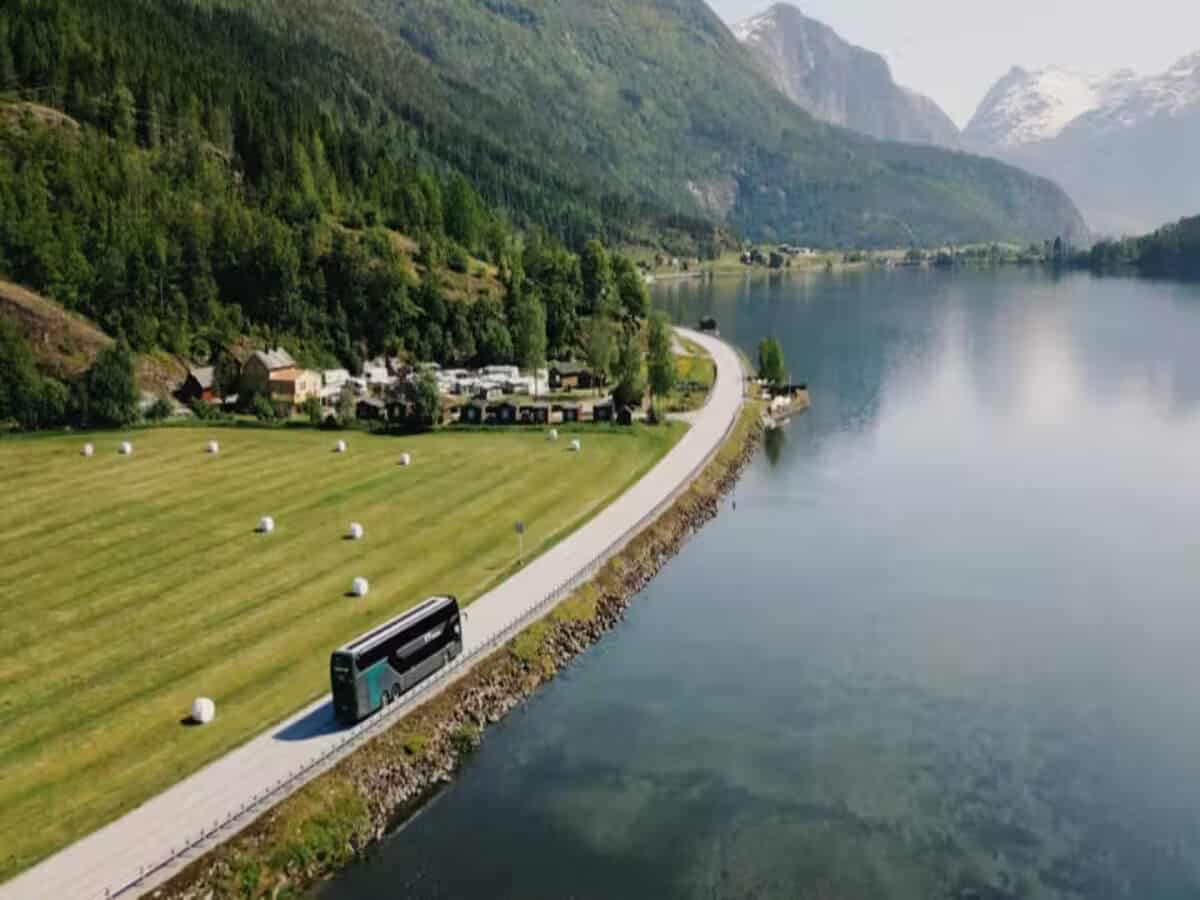
Norway becomes part of the 2026 tourism boom in Europe because of longer stays and slow travel, contributing to tourism growth above 4%. Norway becomes more prominent in the 2026 tourism race in Europe as international tourist arrivals in Norway increase by 4.7%, from January to June, based on the UN Tourism statistic mentioned previously. This trend makes Norway one of the European trends that change the way of measuring success in tourism. Portugal, Spain, Italy, Ireland, France, and Finland are other countries in Europe that are pursuing tourism growth in the form of longer stays, slow travel, exploring different regions, and increased expenditures. They are not anymore solely relying on the number of tourists who visit their countries, but are now focusing on staying with them longer.
Norway Turns A 4.7 Percent Rise Into A Wider Tourism Growth Story
Norway’s first-half performance shows how strongly international demand is supporting its tourism economy.
January delivered a particularly strong start. Commercial accommodation establishments recorded around 2.1 million guest nights, while foreign guest nights reached roughly 679,000. That represented an increase of around 12% compared with January 2025.
Denmark stood out. Danish visitors generated about 110,000 guest nights, roughly 28% higher year on year. Britain and Sweden also remained important markets.
Advertisement
Advertisement
Foreign demand continued through the following months.
In March, foreign hotel guest nights rose by almost 10%. April produced another increase of around 5.9% in foreign hotel nights. In May, total hotel stays weakened, but international hotel nights still climbed by approximately 6.7%.
Advertisement
Advertisement
June brought more than 2.9 million hotel guest nights, setting another monthly record.
The overall picture is clear. Norway is not relying only on summer visitors. Foreign travellers are supporting tourism through winter, spring and early summer.
Advertisement
Advertisement
Europe’s Tourism Growth Is Moving Beyond Simple Arrival Numbers
| Country | 2026 tourism signal | Main strategy | Strongest focus |
|---|---|---|---|
| Norway | International arrivals up 4.7% in H1 ( UN Tourism) | Four-season expansion | Arctic travel, winter, food, nature |
| Portugal | Overnight stays targeted to grow 2.5% to 3.5% | Higher visitor value | Culture, wine, surfing, longer stays |
| Spain | Strong international demand | Slow travel and dispersal | Inland regions, nature, gastronomy |
| Italy | Q1 airport arrivals about 7% higher | Regional promotion | Villages, culture, food, coast |
| Ireland | Major overseas growth drive | Longer journeys | Slow travel, regions, culinary tourism |
| France | H1 tourism receipts about 7% higher | Higher spending | Long-haul visitors, regional travel |
| Finland | Strong Arctic tourism push | Premium winter travel | Northern Lights, wellness, design |
The important shift is not difficult to see. Europe is increasingly looking at overnight stays, visitor spending, regional distribution and seasonality, not just headline arrival totals.
Norway Pushes Winter Tourism Into The Mainstream
Winter is becoming one of Norway’s strongest tourism weapons.
For years, the country was marketed internationally through fjords, scenic drives, summer cruises and hiking. That image remains powerful, but Norway is now giving travellers reasons to arrive in colder months.
Skiing, Northern Lights viewing, dog sledding, whale watching, snowmobiling and Arctic excursions are becoming central to the tourism offer.
Advertisement
Advertisement
Tromsø represents this change clearly.
The northern city has expanded its international profile through direct air links with several European cities. That connectivity gives travellers easier access to Arctic Norway and reduces dependence on domestic connections.
This matters because tourism businesses can operate for more months.
Hotels can fill rooms in winter. Restaurants can serve international guests outside summer. Guides and transport companies can build longer operating seasons.
Norway is therefore turning seasonality from a weakness into a competitive advantage.
Longer Stays Are Becoming Part Of Norway’s Growth Model
Norway is also widening the reasons why tourists should remain in the country.
Advertisement
Advertisement
Nature alone can attract travellers. But culture, food, mythology, heritage and road trips can persuade them to extend their journeys.
Regional cuisine is becoming a stronger tourism product. Local experiences allow smaller destinations to benefit from spending that might otherwise remain concentrated in Oslo, Bergen or famous fjord areas.
Family road trips are another important tool.
Visitors travelling slowly between destinations may stay in several towns instead of making short visits to a few headline attractions. That creates more demand for accommodation, restaurants, shops and local activities.
The tourism strategy therefore becomes less about moving large crowds quickly and more about encouraging deeper travel.
That idea also connects Norway with several other European countries in 2026.
Advertisement
Advertisement
Portugal Focuses On Value Rather Than Volume
Portugal is one of the clearest examples of a country trying to make tourism earnings grow faster than visitor numbers.
Its 2026 tourism outlook targets revenue growth of more than 6%, while overnight stays are expected to increase by around 2.5% to 3.5%.
That gap tells an important story.
Portugal wants higher spending per visitor.
The country is promoting gastronomy, wine tourism, surfing, literary travel, contemporary art and cultural experiences. These products give travellers more reasons to spend money beyond accommodation and transport.
Portugal is also targeting long-haul markets such as the United States, Canada, Mexico, South Korea, Japan and Australia.
Advertisement
Advertisement
Traditional European markets remain important, but growth from distant markets can support longer stays because long-haul travellers often build larger itineraries around their journeys.
Portugal is therefore competing for both time and money.
Portugal Uses Global Exposure To Extend Its Tourism Reach
Portugal’s strategy also connects tourism with international events.
Its 2026 campaign around the FIFA World Cup used global sporting attention to showcase the country’s food, culture, landscapes and coastline.
This creates an opportunity to reach audiences that may not be actively searching for Portugal as a holiday destination.
Domestic tourism is being encouraged as well.
Advertisement
Advertisement
That matters because domestic visitors can help support regional businesses during periods when international demand is weaker.
Portugal’s model is increasingly based on balanced tourism.
More nights. Better spending. Wider regional distribution.
That makes it a strong comparison with Norway.
Spain Turns Slow Travel Into A National Opportunity
Spain already attracts huge visitor numbers, so its challenge is different.
It needs to manage tourism pressure while continuing to generate economic growth.
Advertisement
Advertisement
Slow travel offers one solution.
Spain is encouraging tourists to look beyond famous beaches and major city centres. Inland destinations, rural communities, gastronomy, cultural heritage and nature are receiving more attention.
This helps spread visitor demand.
It also gives tourists reasons to stay longer.
A traveller who spends several days exploring local food, villages or countryside can create more local economic value than someone making a short stop at an overcrowded landmark.
Spain’s tourism strategy therefore focuses increasingly on redistributing demand rather than simply expanding it.
Advertisement
Advertisement
Spain Uses Niche Experiences To Pull Visitors Inland
Special-interest tourism is also helping Spain diversify.
Astronomy tourism linked to the 2026 solar eclipse created opportunities for destinations away from the traditional coastal hotspots.
This fits perfectly with a slow-travel strategy.
Travellers can build journeys around natural events, local landscapes and regional culture.
Spain is also increasing promotion in long-haul markets such as India, China, Japan, South Korea, the United States and Canada.
That broadens the tourism base while creating opportunities for longer trips.
Advertisement
Advertisement
The central goal is clear.
Spain wants more visitors to travel beyond the obvious places.
Italy Uses Strong Demand To Spread Tourism Benefits
Italy entered 2026 with substantial international demand.
Airport arrivals during the first quarter were around 7% higher, giving the country a strong base for wider tourism growth.
Yet Italy is also trying to move travellers beyond Rome, Venice and Florence.
Regional destinations are receiving more attention.
Advertisement
Advertisement
Sicily, Sardinia and Calabria are being promoted alongside villages, walking routes, coastal areas, food and cultural experiences.
This strategy can support smaller communities while reducing pressure on established hotspots.
Germany remains a major source market and continues to generate strong accommodation demand and spending.
Italy’s broader tourism model is increasingly built around converting popularity into economic depth.
More regions.
More experiences.
Advertisement
Advertisement
More spending.
Ireland Wants Visitors To Add Another Day
Ireland is using one of Europe’s clearest slow-travel messages.
Its tourism strategy encourages visitors to stay longer and move beyond major gateways.
The Ireland Unrushed approach promotes deeper travel and less hurried itineraries.
Another message asks tourists to add one more day, one more region and one more experience.
The economic logic is powerful.
Advertisement
Advertisement
One more night can mean another hotel booking.
One more region can create spending in restaurants, attractions, transport services and shops that might otherwise miss out.
Ireland is also strengthening promotion in Britain, the United States, mainland Europe, Canada, India and China.
Its tourism strategy therefore combines international reach with longer stays and wider regional distribution.
Ireland Links Tourism Growth With Food And Connectivity
Transport connections are also central.
Aviation and ferry partnerships help strengthen access from key source markets.
Advertisement
Advertisement
Food tourism is receiving greater attention too.
That allows Ireland to add another layer to its traditional image of scenery, heritage and hospitality.
The result is a more diversified tourism proposition.
Travellers can explore regions slowly, stay longer and spend across a wider range of businesses.
This brings Ireland close to Norway and Portugal in terms of tourism philosophy.
All three countries are trying to extract greater value from each journey.
Advertisement
Advertisement
France Converts Global Popularity Into Higher Spending
France remains one of Europe’s tourism heavyweights, but its 2026 story is increasingly about receipts.
International tourism revenue reached approximately €40 billion during the first half of 2026, rising around 7% year on year.
This is significant because spending tells a deeper story than arrivals alone.
Long-haul visitors from markets such as Mexico, Canada and the United States remain important.
France is also encouraging travellers to explore beyond Paris.
Normandy, Brittany, Bordeaux, Burgundy, Champagne, Provence, Lyon, the Loire Valley and the Côte d’Azur all form part of its broader regional tourism offering.
Advertisement
Advertisement
By combining Paris with regional destinations, travellers can stay longer.
That creates more overnight stays and wider economic benefits.
Finland Builds A Premium Arctic Tourism Economy
Finland provides the closest northern comparison with Norway.
- Both countries are turning winter into a high-value tourism season.
- Finland is promoting Northern Lights experiences, luxury wilderness stays, saunas, wellness, design and snow-based travel.
- Premium accommodation plays a particularly important role.
- Travellers increasingly want complete Arctic experiences rather than a single activity.
- They may combine glass-roof lodging, local food, wellness, nature excursions and cultural attractions.
- Finland also uses Helsinki’s design and cultural appeal to complement Lapland.
- That encourages multi-stop itineraries.
- The result is longer journeys and higher spending.
Europe’s Real Tourism Race Is Now About Time
The strongest connection between Norway, Portugal, Spain, Italy, Ireland, France and Finland is not visitor volume.
It is time spent in destination.
- Norway wants tourists throughout the year.
- Portugal wants higher spending.
- Spain wants slower travel.
- Italy wants regional exploration.
- Ireland wants additional days.
- France wants visitors beyond Paris.
- Finland wants travellers to combine Arctic and cultural experiences.
All these strategies can generate stronger local economies without depending entirely on ever-larger tourist crowds.
Advertisement
Advertisement
Norway’s 4.7 Percent Growth Reflects A Wider European Shift
Norway’s 4.7% increase in international tourist arrivals from January to June 2026 is therefore more than a single tourism statistic.
It reflects a larger European transformation. Tourism growth is increasingly being built around longer stays, slower journeys, stronger regional spending, improved seasonality and higher visitor value.
Portugal is pursuing revenue growth above overnight-stay growth. Spain is pushing travellers inland. Italy is promoting regional tourism. Ireland is encouraging slower journeys. France is driving tourism receipts higher. Finland is building premium winter demand.
Europe’s tourism race is changing. The strongest destinations are no longer asking only how many people arrive. They are asking how long travellers remain, how widely they explore and how much value each journey creates.
Advertisement
