
Colombia Travel: Los Llanos and Tayrona Lead a New Wave of Nature Tourism

Published
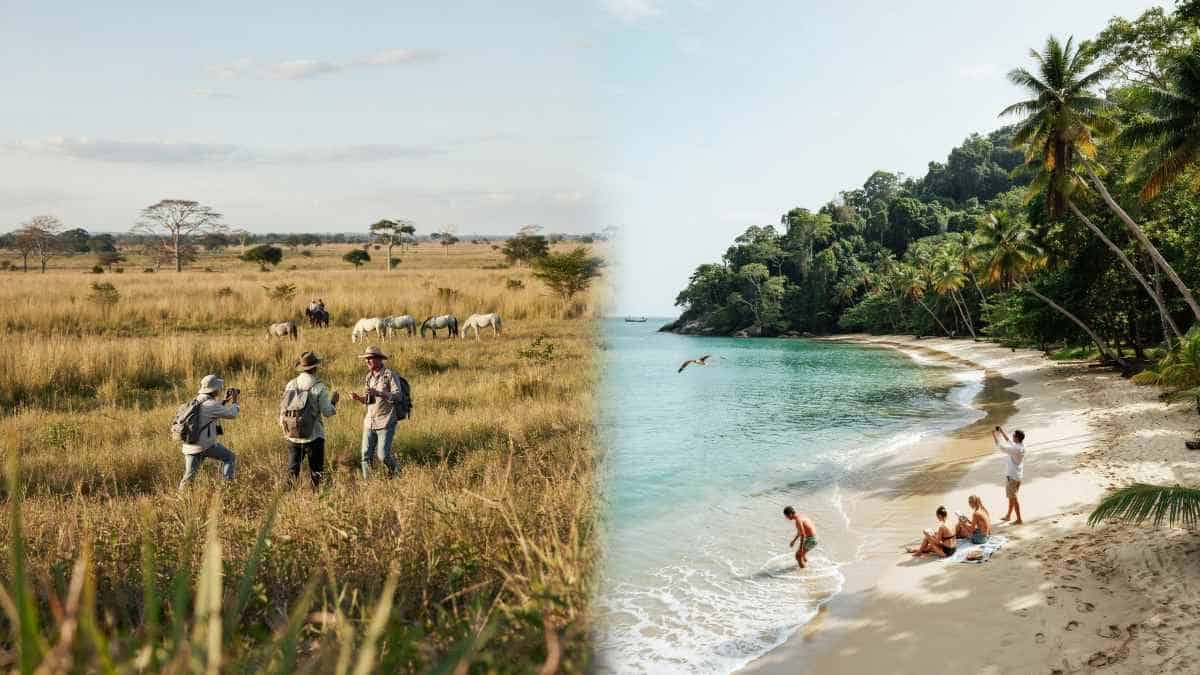
Colombia, Los Llanos, Tayrona, Santa Marta, and Bogota represent just one side of a broader development of tourism occurring in the country, as tourists are looking for opportunities to explore wildlife, nature, and culture, alongside the traditional city and beach holidays. The Los Llanos region is attracting tourists who wish to enjoy the experience of wildlife, while the Tayrona region on the Caribbean coast is developing a nature-based offer. The geographic variety of Colombia makes multi-destination travel even more appropriate for the country. The tourists are able to enjoy the urban cultural experience in Bogota, the Caribbean experience in the region of Cartagena and Santa Marta, the wildlife adventure in the Los Llanos region, and the nature adventure on the north coast of the country. The new trend also shows the changing age structure of international tourists visiting Colombia. As illustrated in the graphs provided by the Colombian Association of Travel and Tourism Agencies (ANATO), over 65 per cent of international tourists are aged between 18 and 49.
Los Llanos Opens a Wildlife Route
Los Llanos, Colombia’s vast Eastern Plains, offers a very different travel experience from the country’s Caribbean cities and Andean centres. Its open savannahs, wetlands, rivers and cattle-ranching landscapes create habitats for a wide range of wildlife.
Advertisement
Advertisement
The region is particularly suited to wildlife watching. Depending on location and season, visitors can encounter capybaras, giant anteaters, caimans, anacondas, monkeys and numerous bird species during guided excursions.
Safari-style travel in Los Llanos typically involves specialist guides and small-group excursions using vehicles, boats or walking routes. The landscape is open in many areas, allowing visitors to cover large distances while searching for wildlife.
Advertisement
Advertisement
This makes the Eastern Plains especially attractive to travellers who want a nature experience that differs from rainforest trekking. Instead of dense vegetation, the defining feature is the expansive savannah, where animals can sometimes be observed across open landscapes.
Wildlife Travel Connects With Local Life
Nature tourism in Los Llanos also provides access to rural culture. Cattle ranching has played an important role in the region’s identity, and some tourism experiences introduce visitors to llanero traditions, horsemanship, music and regional food.
Advertisement
Advertisement
The combination of wildlife and local culture creates a more complete destination experience. Travellers can spend part of a journey searching for animals and birds before learning about the people and livelihoods connected with the plains.
For international visitors, this can turn a wildlife excursion into a broader cultural itinerary. It also spreads tourism activity beyond Colombia’s most recognisable urban destinations.
Tayrona Builds a Nature-Focused Caribbean Experience
Tayrona National Natural Park, near Santa Marta on Colombia’s Caribbean coast, provides another major nature tourism route. The park combines tropical forest, mountains and Caribbean beaches, creating opportunities for hiking and coastal exploration.
The landscape changes quickly as trails move from forested areas towards beaches and coastal viewpoints. This combination allows travellers to experience both terrestrial and marine environments during the same visit.
Tayrona is also closely connected with the cultural heritage of the Sierra Nevada de Santa Marta. The wider region is home to Indigenous communities and landscapes with deep cultural significance.
Travel around the park therefore requires attention to environmental and community considerations. Visitors should follow local access rules, stay on designated routes and respect protected areas and cultural sites.
Advertisement
Advertisement
Regenerative Tourism Adds a Local Focus
The growing interest in regenerative tourism places greater attention on how travel can support destinations rather than simply consume their attractions.
Around the Tayrona region, this approach can include locally operated accommodation, community-led experiences, conservation initiatives and purchases from local businesses.
For travellers, choosing locally based guides and services can help connect tourism spending with the communities surrounding major natural attractions. Responsible behaviour also matters in protected landscapes, particularly where ecosystems face pressure from visitor numbers.
The result is a tourism model that combines the Caribbean coast’s established appeal with more environmentally and culturally conscious travel experiences.
Younger Travellers Seek More Experiences
Colombia’s international tourism market is also being shaped by changing traveller preferences. ANATO’s demographic data showing more than 65% of international visitors aged between 18 and 49 points towards a large audience interested in active and experience-led travel.
This age group covers a broad range of travel styles, from independent city breaks and food tourism to adventure, wildlife and cultural journeys. It does not represent one uniform travel market.
Advertisement
Advertisement
However, the growth of experiential tourism gives destinations outside the country’s traditional gateways more opportunities to attract international visitors.
A traveller might now combine Bogotá’s museums and food scene with Los Llanos wildlife, followed by Caribbean travel around Santa Marta and Tayrona.
Multi-Destination Itineraries Gain Importance
Colombia’s internal diversity makes it possible to build journeys around several distinct travel themes.
A multi-destination itinerary could include:
- Bogotá: Museums, gastronomy, historic districts and urban culture.
- Los Llanos: Wildlife safaris, birdwatching and llanero culture.
- Santa Marta: Caribbean coastal travel and access to Tayrona.
- Tayrona: Hiking, beaches and protected tropical landscapes.
- Cartagena: Colonial architecture, Caribbean culture and food experiences.
This approach gives travellers more than a single destination experience. It also distributes visitor activity across different regions, allowing nature, culture, food and urban tourism to complement one another.
Colombia’s Nature Tourism Offer Broadens
Los Llanos and Tayrona are two cases where nature-based tourism in Colombia is evident. The current tourism experience in Colombia includes urban areas in the Andes, historic places on the Caribbean coast, up to the savanna grassland areas and wildlife sanctuaries. Tourists searching for an adventure experience through tourism will find a route through Colombia going beyond city tourism by combining the elements of nature, culture, the coastline, and the communities. In Los Llanos, there is wildlife and open space, and in Tayrona, there are the Caribbean forests and mountain landscapes.
Advertisement
