

Barcelona Stands Alongside Canary Islands And More Places As Spain Nears 100 Million Visitors Mark To End Heavy Overtourism

Published
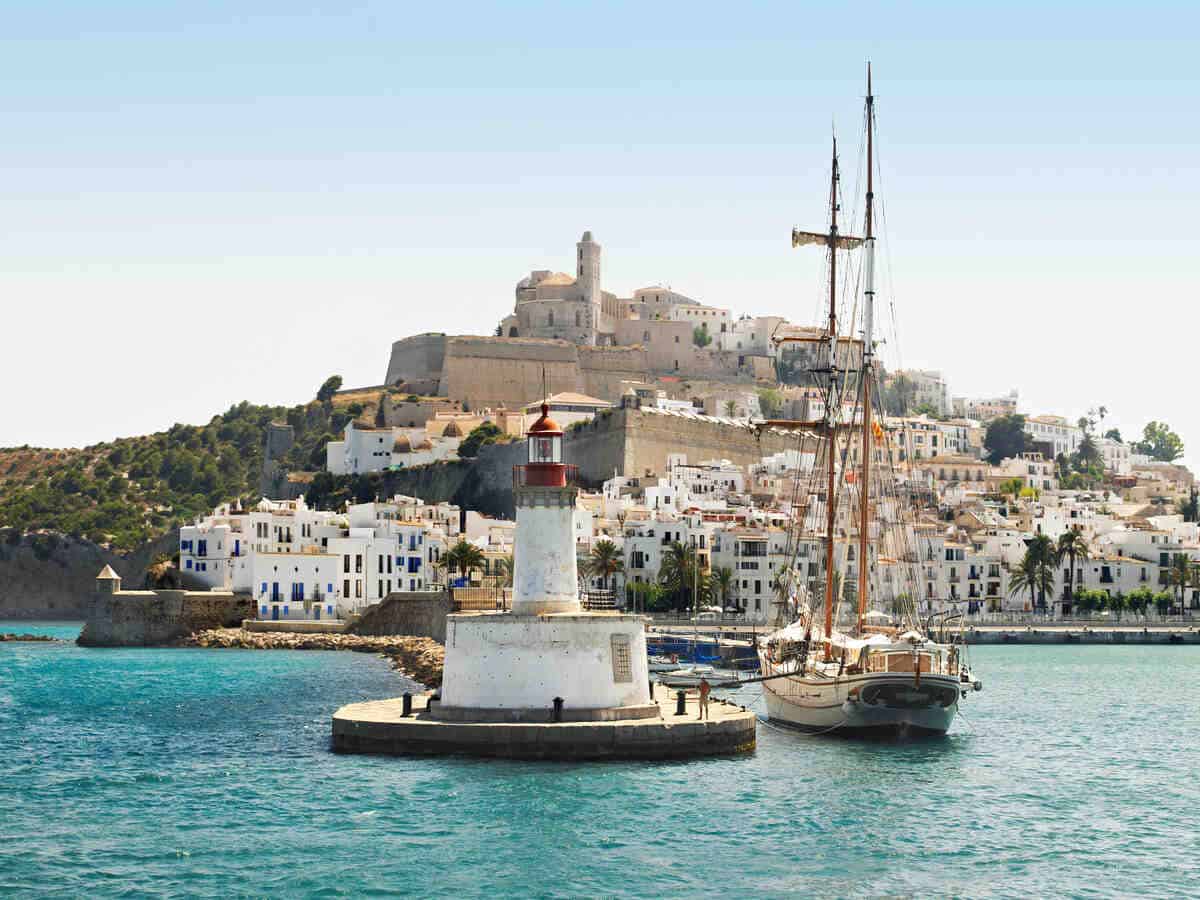
With Spain on track to receive 100 million tourists, Barcelona and vital territories have joined forces to curb the excessive presence of tourists. With Spain on course for an incredible number of almost 100 million tourists in one year, a truly transformative phenomenon has been sweeping through the Iberian Peninsula and the archipelagos surrounding it. The traditional growth story of constant arrivals has finally faced up to the physical, social, and environmental limits of host destinations. What used to be considered a driver of economic growth has progressively become a challenge for resources.
In response, major travel destinations across the nation—anchored by Barcelona, the Canary Islands, the Balearics, and coastal Andalusia—are aligning in an effort to overhaul the national travel model. The overarching goal is clear: dismantle the historic obsession with raw headcount, establish hard regulatory limits, and replace mass tourism with a high-value framework focused on resident quality of life, local cultural preservation, and environmental endurance.
Advertisement
Advertisement
The Boiling Point: How Unchecked Tourism Impacts Spain
The friction between mass travel and local living standards stems from a severe structural imbalance. When a nation of 48 million residents hosts an additional 100 million transient visitors annually, national infrastructure, public utilities, and basic housing markets face immense pressure.
                                 THE TOURISM PARADOX

   [ Massive Influx of Visitors ]                [ Local Infrastructure Capacity ]
                │                                                │
                ▼                                                ▼
   ┌──────────────────────────┐                   ┌──────────────────────────┐
   │ High Volume Foot Traffic │                   │  Finite Resource Limits  │
   └────────────┬─────────────┘                   └────────────┬─────────────┘
                │                                                │
                └───────────────────────┬────────────────────────┘
                                        │
                                        ▼
   ┌─────────────────────────────────────────────────────────────────────────┐
   │                            CORE SYSTEM IMPACTS                          │
   ├─────────────────────────┬─────────────────────────┬─────────────────────┤
   │    HOUSING SQUEEZE      │    RESOURCE DEPLETION   │   COMMUNITY EROSION │
   │ Short-term lets remove  │ Water consumption soars │ Essential shops drop│
   │ long-term residential   │ during multi-year       │ out; neighborhoods  │
   │ inventory from locals   │ drought periods         │ turn into tourist   │
   │                         │                         │ enclaves            │
   └─────────────────────────┴─────────────────────────┴─────────────────────┘
The impacts of overtourism in Spain manifest across three primary domains:
Advertisement
Advertisement
- Housing Dislocation: The rapid proliferation of short-term vacation rentals transformed residential housing units into de facto hotel suites. Landlords, seeking higher yields, systematically shifted long-term rental leases over to short-term holiday lets. This artificial inventory squeeze pushed rental prices up by more than 20% in high-demand zones, effectively pricing out nurses, teachers, service workers, and young families.
- Severe Resource Strain: Spain faces recurring, multi-year droughts that hit southern and insular territories hard. However, transient tourist populations consume significantly more water per capita than long-term residents—driven by hotel laundry cycles, landscaping maintenance, and resort amenities. During peak dry seasons, local municipalities face strict residential water caps while resort corridors remain fully supplied.
- Socio-Cultural Displacement: Known locally as the “Disneyfication” of historic districts, everyday community services—such as neighborhood markets, bakeries, and traditional repair shops—are gradually replaced by tourist-oriented retail outlets, luggage storage hubs, and souvenir stalls. Neighborhood identity breaks down as long-time residents migrate away from saturated city centers.
Regional Breakdown: The Frontlines of Spain’s Overtourism Struggle
The pressure of handling nearly 100 million international arrivals is not evenly distributed across the country. Instead, it concentrates within specific geographic hubs, creating severe local bottlenecks.
1. Barcelona (Catalonia)
Barcelona remains the central urban battleground against uncontrolled visitor numbers. As Europe’s busiest cruise port, the city frequently processes tens of thousands of day-trippers simultaneously. These massive single-day arrivals saturate historic enclaves like the Gothic Quarter, El Born, and the famous La Rambla promenade.
Advertisement
Advertisement
In response, local municipal leadership has taken bold policy steps, including announcing a comprehensive phase-out of all legal tourist apartment licenses by 2028 to return more than 10,000 properties back to the long-term residential housing market.
2. The Canary Islands (Tenerife, Gran Canaria, Lanzarote)
Located off the northwestern coast of Africa, the fragile volcanic archipelagos of the Canary Islands face physical constraints. Small geographic footprints combined with limited freshwater reserves mean that high-density tourism directly threatens delicate ecosystems.
Advertisement
Advertisement
Islands like Tenerife and Gran Canaria rely on energy-intensive desalination plants to support hotel demands. Meanwhile, Lanzarote declared itself a “saturated territory,” openly seeking to limit lower-budget mass-market arrivals to protect its natural landscape and reduce resource overhead.
3. The Balearic Islands (Mallorca, Ibiza, Menorca)
In the Mediterranean, the Balearic Islands experience dramatic seasonal population explosions. Mallorca’s capital, Palma, sees its density skyrocket during summer months, putting severe pressure on municipal waste management and road networks.
On the island of Ibiza, real estate prices reached such extreme levels that seasonal hospitality staff, health workers, and civil servants struggled to find affordable accommodation, leading to widespread housing shortages during peak operations.
4. Andalusia (Málaga, Seville, Granada)
Southern Spain’s cultural centers are grappling with rapid urban changes driven by vacation lets and remote workers. Málaga, once a transit point, transformed into a major tourism hub, sparking a 20%+ spike in local residential rents.
Advertisement
Advertisement
In Seville, dense foot traffic in the historic Santa Cruz district prompted city officials to restrict new tourist apartment registrations in over-saturated zip codes.
5. The Basque Country (San Sebastián)
Famed for its world-class culinary scene and urban beaches, San Sebastián experiences intense summer density within its historic Old Town (Parte Vieja). To prevent local culture from being overwhelmed by visitor facilities, the city introduced strict moratoriums on new hotel construction and restricted short-term rental approvals.
Quantitative Breakdown: Source Markets & Regional Pressure Points
To understand how the influx of nearly 100 million visitors impacts Spain, it helps to examine where these arrivals originate and where they concentrate.
| Source Nation / Region | Key Destination Hubs | Major Pressure Points | Impacted Sectors |
| United Kingdom | Balearic Islands, Canary Islands, Costa del Sol | Massive seasonal volume spikes; short-term rental market pressure | Housing supply, municipal water, coastal infrastructure |
| France | Catalonia, Basque Country, Valencia | Cross-border vehicle traffic; weekend urban crowding | Highway capacity, historic city centers, public transit |
| Germany | Mallorca, Gran Canaria, Costa Blanca | High property acquisition rate; long-term residential conversion | Real estate affordability, local rental supply |
| Italy | Barcelona, Madrid | Concentrated city-center foot traffic | Urban housing stock, everyday commercial services |
| Nordic Countries | Canary Islands, Costa del Sol | Year-round long-stay tourism | Coastal water reserves, localized healthcare systems |
Public Sentiment and the Policy Shift: Moving to “Quality Over Quantity”
The public reaction to unchecked tourism growth has shifted from isolated neighborhood complaints into structured civic movements. Protests across the Canary Islands, Mallorca, Barcelona, and Málaga signaled that the “social license” for unlimited tourism expansion has expired.
Civic groups are not demanding an end to all travel, but rather a transition to a sustainable model that balances resident needs with visitor experiences.
SPAIN’S TOURISM RESET
FROM VISITOR VOLUME TO DESTINATION VALUE
TOURISM VOLUME DESTINATION VALUE
│ ▲
│ │
▼ │
┌───────────────┐ ┌───────────────┐
│ RECORD │ │ HIGHER │
│ ARRIVALS │ │ VALUE │
└───────┬───────┘ └───────▲───────┘
│ │
▼ │
┌───────────────┐ ┌───────────────┐
│ PEAK-SEASON │ │ YEAR-ROUND │
│ CROWDING │ ───────► │ BALANCE │
└───────┬───────┘ └───────▲───────┘
│ │
▼ │
┌───────────────┐ ┌───────────────┐
│ SHORT-TERM │ │ TIGHTER │
│ RENTAL GROWTH │ │ REGULATION │
└───────┬───────┘ └───────▲───────┘
│ │
▼ │
┌───────────────┐ ┌───────────────┐
│ DESTINATION │ │ RESIDENT │
│ PRESSURE │ │ WELLBEING │
└───────┬───────┘ └───────▲───────┘
│ │
└───────────► POLICY SHIFT ───────────┘
MORE VISITORS BETTER BALANCE
↓ ↑
HEADCOUNT SUCCESS ───────► VALUE-LED SUCCESS
ARRIVAL GROWTH ───────► VISITOR SPENDING
SEASONAL SURGES ───────► YEAR-ROUND TOURISM
RENTAL PRESSURE ───────► HOUSING PROTECTION
TOURIST CONCENTRATION ───────► VISITOR DISPERSAL
DESTINATION STRAIN ───────► RESIDENT BENEFITS
Advertisement
Advertisement
National hospitality organizations and regional policymaker groups are aligning around three key pillars to restructure Spanish tourism:
- Decoupling Economic Value from Headcount: Economic data shows that visitor spending growth can outperform arrival volume growth. Policies now prioritize encouraging higher tourist spend, longer stays, and off-peak visits rather than chasing raw volume records.
- Housing Market Recovery: Local and regional governments are deploying tax policies, strict licensing caps, and active enforcement against unlicensed vacation rentals to return residential inventory back to local workers.
- Regional Redistribution (“España Vaciada”): To relieve pressure on saturated coastal hubs like Barcelona, Ibiza, and Tenerife, national promotion strategies are encouraging travel toward lesser-visited inland provinces such as Castilla y León, Extremadura, and Aragon. This helps distribute economic benefits while protecting over-traveled hotspots.
As Spain approaches 100 million tourists per year, Barcelona, the Canary Islands, and critical regions join forces in addressing their problem of overtourism.
The experience of Spain’s attempts to combat overtourism through regulation becomes a prime case study for any popular destination around the globe. Through its resolve to support Barcelona, the Canary Islands, and its other coastal regions, the country sets a new precedent whereby tourism needs to promote well-being of local people.
Frequently Asked Questions
Why is Spain moving away from focusing only on tourist numbers?
Spain’s tourism debate is increasingly focused on generating greater economic value while protecting housing, infrastructure, natural resources and residents’ quality of life. The article presents this as a transition from a volume-driven model towards more balanced, value-led tourism.
Which Spanish destinations are facing the greatest overtourism pressure?
The article highlights Barcelona, the Canary Islands, Mallorca and the wider Balearics, Málaga and other parts of Andalusia, and San Sebastián as destinations confronting different forms of tourism pressure.
How is overtourism connected to Spain’s housing problem?
The article links tourism pressure with the conversion of residential properties into short-term holiday accommodation. In heavily visited areas, this can reduce homes available for longer-term residents and intensify competition for housing.
Advertisement
Advertisement
Is Spain trying to stop tourists from visiting?
No. The article describes a proposed shift towards quality over quantity, rather than ending tourism. The emphasis is on increasing tourism value, managing accommodation more effectively, encouraging off-peak travel and distributing visitors beyond heavily pressured destinations.
Could lesser-known Spanish destinations benefit from the tourism reset?
Potentially. The article identifies greater geographical redistribution as part of the emerging approach, pointing towards lesser-visited inland areas such as Castilla y León, Extremadura and Aragon as alternatives to heavily visited coastal and island destinations.
What could Spain’s changing tourism model mean for future travellers?
Travellers could increasingly encounter tighter holiday-rental rules, greater destination-management measures and stronger encouragement to visit outside peak periods or explore less congested regions. The broader objective described in the article is to balance visitor experiences with the long-term interests of local communities.
Advertisement
